THE ADVENTURE COLLECTIVE® · Independent discovery and booking for outdoor travel
A five-day, camp-based trek across the narrow volcanic ridge separating Lakes Chamo and Abaya. Hike rainforest, springs and savannah while watching hippos, zebras and 350 bird species from lakeside camps.
A five-day, camp-based trek across the narrow volcanic ridge separating Lakes Chamo and Abaya. Hike rainforest, springs and savannah while watching hippos, zebras and 350 bird species from lakeside camps.
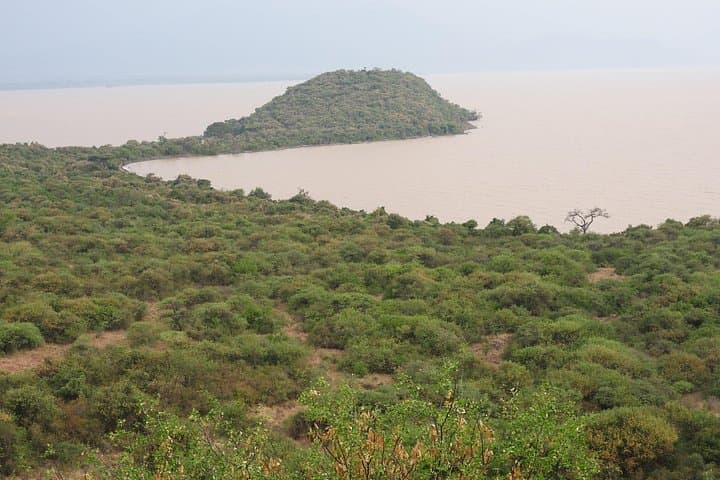
Dawn breaks over two Rift Valley lakes and the ridge between them — the so-called Bridge of God — as you step from Arba Minch into a landscape where rainforest gives way to open savannah and the air smells of wet earth and smoke from distant cooking fires.
Verified experiences and guided adventures in the surrounding area.
Operated by Gamo Travel · Arba Minch, Southern Nations, Nationalities, and Peoples' Region
Dawn breaks over two Rift Valley lakes and the ridge between them — the so-called Bridge of God — as you step from Arba Minch into a landscape where rainforest gives way to open savannah and the air smells of wet earth and smoke from distant cooking fires.
The route traces a short, steep spine of volcanic uplands carved by the East African Rift. Geology here reads like a field guide: basalt outcrops, freshwater springs fed by highland seepage, and terraces that fall toward Lake Chamo and Lake Abaya. Culturally, this corridor sits within the Gamo and Gofa areas; fishermen, farmers and scouts share stewardship of a park set aside in the 1970s to protect its rare herds and 350-odd bird species.
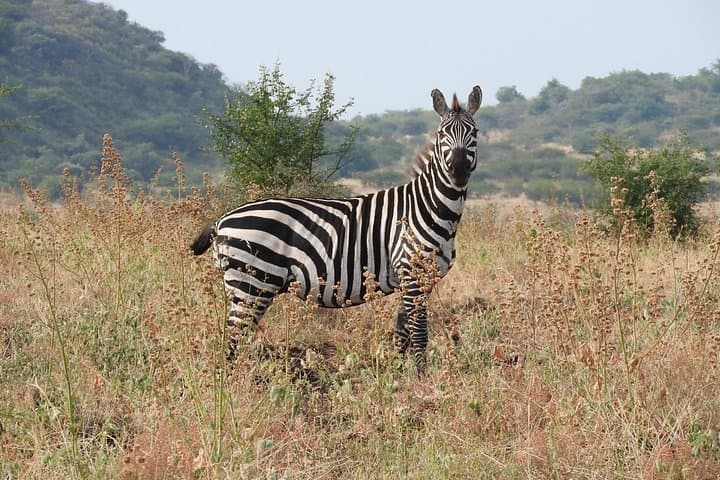
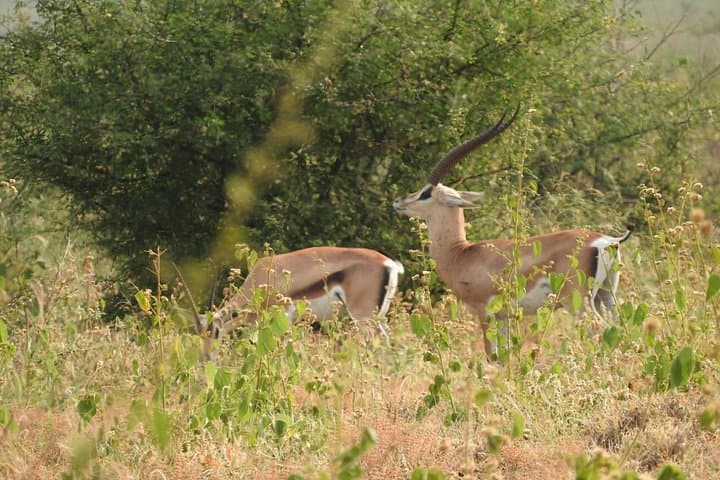
On trail you’ll pass dense riverine forest where Columbus monkeys and baboons move like living punctuation, then spill onto golden grasslands watched over by zebras, Swayne’s hartebeest and grazing gazelles. Lakeshore camps put you close enough to hear hippos breathing in the dark and to watch crocodiles sunning on sandbanks at first light; they demand respect and distance.
Practical guidance: expect 5 days of mostly non-technical hiking, daily distances typically 6–12 km with long periods on uneven ground and rocky ridgelines. Camps and a cook are included, but bring a sturdy pair of hiking boots, sun protection and a high-capacity water system. Daylight hours are best for wildlife viewing; avoid lakes at dusk. Travel light, carry layers for cool mornings, and move quietly — the wildlife notices.
This trek is an immersive blend of geology, wildlife and local life: adventurous, straightforward, and utterly tied to the land.
The route is non-technical but includes long walking days on uneven terrain; moderate fitness and comfortable hiking experience are recommended.
Yes — national park fees, a local scout and transport from Arba Minch are included in the itinerary.
You may encounter hippos, crocodiles and large ungulates; these are rarely aggressive if given space — always follow scout and guide instructions around water.
Camping each night by the lakes or in savannah camps with a personal cook and basic camping equipment supplied.
Gamo Travel operates guided outdoor trips and adventures with an emphasis on safety, stewardship, and memorable experiences.
Dawn breaks over two Rift Valley lakes and the ridge between them — the so-called Bridge of God — as you step from Arba Minch into a landscape where rainforest gives way to open savannah and the air smells of wet earth and smoke from distant cooking fires.
Dawn breaks over two Rift Valley lakes and the ridge between them — the so-called Bridge of God — as you step from Arba Minch into a landscape where rainforest gives way to open savannah and the air smells of wet earth and smoke from distant cooking fires.
The route traces a short, steep spine of volcanic uplands carved by the East African Rift. Geology here reads like a field guide: basalt outcrops, freshwater springs fed by highland seepage, and terraces that fall toward Lake Chamo and Lake Abaya. Culturally, this corridor sits within the Gamo and Gofa areas; fishermen, farmers and scouts share stewardship of a park set aside in the 1970s to protect its rare herds and 350-odd bird species.
On trail you’ll pass dense riverine forest where Columbus monkeys and baboons move like living punctuation, then spill onto golden grasslands watched over by zebras, Swayne’s hartebeest and grazing gazelles. Lakeshore camps put you close enough to hear hippos breathing in the dark and to watch crocodiles sunning on sandbanks at first light; they demand respect and distance.
Practical guidance: expect 5 days of mostly non-technical hiking, daily distances typically 6–12 km with long periods on uneven ground and rocky ridgelines. Camps and a cook are included, but bring a sturdy pair of hiking boots, sun protection and a high-capacity water system. Daylight hours are best for wildlife viewing; avoid lakes at dusk. Travel light, carry layers for cool mornings, and move quietly — the wildlife notices.
This trek is an immersive blend of geology, wildlife and local life: adventurous, straightforward, and utterly tied to the land.
