THE ADVENTURE COLLECTIVE® · Independent discovery and booking for outdoor travel

Explore Brighton’s seaside energy and storied architecture on a private two‑hour walking tour. From the Palace Pier’s arcades to the Royal Pavilion’s domes and The Lanes’ tight alleys, this guided route pairs local history with practical stops for photos and coffee.
Explore Brighton’s seaside energy and storied architecture on a private two‑hour walking tour. From the Palace Pier’s arcades to the Royal Pavilion’s domes and The Lanes’ tight alleys, this guided route pairs local history with practical stops for photos and coffee.
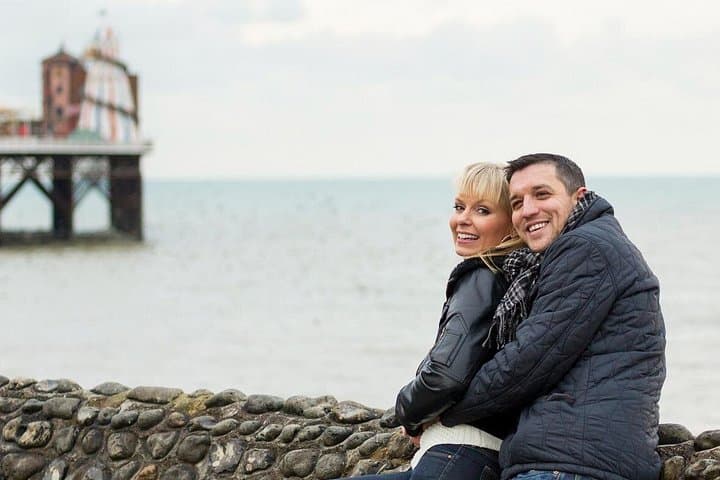
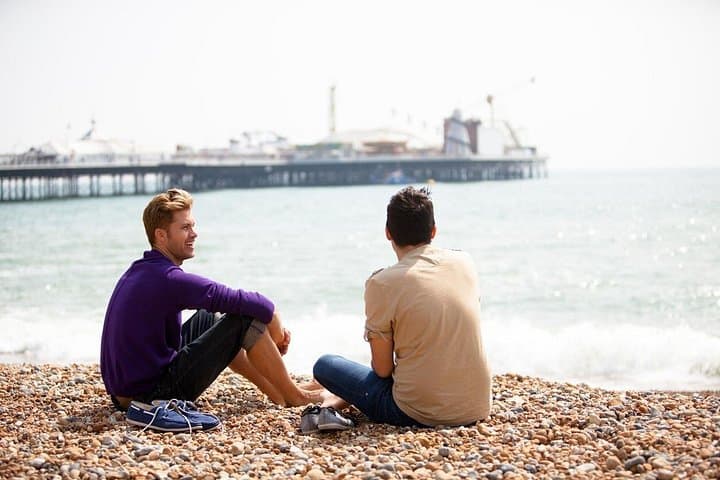
You step onto the pebble promenade with the sea pushing a cool, salty air toward you — Brighton Palace Pier jutting into a restless English Channel that dares you to wander its length. In two hours a local guide threads you through the city’s contrasts: the carnival clatter of the pier, the tight, sun‑faded alleys of The Lanes and the ornate silhouette of the Royal Pavilion casting an unlikely eastern shadow on Regency Brighton.
Verified experiences and guided adventures in the surrounding area.
Operated by Opatrip England · Brighton, East Sussex
You step onto the pebble promenade with the sea pushing a cool, salty air toward you — Brighton Palace Pier jutting into a restless English Channel that dares you to wander its length. In two hours a local guide threads you through the city’s contrasts: the carnival clatter of the pier, the tight, sun‑faded alleys of The Lanes and the ornate silhouette of the Royal Pavilion casting an unlikely eastern shadow on Regency Brighton.
Brighton rose from a small fishing village into a fashionable resort in the 18th and 19th centuries; the Pavilion’s Indo‑Saracenic domes reflect George IV’s taste for the exotic. Geologically, the coast is defined by chalk cliffs to the east and a wide shingle beach here, where tides and winds shape a hard, pebble shore rather than soft sand. Culturally the city bristles with creative energy — North Laine’s murals and independent shops continue a tradition of independent trade and counterculture.
Practically: expect roughly 2 miles (about 3 km) of easy, mostly flat walking on promenades, cobbles and paved lanes with minimal elevation gain. Bring a light waterproof layer (coastal weather shifts fast), comfortable flat shoes for pebbles and cobbles, and a refillable water bottle. Mornings are quieter for photos; late afternoons bring more bustle and bright light for the Pavilion exterior. The tour is private and adaptable — tell your guide about mobility needs or special interests so they can pace stops and point out quieter side streets, local cafes, and hidden viewpoints along the seafront.
Meeting is typically at Brighton seafront near the Palace Pier entrance; the confirmation will list the exact pickup spot and your guide's contact details.
This private walking tour includes outside visits only; any entrance fees to museums or the Pavilion must be purchased separately.
Yes — the route is mostly flat and family‑friendly, but some narrow lanes and pebbly sections may be awkward with large strollers; advise the guide in advance.
Yes — as a private tour the guide can adapt stops to focus on architecture, local history, or North Laine street art if you request it when booking.
Opatrip England operates guided outdoor trips and adventures with an emphasis on safety, stewardship, and memorable experiences.


You step onto the pebble promenade with the sea pushing a cool, salty air toward you — Brighton Palace Pier jutting into a restless English Channel that dares you to wander its length. In two hours a local guide threads you through the city’s contrasts: the carnival clatter of the pier, the tight, sun‑faded alleys of The Lanes and the ornate silhouette of the Royal Pavilion casting an unlikely eastern shadow on Regency Brighton.
You step onto the pebble promenade with the sea pushing a cool, salty air toward you — Brighton Palace Pier jutting into a restless English Channel that dares you to wander its length. In two hours a local guide threads you through the city’s contrasts: the carnival clatter of the pier, the tight, sun‑faded alleys of The Lanes and the ornate silhouette of the Royal Pavilion casting an unlikely eastern shadow on Regency Brighton.
Brighton rose from a small fishing village into a fashionable resort in the 18th and 19th centuries; the Pavilion’s Indo‑Saracenic domes reflect George IV’s taste for the exotic. Geologically, the coast is defined by chalk cliffs to the east and a wide shingle beach here, where tides and winds shape a hard, pebble shore rather than soft sand. Culturally the city bristles with creative energy — North Laine’s murals and independent shops continue a tradition of independent trade and counterculture.
Practically: expect roughly 2 miles (about 3 km) of easy, mostly flat walking on promenades, cobbles and paved lanes with minimal elevation gain. Bring a light waterproof layer (coastal weather shifts fast), comfortable flat shoes for pebbles and cobbles, and a refillable water bottle. Mornings are quieter for photos; late afternoons bring more bustle and bright light for the Pavilion exterior. The tour is private and adaptable — tell your guide about mobility needs or special interests so they can pace stops and point out quieter side streets, local cafes, and hidden viewpoints along the seafront.