THE ADVENTURE COLLECTIVE® · Independent discovery and booking for outdoor travel

Explore Britain's automotive story at the British Motor Museum in Gaydon. See the largest public collection of historic British cars, interact with hands-on exhibits, and allow 2–4 hours for a full visit.
Explore Britain's automotive story at the British Motor Museum in Gaydon. See the largest public collection of historic British cars, interact with hands-on exhibits, and allow 2–4 hours for a full visit.
You step through a glass door and the hush of polished metal replaces the hum of the motorway. Rows of waist-high chrome wink under museum lights; engines sit like patient beasts waiting to be understood. The British Motor Museum in Gaydon presents the evolution of a nation on wheels — from brass-era simplicity to mid‑century family saloons — and invites you to read social history through body panels and badges.
Verified experiences and guided adventures in the surrounding area.
Operated by British Motor Museum · Gaydon, Warwickshire
You step through a glass door and the hush of polished metal replaces the hum of the motorway. Rows of waist-high chrome wink under museum lights; engines sit like patient beasts waiting to be understood. The British Motor Museum in Gaydon presents the evolution of a nation on wheels — from brass-era simplicity to mid‑century family saloons — and invites you to read social history through body panels and badges.
Located in the heart of Warwickshire, the museum houses the world’s largest collection of historic British cars. Exhibits such as the immersive ‘Time Road’ and the hands-on ‘Under the Skin’ zone illuminate how design, manufacturing and everyday life intersected across decades. The Midlands’ geology—soft clay plains and river corridors—helped concentrate industries here, shaping communities and the supply chains that powered British motoring.
Culturally, the museum maps craftsmanship: designers, toolmakers and test drivers appear as central characters in the industry’s cycles of boom, decline and reinvention. Local volunteers and restorers work visibly, so conversations often deepen a visit.
Practical guidance: plan 2–4 hours to move through core galleries at a relaxed pace; the site is largely level and fully accessible, with a café and rest spaces. Weekdays and early afternoons are quieter; check for temporary exhibits or restoration demonstrations when booking. Bring a camera, wear comfortable shoes for standing, and keep your mobile ticket ready at entry. The museum rewards both casual curiosity and close study, offering a clear, tactile sense of how cars shaped British life and landscape.
Most visitors spend 2–4 hours exploring core galleries; add time for special exhibits, talks or the café.
Yes—galleries, surfaces and transportation options on site are wheelchair and stroller accessible.
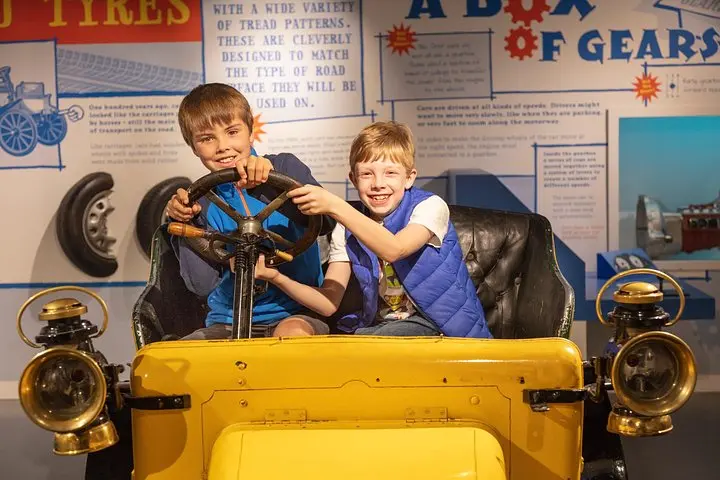
Yes—interactive zones like ‘Under the Skin’ and family-friendly displays make it engaging for young visitors.
Yes—the museum has on-site visitor parking and a café offering hot and cold meals and snacks.
British Motor Museum operates guided outdoor trips and adventures with an emphasis on safety, stewardship, and memorable experiences.
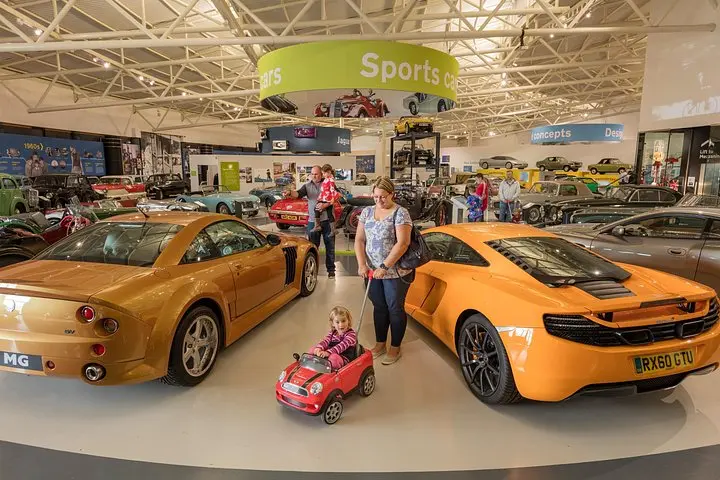
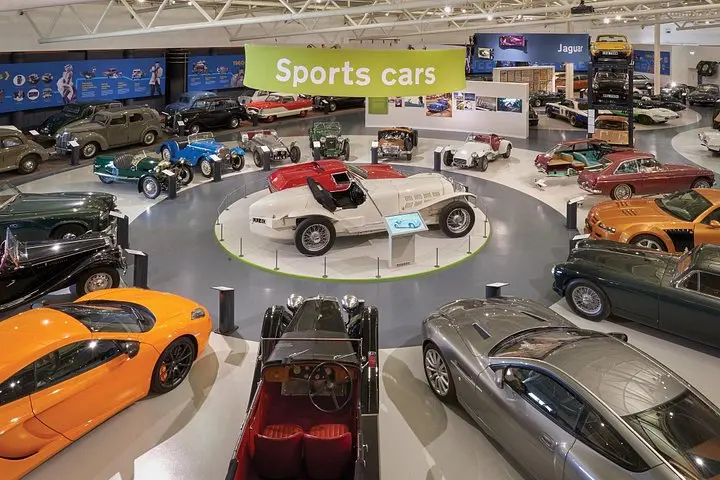
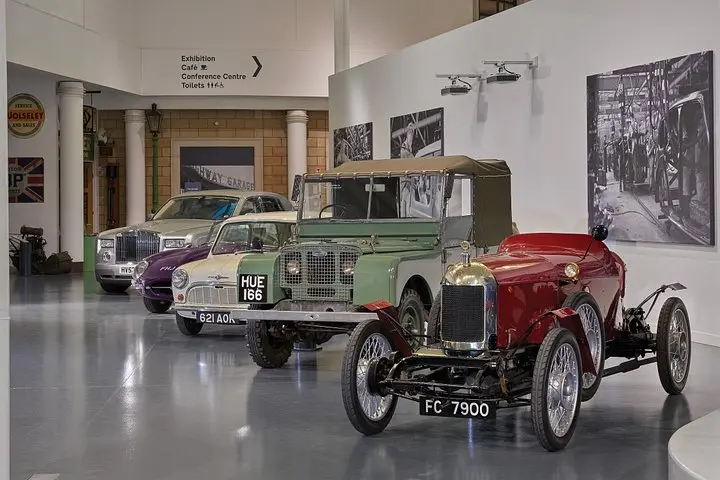
You step through a glass door and the hush of polished metal replaces the hum of the motorway. Rows of waist-high chrome wink under museum lights; engines sit like patient beasts waiting to be understood. The British Motor Museum in Gaydon presents the evolution of a nation on wheels — from brass-era simplicity to mid‑century family saloons — and invites you to read social history through body panels and badges.
You step through a glass door and the hush of polished metal replaces the hum of the motorway. Rows of waist-high chrome wink under museum lights; engines sit like patient beasts waiting to be understood. The British Motor Museum in Gaydon presents the evolution of a nation on wheels — from brass-era simplicity to mid‑century family saloons — and invites you to read social history through body panels and badges.
Located in the heart of Warwickshire, the museum houses the world’s largest collection of historic British cars. Exhibits such as the immersive ‘Time Road’ and the hands-on ‘Under the Skin’ zone illuminate how design, manufacturing and everyday life intersected across decades. The Midlands’ geology—soft clay plains and river corridors—helped concentrate industries here, shaping communities and the supply chains that powered British motoring.
Culturally, the museum maps craftsmanship: designers, toolmakers and test drivers appear as central characters in the industry’s cycles of boom, decline and reinvention. Local volunteers and restorers work visibly, so conversations often deepen a visit.
Practical guidance: plan 2–4 hours to move through core galleries at a relaxed pace; the site is largely level and fully accessible, with a café and rest spaces. Weekdays and early afternoons are quieter; check for temporary exhibits or restoration demonstrations when booking. Bring a camera, wear comfortable shoes for standing, and keep your mobile ticket ready at entry. The museum rewards both casual curiosity and close study, offering a clear, tactile sense of how cars shaped British life and landscape.