THE ADVENTURE COLLECTIVE® · Independent discovery and booking for outdoor travel
Step into one of the world’s great museums and see artifacts that shaped global history. This practical guide explains what to expect, how to plan your visit, and which galleries reward a little extra time.
Step into one of the world’s great museums and see artifacts that shaped global history. This practical guide explains what to expect, how to plan your visit, and which galleries reward a little extra time.
Step through the museum’s neoclassical façade into a sunlit atrium where footsteps echo across the Great Court and cases hum with objects older than nations.
Verified experiences and guided adventures in the surrounding area.
Operated by Trip Knox Ltd · London, England
Step through the museum’s neoclassical façade into a sunlit atrium where footsteps echo across the Great Court and cases hum with objects older than nations.
The British Museum began in the mid-18th century from Sir Hans Sloane’s collection and opened to the public in 1759. Its galleries trace human history from prehistoric tools through classical Greece to pharaonic Egypt; the Rosetta Stone, Parthenon sculptures and preserved mummies anchor stories of empire, trade and cultural exchange. The building itself—Victorian galleries, the glazed O.G. style Great Court roof and compact rooms—reflects London’s institutional history as much as the objects do.
Visitors will feel the constant pull between crowded signature galleries and quieter alcoves: the Enlightenment Gallery (Room 1) still feels like an eighteenth-century study, while the Egyptian rooms offer cool, dim cases that preserve papyrus, coffins and textiles.
Practical guidance: allow 1–3 hours for a focused visit, more if you want to browse dozens of rooms. Timed entry is commonly used for the permanent collection and required for special exhibitions—book ahead in summer and school holidays. The museum sits in Bloomsbury, a short walk from Holborn, Russell Square and Tottenham Court Road stations; public transport is the easiest arrival method. Large bags may be subject to checks; photography is generally permitted without flash but follow posted restrictions for some objects and temporary exhibitions. Pace your visit, carry a lightweight daypack, and plan a café stop in the Great Court to decompress before heading back into London.
Timed entry is commonly used and recommended, especially in summer; booking ahead guarantees your preferred entry time.
General access to the permanent collection is traditionally free, but timed entry and special exhibitions may require a ticket—check current booking details.
Bags may be searched and large items restricted; non-flash photography is usually allowed in permanent galleries but follow posted rules for special exhibitions.
The British Museum provides step-free access, lifts and accessible facilities; check the museum website for details on routes and services.
Trip Knox Ltd operates guided outdoor trips and adventures with an emphasis on safety, stewardship, and memorable experiences.
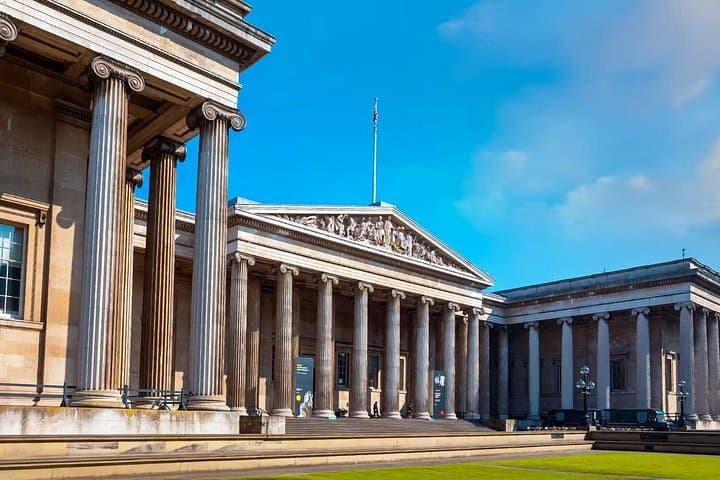
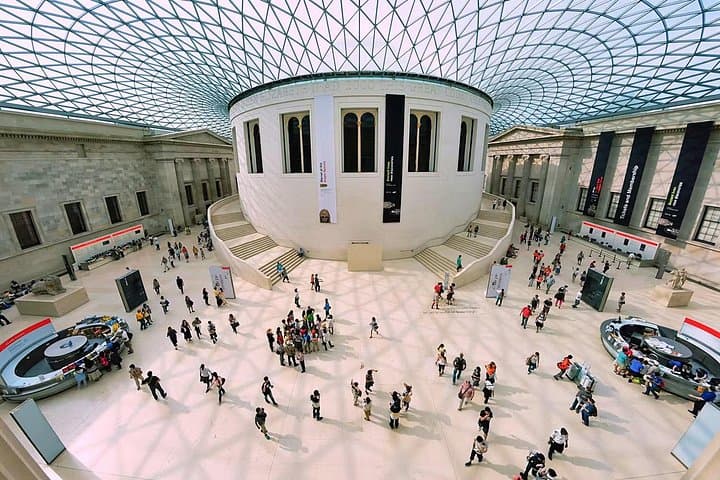
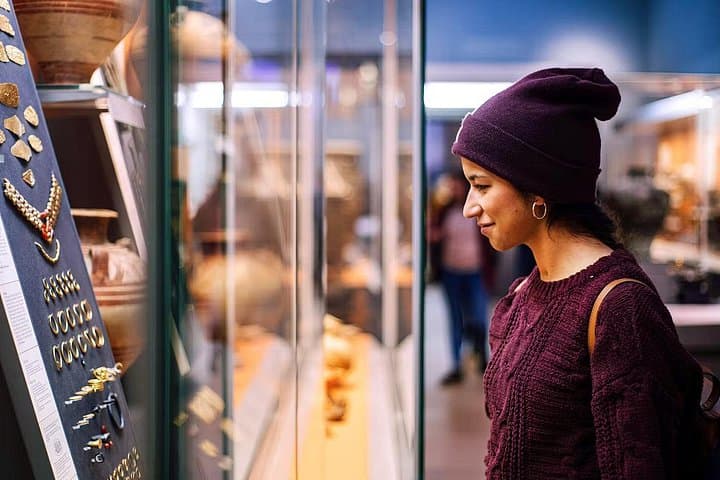

Step through the museum’s neoclassical façade into a sunlit atrium where footsteps echo across the Great Court and cases hum with objects older than nations.
Step through the museum’s neoclassical façade into a sunlit atrium where footsteps echo across the Great Court and cases hum with objects older than nations.
The British Museum began in the mid-18th century from Sir Hans Sloane’s collection and opened to the public in 1759. Its galleries trace human history from prehistoric tools through classical Greece to pharaonic Egypt; the Rosetta Stone, Parthenon sculptures and preserved mummies anchor stories of empire, trade and cultural exchange. The building itself—Victorian galleries, the glazed O.G. style Great Court roof and compact rooms—reflects London’s institutional history as much as the objects do.
Visitors will feel the constant pull between crowded signature galleries and quieter alcoves: the Enlightenment Gallery (Room 1) still feels like an eighteenth-century study, while the Egyptian rooms offer cool, dim cases that preserve papyrus, coffins and textiles.
Practical guidance: allow 1–3 hours for a focused visit, more if you want to browse dozens of rooms. Timed entry is commonly used for the permanent collection and required for special exhibitions—book ahead in summer and school holidays. The museum sits in Bloomsbury, a short walk from Holborn, Russell Square and Tottenham Court Road stations; public transport is the easiest arrival method. Large bags may be subject to checks; photography is generally permitted without flash but follow posted restrictions for some objects and temporary exhibitions. Pace your visit, carry a lightweight daypack, and plan a café stop in the Great Court to decompress before heading back into London.
