THE ADVENTURE COLLECTIVE® · Independent discovery and booking for outdoor travel

Walk Brixton’s streets with a local guide who threads together markets, murals and music. This private 2–2.5 hour tour covers Afro-Caribbean history, iconic venues and the neighbourhood’s changing face.
Walk Brixton’s streets with a local guide who threads together markets, murals and music. This private 2–2.5 hour tour covers Afro-Caribbean history, iconic venues and the neighbourhood’s changing face.
You step off the Victoria Line and the air changes: frying pepper and plantain drift down Electric Avenue, music threads through the market stalls, and murals lean out from brickwork like storytellers. The tour moves at a walking pace—close enough to touch painted faces and small enough to hear vendors bargaining—so you get the textures of Brixton rather than a glossy overview.
Verified experiences and guided adventures in the surrounding area.
Operated by The Great Weekender · Brixton, Greater London
You step off the Victoria Line and the air changes: frying pepper and plantain drift down Electric Avenue, music threads through the market stalls, and murals lean out from brickwork like storytellers. The tour moves at a walking pace—close enough to touch painted faces and small enough to hear vendors bargaining—so you get the textures of Brixton rather than a glossy overview.
This is a place shaped by migration and industry. Victorian terraces gave way to postwar homes for Afro-Caribbean families; that culture seeded markets, sound systems and clubs. The 1981 unrest and its aftermath are part of the narrative you’ll hear, alongside the emergence of venues like Brixton Academy and community institutions such as the Black Cultural Archives.
Geology here is less about rock than urban layers: reclaimed warehouses, Edwardian façades and repurposed department stores standing on former commons. Culturally, Brixton wears its history on shutters and shopfronts—street art points to names and moments, while market aromas map the Caribbean, Africa and south Asia.
Practical guidance: expect 2–2.5 hours on foot with short stops for photos and market browsing. Comfortable shoes and a weatherproof layer matter—London weather can flip between sun and rain. Bring an Oyster/contactless card for transit and small bills for market stalls; most traders now accept cards but cash still speeds small purchases. The tour is wheelchair accessible and suitable for moderately fit travelers; ask about any mobility needs when booking. Leave space in your schedule to explore Pop Brixton or Brockwell Park afterward—Brixton rewards wandering slower than hurrying.
Meet near Brixton Underground Station (Atlantic Road/Pop Brixton side) — exact meeting point provided on booking confirmation.
Yes — the itinerary notes wheelchair-accessible routes and venues, but advise the operator of mobility needs when booking to tailor the route.
Food is not included; the guide may point out recommended stalls and you can purchase tasting-size items independently.
This product is a private tour reserved for your party only; the guide focuses on your group's interests and can adapt timing and stops where possible.
The Great Weekender operates guided outdoor trips and adventures with an emphasis on safety, stewardship, and memorable experiences.
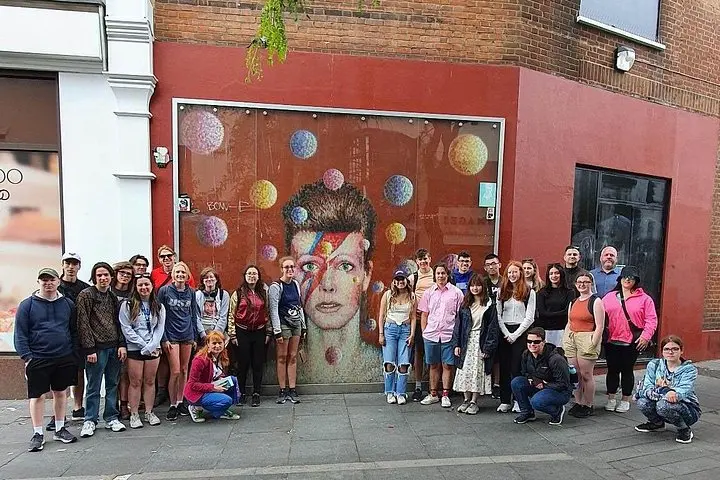
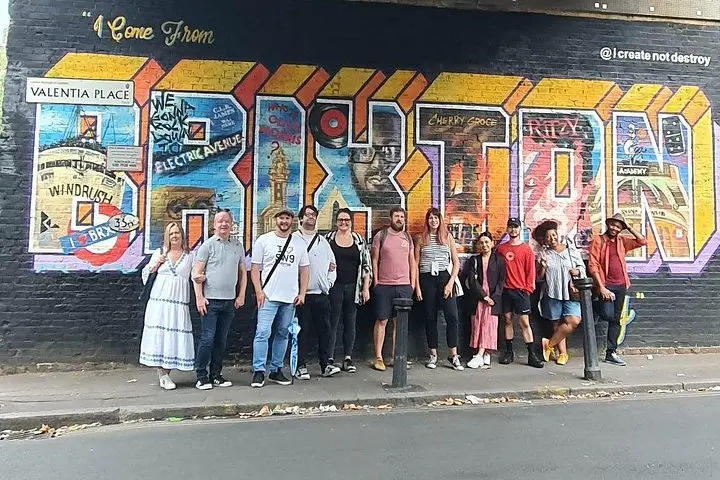
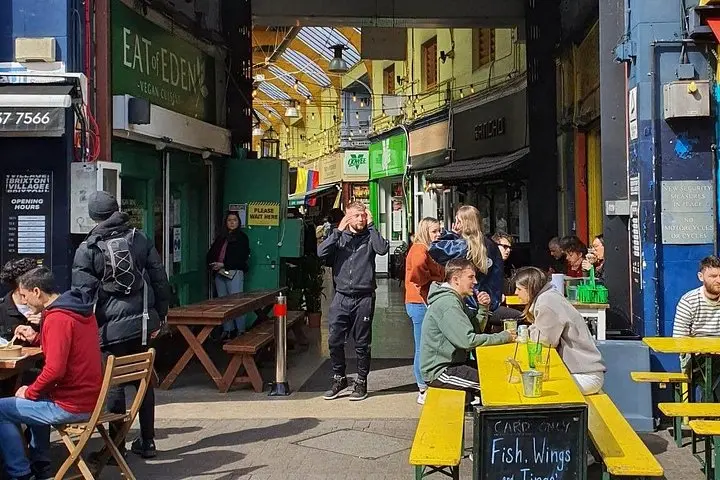
You step off the Victoria Line and the air changes: frying pepper and plantain drift down Electric Avenue, music threads through the market stalls, and murals lean out from brickwork like storytellers. The tour moves at a walking pace—close enough to touch painted faces and small enough to hear vendors bargaining—so you get the textures of Brixton rather than a glossy overview.
You step off the Victoria Line and the air changes: frying pepper and plantain drift down Electric Avenue, music threads through the market stalls, and murals lean out from brickwork like storytellers. The tour moves at a walking pace—close enough to touch painted faces and small enough to hear vendors bargaining—so you get the textures of Brixton rather than a glossy overview.
This is a place shaped by migration and industry. Victorian terraces gave way to postwar homes for Afro-Caribbean families; that culture seeded markets, sound systems and clubs. The 1981 unrest and its aftermath are part of the narrative you’ll hear, alongside the emergence of venues like Brixton Academy and community institutions such as the Black Cultural Archives.
Geology here is less about rock than urban layers: reclaimed warehouses, Edwardian façades and repurposed department stores standing on former commons. Culturally, Brixton wears its history on shutters and shopfronts—street art points to names and moments, while market aromas map the Caribbean, Africa and south Asia.
Practical guidance: expect 2–2.5 hours on foot with short stops for photos and market browsing. Comfortable shoes and a weatherproof layer matter—London weather can flip between sun and rain. Bring an Oyster/contactless card for transit and small bills for market stalls; most traders now accept cards but cash still speeds small purchases. The tour is wheelchair accessible and suitable for moderately fit travelers; ask about any mobility needs when booking. Leave space in your schedule to explore Pop Brixton or Brockwell Park afterward—Brixton rewards wandering slower than hurrying.