THE ADVENTURE COLLECTIVE® · Independent discovery and booking for outdoor travel

Walk Brixton with a historian’s voice in your ear: a 50-minute self-guided audio tour that threads music history, Windrush legacy, and local club culture through Electric Avenue and Coldharbour Lane. Download offline, wear good shoes, and bring headphones.
Walk Brixton with a historian’s voice in your ear: a 50-minute self-guided audio tour that threads music history, Windrush legacy, and local club culture through Electric Avenue and Coldharbour Lane. Download offline, wear good shoes, and bring headphones.
The first steps out of Brixton tube drop you into a neighborhood that still insists on sound — bass lines coming from market stalls, club signage flickering, and a muraled David Bowie staring down Coldharbour Lane. Follow the route and the audio guide places you at the center of Brixton’s music life: small venues, recorded histories, and streets that argue for their place in British pop and Black cultural history.
Verified experiences and guided adventures in the surrounding area.
Operated by Vidi Guides · Brixton, England
The first steps out of Brixton tube drop you into a neighborhood that still insists on sound — bass lines coming from market stalls, club signage flickering, and a muraled David Bowie staring down Coldharbour Lane. Follow the route and the audio guide places you at the center of Brixton’s music life: small venues, recorded histories, and streets that argue for their place in British pop and Black cultural history.
Brixton’s story is written in migration and rhythm. The Windrush generation reshaped local life after WWII; reggae, punk and club culture later pulsed through the same streets. Geology and topography here matter only as the grid that channels crowds toward Electric Avenue and the Dogstar. The real landscape is cultural — market traders, sound-system legacies, and late-night club flyers.
Expect an approachable 50-minute walk on mostly flat, paved streets with frequent stops for listening and photo points. The tour runs offline if downloaded in advance, and the GPS map keeps you on course through Brixton Village, Coldharbour Lane, and Windrush Square. Look for the David Bowie mural, Phonox and small clubs that have reshaped the late-night scene.
Practical side: wear comfortable shoes, carry a charged phone and headphones, and plan around market hours to catch street food. Use public transport — Brixton Station is a 5–10 minute walk. Respect businesses and residents; this is a living neighborhood, not a stage. With the audio historian guiding context and hidden anecdotes, it’s an urban walk that teaches while it moves.
The walking route is flexible; most users start near Brixton Tube (Brixton Station) and finish around Electric Avenue or Brixton Market — the audio points guide you through.
No entrance tickets are included; the tour passes venues and provides historical context — check individual venues for opening hours and entry fees.
The streets are mainly paved and flat, but some market areas can be crowded; the tour is marked as physically easy, though mobility will depend on crowding and stall layouts.
The guided route runs about 50 minutes; you can pause and resume as needed, and downloading the tour enables offline playback.
Vidi Guides operates guided outdoor trips and adventures with an emphasis on safety, stewardship, and memorable experiences.

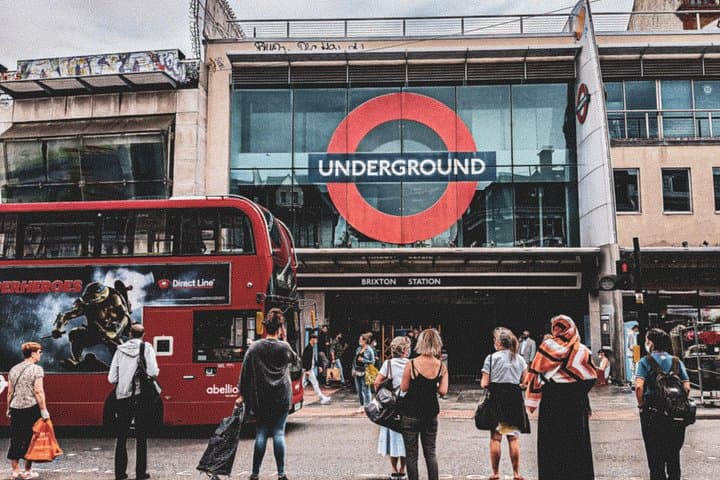
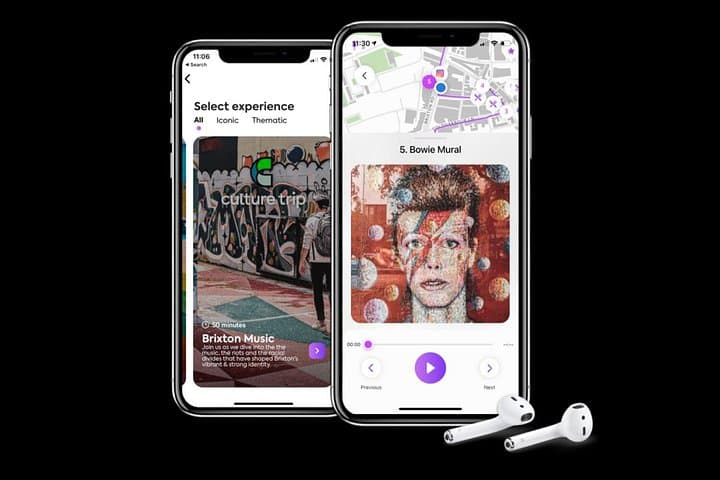
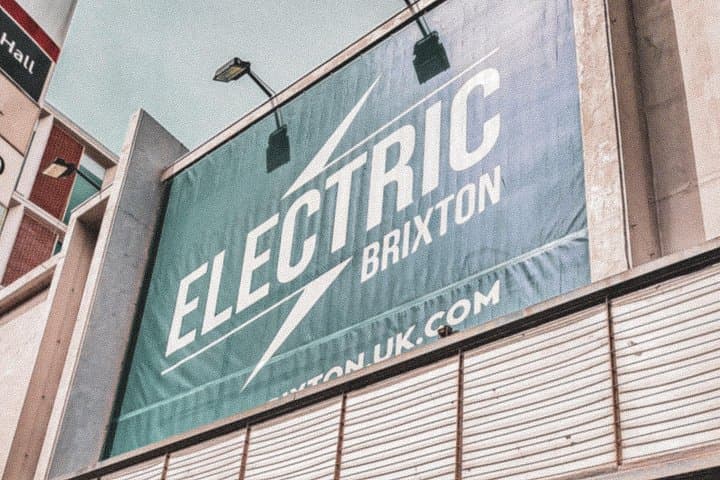
The first steps out of Brixton tube drop you into a neighborhood that still insists on sound — bass lines coming from market stalls, club signage flickering, and a muraled David Bowie staring down Coldharbour Lane. Follow the route and the audio guide places you at the center of Brixton’s music life: small venues, recorded histories, and streets that argue for their place in British pop and Black cultural history.
The first steps out of Brixton tube drop you into a neighborhood that still insists on sound — bass lines coming from market stalls, club signage flickering, and a muraled David Bowie staring down Coldharbour Lane. Follow the route and the audio guide places you at the center of Brixton’s music life: small venues, recorded histories, and streets that argue for their place in British pop and Black cultural history.
Brixton’s story is written in migration and rhythm. The Windrush generation reshaped local life after WWII; reggae, punk and club culture later pulsed through the same streets. Geology and topography here matter only as the grid that channels crowds toward Electric Avenue and the Dogstar. The real landscape is cultural — market traders, sound-system legacies, and late-night club flyers.
Expect an approachable 50-minute walk on mostly flat, paved streets with frequent stops for listening and photo points. The tour runs offline if downloaded in advance, and the GPS map keeps you on course through Brixton Village, Coldharbour Lane, and Windrush Square. Look for the David Bowie mural, Phonox and small clubs that have reshaped the late-night scene.
Practical side: wear comfortable shoes, carry a charged phone and headphones, and plan around market hours to catch street food. Use public transport — Brixton Station is a 5–10 minute walk. Respect businesses and residents; this is a living neighborhood, not a stage. With the audio historian guiding context and hidden anecdotes, it’s an urban walk that teaches while it moves.