THE ADVENTURE COLLECTIVE® · Independent discovery and booking for outdoor travel

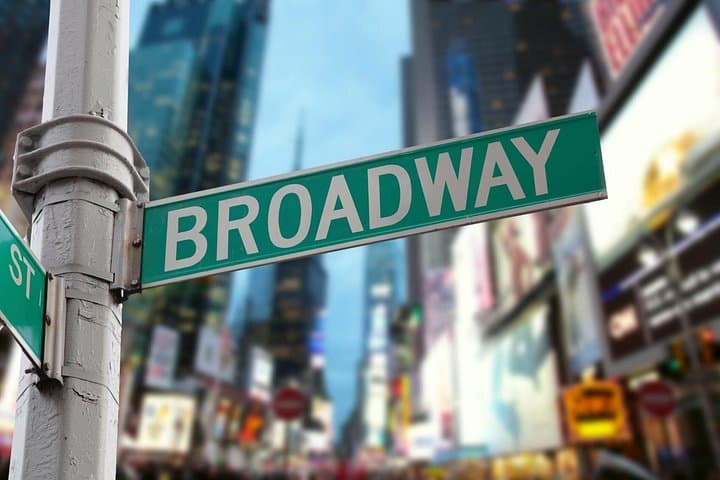
Walk the bright, gritty perimeter of Broadway with a theater professional who blends backstage stories, practical audition advice, and Broadway history. Learn which theaters shaped American musicals and what really happens beyond the curtain.
Walk the bright, gritty perimeter of Broadway with a theater professional who blends backstage stories, practical audition advice, and Broadway history. Learn which theaters shaped American musicals and what really happens beyond the curtain.
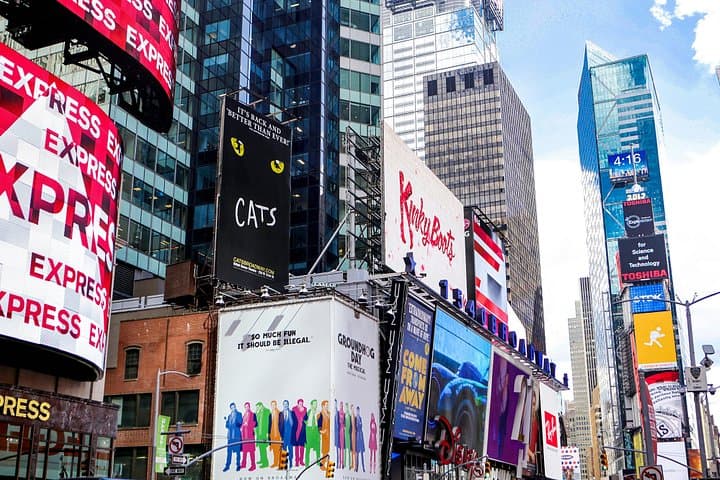
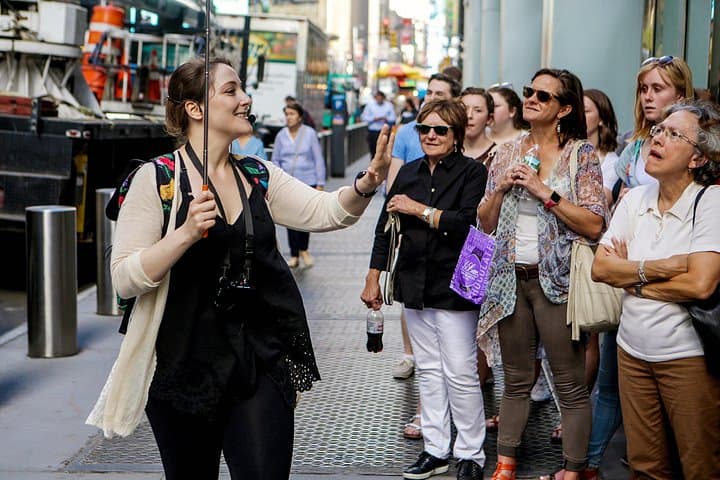
You meet under the bronze gaze of George M. Cohan at 46th and Broadway — neon above like a restless sky and the pavement humming with footsteps. The guide, a working theater professional, steers the group through the press of Times Square, stopping where marquees throw angled light across faces and alleyways keep quieter echoes of auditions past.
Verified experiences and guided adventures in the surrounding area.
Operated by ExperienceFirst · New York, New York
You meet under the bronze gaze of George M. Cohan at 46th and Broadway — neon above like a restless sky and the pavement humming with footsteps. The guide, a working theater professional, steers the group through the press of Times Square, stopping where marquees throw angled light across faces and alleyways keep quieter echoes of auditions past.
The route threads through the Theater District, a patch of Manhattan built on solid schist that once rose above an ice-carved island. Broadway evolved from a colonial road to the artery that fed American theater; Longacre Square became Times Square after Joseph Pulitzer moved his paper there in 1904. These streets have borne stars and scandals alike, and the tour layers cultural context — union rules, the economics of playhouses, and the rise of the modern musical — over anecdotes of Judy Garland, Ethel Barrymore, and the ghosts said to linger at the wings.
Expect outside-only viewing of historic theaters, stops to hear about landmark productions, and insider tips about audition etiquette and the realities of life onstage. The guide weaves personal recollections with architectural notes — why theaters cluster where they do, how sightlines shape a run — and points out lesser-seen features such as service entrances and old rehearsal spaces.
Practical guidance: bring comfortable shoes for roughly two hours of mostly flat walking, a charged phone for photos and directions, and arrive 15 minutes early to meet at the Cohan statue. The tour operates in most weather; dress in layers and plan around evening performances if you intend to stay for a show afterward.
No — due to union and performance constraints the tour provides outside views and commentary rather than backstage access.
Yes — the route is wheelchair accessible and runs on mostly flat, paved streets, though sidewalks can be crowded at peak times.
Shared tours cap at about 25 people; groups are kept small enough for Q&A and moving through busy intersections.
The tour operates in most weather; bring rain protection. Very severe weather may prompt cancellation with a full refund if notified in time.
ExperienceFirst operates guided outdoor trips and adventures with an emphasis on safety, stewardship, and memorable experiences.

You meet under the bronze gaze of George M. Cohan at 46th and Broadway — neon above like a restless sky and the pavement humming with footsteps. The guide, a working theater professional, steers the group through the press of Times Square, stopping where marquees throw angled light across faces and alleyways keep quieter echoes of auditions past.
You meet under the bronze gaze of George M. Cohan at 46th and Broadway — neon above like a restless sky and the pavement humming with footsteps. The guide, a working theater professional, steers the group through the press of Times Square, stopping where marquees throw angled light across faces and alleyways keep quieter echoes of auditions past.
The route threads through the Theater District, a patch of Manhattan built on solid schist that once rose above an ice-carved island. Broadway evolved from a colonial road to the artery that fed American theater; Longacre Square became Times Square after Joseph Pulitzer moved his paper there in 1904. These streets have borne stars and scandals alike, and the tour layers cultural context — union rules, the economics of playhouses, and the rise of the modern musical — over anecdotes of Judy Garland, Ethel Barrymore, and the ghosts said to linger at the wings.
Expect outside-only viewing of historic theaters, stops to hear about landmark productions, and insider tips about audition etiquette and the realities of life onstage. The guide weaves personal recollections with architectural notes — why theaters cluster where they do, how sightlines shape a run — and points out lesser-seen features such as service entrances and old rehearsal spaces.
Practical guidance: bring comfortable shoes for roughly two hours of mostly flat walking, a charged phone for photos and directions, and arrive 15 minutes early to meet at the Cohan statue. The tour operates in most weather; dress in layers and plan around evening performances if you intend to stay for a show afterward.