THE ADVENTURE COLLECTIVE® · Independent discovery and booking for outdoor travel

Three days across East Java: watch Bromo’s sunrise from Penanjakan, feel the spray at Madakaripura, and hike Ijen at night to see its eerie blue fire. This private photography-focused tour blends volcanic panoramas with hands-on logistics and local insight.
Three days across East Java: watch Bromo’s sunrise from Penanjakan, feel the spray at Madakaripura, and hike Ijen at night to see its eerie blue fire. This private photography-focused tour blends volcanic panoramas with hands-on logistics and local insight.
You arrive before dawn, breathing in cold air that the Tengger caldera pushes down into the Cemara Lawang rim. Headlights cut through ash-gray sand as a 4x4 climbs toward Penanjakan; the sky lightens and the crater’s silhouette sharpens—Bromo’s fumaroles daring you closer.
Verified experiences and guided adventures in the surrounding area.
Operated by Java Exotica Tour · Cemara Lawang, East Java
You arrive before dawn, breathing in cold air that the Tengger caldera pushes down into the Cemara Lawang rim. Headlights cut through ash-gray sand as a 4x4 climbs toward Penanjakan; the sky lightens and the crater’s silhouette sharpens—Bromo’s fumaroles daring you closer.
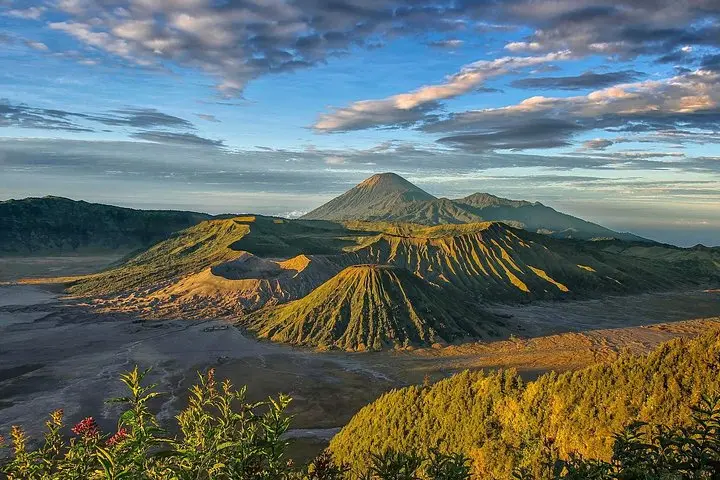
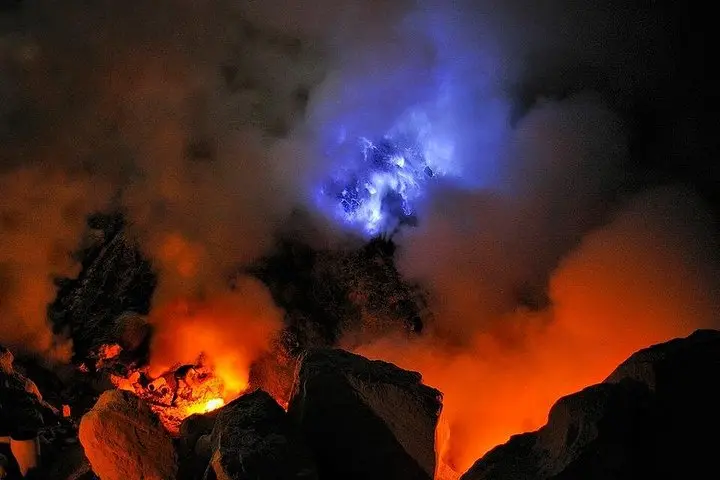
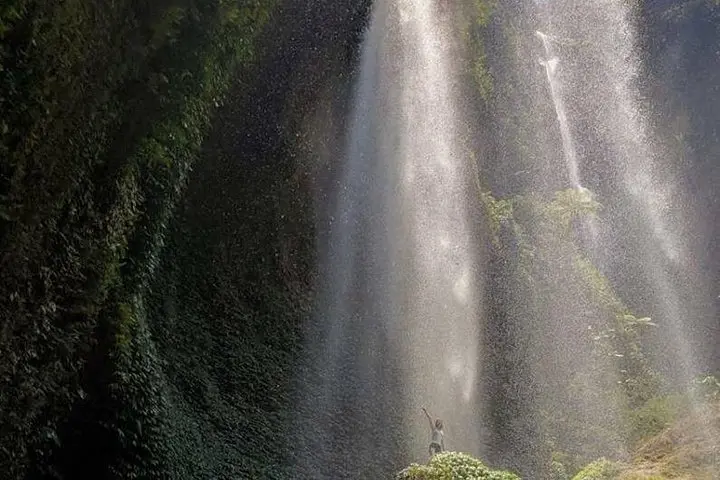
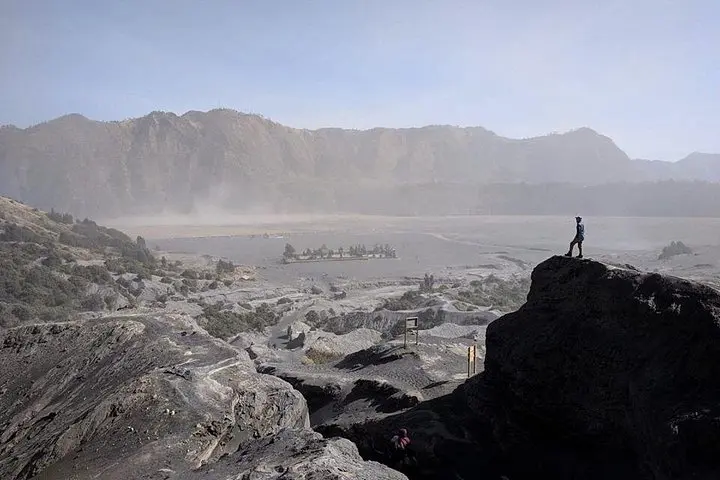
The route ties together three distinct landscapes. Bromo sits on a broad sea of volcanic sand roughly 10 km², a flat amphitheater dotted by Mt. Batok and the white-capped mouth of Bromo itself; nearby Madakaripura drops in a narrow gorge of basalt sheets where waterfalls throw spray into an emerald pool. Ijen, on the far eastern flank of Java, is a different geology: an acid crater lake ringed by sulfur vents that glow electric blue at night when sulfur gases ignite.
Culturally the area is shaped by the Tengger people and Hindu rites around Pura Luhur Poten at Bromo; at Ijen you’ll witness the century-old, brutal work of sulfur miners who carry loads of ~70 kg from the crater. These are living landscapes—volatile, working, and weather-dependent—so timing matters: the dry season (roughly May–September) gives the best visibility and safer trails.
Practical guidance: this is a three-day private tour with early starts (03:00 pickup for Bromo; midnight transfer for Ijen). Expect short treks—about 1 km up Bromo’s rim and a 3 km uphill trek to Ijen’s crater (≈90 minutes from the parking area). Bring a warm layer, headlamp, waterproof protection for electronics, and sturdy hiking shoes. Guides provide gas masks and headlights for Ijen; stay behind marked areas near fumaroles and respect miners. Hydrate well, move deliberately on loose sand, and plan extra time for travel between sites—roads are long but the light and the blue fire reward the effort.
No—blue fire visibility depends on volcanic activity and weather; clear, windless nights with active sulfur venting offer the best chance.
Yes—guides typically supply gas masks and headlights for the Ijen descent; bring your own if you prefer a personal fit.
This operator requires a minimum of two people per booking; check availability or request a private-supplement if traveling solo.
Expect short hikes: ~1 km up Bromo’s rim and about 3 km (≈90 minutes) to reach Ijen’s crater viewpoint from the parking area, plus short walks at Madakaripura.
Java Exotica Tour operates guided outdoor trips and adventures with an emphasis on safety, stewardship, and memorable experiences.
You arrive before dawn, breathing in cold air that the Tengger caldera pushes down into the Cemara Lawang rim. Headlights cut through ash-gray sand as a 4x4 climbs toward Penanjakan; the sky lightens and the crater’s silhouette sharpens—Bromo’s fumaroles daring you closer.
You arrive before dawn, breathing in cold air that the Tengger caldera pushes down into the Cemara Lawang rim. Headlights cut through ash-gray sand as a 4x4 climbs toward Penanjakan; the sky lightens and the crater’s silhouette sharpens—Bromo’s fumaroles daring you closer.
The route ties together three distinct landscapes. Bromo sits on a broad sea of volcanic sand roughly 10 km², a flat amphitheater dotted by Mt. Batok and the white-capped mouth of Bromo itself; nearby Madakaripura drops in a narrow gorge of basalt sheets where waterfalls throw spray into an emerald pool. Ijen, on the far eastern flank of Java, is a different geology: an acid crater lake ringed by sulfur vents that glow electric blue at night when sulfur gases ignite.
Culturally the area is shaped by the Tengger people and Hindu rites around Pura Luhur Poten at Bromo; at Ijen you’ll witness the century-old, brutal work of sulfur miners who carry loads of ~70 kg from the crater. These are living landscapes—volatile, working, and weather-dependent—so timing matters: the dry season (roughly May–September) gives the best visibility and safer trails.
Practical guidance: this is a three-day private tour with early starts (03:00 pickup for Bromo; midnight transfer for Ijen). Expect short treks—about 1 km up Bromo’s rim and a 3 km uphill trek to Ijen’s crater (≈90 minutes from the parking area). Bring a warm layer, headlamp, waterproof protection for electronics, and sturdy hiking shoes. Guides provide gas masks and headlights for Ijen; stay behind marked areas near fumaroles and respect miners. Hydrate well, move deliberately on loose sand, and plan extra time for travel between sites—roads are long but the light and the blue fire reward the effort.