THE ADVENTURE COLLECTIVE® · Independent discovery and booking for outdoor travel

Explore the Bronx Zoo with this concise, practical guide. Learn what to expect—hours, exhibits, accessibility—and how to plan a smooth, rewarding visit to one of New York City's largest wildlife parks.
Explore the Bronx Zoo with this concise, practical guide. Learn what to expect—hours, exhibits, accessibility—and how to plan a smooth, rewarding visit to one of New York City's largest wildlife parks.
You step through the iron gate and the city’s roar fades; paths curve under plane trees, and the air carries distant calls—birdsong, a bark, the splash from a nearby exhibit. The Bronx Zoo stretches across 265 acres, a compact wildland inside New York City where animals move with purpose and visitors navigate on foot and tram alike.
Verified experiences and guided adventures in the surrounding area.
Operated by Wildlife Conservation Society · Bronx, New York
You step through the iron gate and the city’s roar fades; paths curve under plane trees, and the air carries distant calls—birdsong, a bark, the splash from a nearby exhibit. The Bronx Zoo stretches across 265 acres, a compact wildland inside New York City where animals move with purpose and visitors navigate on foot and tram alike.
Founded by the New York Zoological Society in 1899, the Bronx Zoo was part of a turn-of-the-century movement to bring scientific study and species protection into public view. The park’s landscapes sit on glacially scoured terrain typical of the Bronx—gentle ridges, pockets of wetland, and remnant oak-hickory stands—shaping the zoo’s looped circulation and exhibit placement.
Culturally the zoo is woven into city life: school groups stream in on weekdays, families pack weekends, and special exhibits like the new Animal Chronicles reconnect urban residents to conservation stories. Look for quieter moments at Astor Court and smaller mammal houses where keepers often share context about species survival.
Practical guidance: allow 3–4 hours for a focused visit; wear supportive walking shoes and layers—weather changes fast in the Bronx. Arrive early to visit popular exhibits before midday crowds; check exhibit closing times (many animal displays close around 4 PM). Hydrate and use refill stations where available; bring a compact rain jacket for sudden showers. Tickets are mobile-friendly; present the barcode for entry and note parking is separate. The park is largely accessible but some paths are graded or uneven—plan accordingly.
With straightforward planning, a day at the Bronx Zoo is an efficient, immersive wildlife experience right inside the city.
Current posted hours are generally 10:00 AM–4:30 PM with last entry about 45 minutes before closing; arrive at opening for quieter paths and more active animal viewing.
Tickets can be refunded if canceled at least 24 hours before the scheduled visit; vouchers are single-scan and not valid for parking—check the ticket terms before booking.
Yes—major paths and many exhibits are wheelchair and stroller accessible, though some older sections have graded or uneven surfaces; accessibility services are available onsite.
Exhibit availability can change due to weather, animal care, or maintenance; some indoor or seasonal exhibits may close earlier—check bronxzoo.com for current updates.
Wildlife Conservation Society operates guided outdoor trips and adventures with an emphasis on safety, stewardship, and memorable experiences.

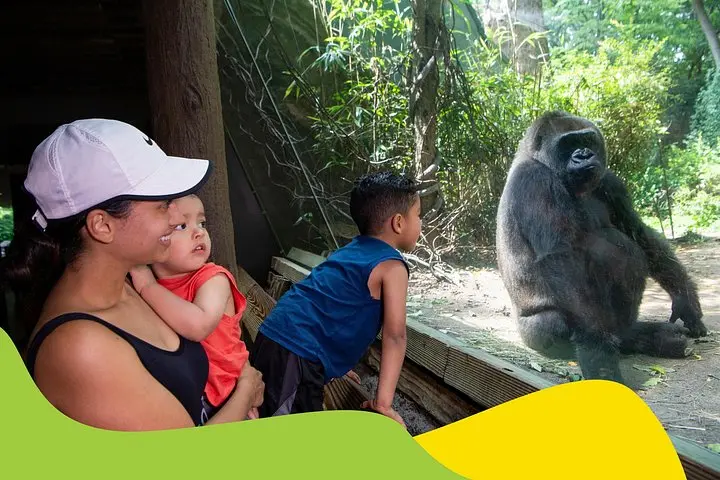

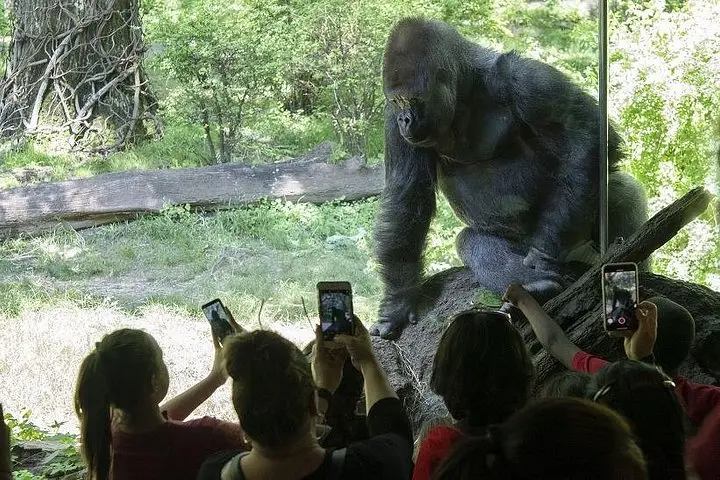
You step through the iron gate and the city’s roar fades; paths curve under plane trees, and the air carries distant calls—birdsong, a bark, the splash from a nearby exhibit. The Bronx Zoo stretches across 265 acres, a compact wildland inside New York City where animals move with purpose and visitors navigate on foot and tram alike.
You step through the iron gate and the city’s roar fades; paths curve under plane trees, and the air carries distant calls—birdsong, a bark, the splash from a nearby exhibit. The Bronx Zoo stretches across 265 acres, a compact wildland inside New York City where animals move with purpose and visitors navigate on foot and tram alike.
Founded by the New York Zoological Society in 1899, the Bronx Zoo was part of a turn-of-the-century movement to bring scientific study and species protection into public view. The park’s landscapes sit on glacially scoured terrain typical of the Bronx—gentle ridges, pockets of wetland, and remnant oak-hickory stands—shaping the zoo’s looped circulation and exhibit placement.
Culturally the zoo is woven into city life: school groups stream in on weekdays, families pack weekends, and special exhibits like the new Animal Chronicles reconnect urban residents to conservation stories. Look for quieter moments at Astor Court and smaller mammal houses where keepers often share context about species survival.
Practical guidance: allow 3–4 hours for a focused visit; wear supportive walking shoes and layers—weather changes fast in the Bronx. Arrive early to visit popular exhibits before midday crowds; check exhibit closing times (many animal displays close around 4 PM). Hydrate and use refill stations where available; bring a compact rain jacket for sudden showers. Tickets are mobile-friendly; present the barcode for entry and note parking is separate. The park is largely accessible but some paths are graded or uneven—plan accordingly.
With straightforward planning, a day at the Bronx Zoo is an efficient, immersive wildlife experience right inside the city.