THE ADVENTURE COLLECTIVE® · Independent discovery and booking for outdoor travel

Step from Ankara onto the high Anatolian plateau and into the Hittite world: an 8-hour private tour that links Hattusas’ fortifications, the rock shrine of Yazılıkaya and the early tombs and museum at Alacahöyük. Expect uneven stone, wide views and deep history.
Step from Ankara onto the high Anatolian plateau and into the Hittite world: an 8-hour private tour that links Hattusas’ fortifications, the rock shrine of Yazılıkaya and the early tombs and museum at Alacahöyük. Expect uneven stone, wide views and deep history.
You leave Ankara before dawn and the highway peels away into the high, wheat-swept plateau. By midmorning the air smells of dry stone and thyme; limestone ridges loom, and the ruined gates of Hattusas rise like the skeleton of an ancient city refusing to lie down.
Verified experiences and guided adventures in the surrounding area.
Operated by Opatrip.com Turkey · Ankara, Ankara Province
You leave Ankara before dawn and the highway peels away into the high, wheat-swept plateau. By midmorning the air smells of dry stone and thyme; limestone ridges loom, and the ruined gates of Hattusas rise like the skeleton of an ancient city refusing to lie down.
Hattusas was the Hittite capital in the 2nd millennium BCE—stone fortifications, towering gateways and the arc of a lost bureaucracy etched into rock. A short drive takes you to Yazılıkaya, an open-air sanctuary where carved gods stare from sheltered chambers, their profiles still catching light after three millennia. Alacahöyük, farther east, offers a different chapter: monumental burial mounds, bronze-age metalwork and the museum where gilded artifacts explain court life and ritual.
Geology here is blunt and honest—limestone outcrops, shallow soils and broad horizons that let wind behave like a courier of stories. Local villages keep Anatolian traditions close: barley fields, quiet tea houses and guidebooks written in gestures as much as words.
Practical guide: this private, 8-hour tour includes transport, a professional local guide and entrances as listed. Expect uneven stone, short climbs and exposed sun; bring sturdy shoes, sun protection, a refillable water bottle and a light layer for wind. Photography is excellent but stay behind ropes and follow the guide—fragile carvings do not forgive touch. Morning departures avoid peak heat and make light better for photographing bas-reliefs.
Whether you come for the archaeology or the landscape, the route reads like a fast, readable history—bring curiosity and comfortable footwear.
Yes—entrances for the listed sites are included in the tour price per the operator’s inclusions.
The private tour lasts about 8 hours and includes round-trip transportation from the agreed pickup point in Ankara.
The tour is family-friendly but involves uneven ground and stairs; travelers with limited mobility should contact the operator before booking to discuss accessibility and pickup options.
Photography is allowed at most outdoor areas but follow guide instructions; flash and touching carvings may be restricted to protect artifacts.
Opatrip.com Turkey operates guided outdoor trips and adventures with an emphasis on safety, stewardship, and memorable experiences.
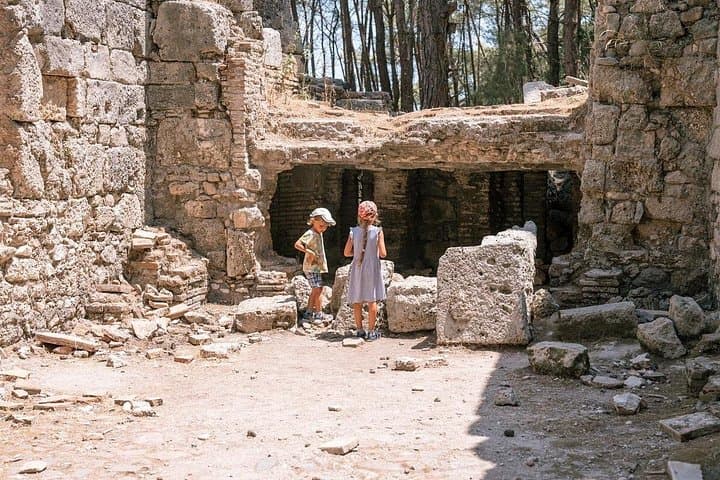


You leave Ankara before dawn and the highway peels away into the high, wheat-swept plateau. By midmorning the air smells of dry stone and thyme; limestone ridges loom, and the ruined gates of Hattusas rise like the skeleton of an ancient city refusing to lie down.
You leave Ankara before dawn and the highway peels away into the high, wheat-swept plateau. By midmorning the air smells of dry stone and thyme; limestone ridges loom, and the ruined gates of Hattusas rise like the skeleton of an ancient city refusing to lie down.
Hattusas was the Hittite capital in the 2nd millennium BCE—stone fortifications, towering gateways and the arc of a lost bureaucracy etched into rock. A short drive takes you to Yazılıkaya, an open-air sanctuary where carved gods stare from sheltered chambers, their profiles still catching light after three millennia. Alacahöyük, farther east, offers a different chapter: monumental burial mounds, bronze-age metalwork and the museum where gilded artifacts explain court life and ritual.
Geology here is blunt and honest—limestone outcrops, shallow soils and broad horizons that let wind behave like a courier of stories. Local villages keep Anatolian traditions close: barley fields, quiet tea houses and guidebooks written in gestures as much as words.
Practical guide: this private, 8-hour tour includes transport, a professional local guide and entrances as listed. Expect uneven stone, short climbs and exposed sun; bring sturdy shoes, sun protection, a refillable water bottle and a light layer for wind. Photography is excellent but stay behind ropes and follow the guide—fragile carvings do not forgive touch. Morning departures avoid peak heat and make light better for photographing bas-reliefs.
Whether you come for the archaeology or the landscape, the route reads like a fast, readable history—bring curiosity and comfortable footwear.