THE ADVENTURE COLLECTIVE® · Independent discovery and booking for outdoor travel

Walk from DUMBO’s cobblestones to the murals of the Bushwick Collective on a three-hour private tour that mixes subway travel with street-level art history. Learn styles, stories, and practical tips for photographing and navigating New York’s shifting urban canvas.
Walk from DUMBO’s cobblestones to the murals of the Bushwick Collective on a three-hour private tour that mixes subway travel with street-level art history. Learn styles, stories, and practical tips for photographing and navigating New York’s shifting urban canvas.
A morning in Brooklyn begins with the river on one side and brick on the other. Start at the end of the pier on Old Fulton Street, where the East River pushes light across rusted pilings and the Manhattan skyline sharpens like a photograph. The tour moves from cobblestone DUMBO streets—where warehouses whisper of shipping days—to the spray-painted arteries of Bushwick, traveling by subway to stitch neighborhoods together.
Verified experiences and guided adventures in the surrounding area.
Operated by Spread Love Tours · Brooklyn, New York
A morning in Brooklyn begins with the river on one side and brick on the other. Start at the end of the pier on Old Fulton Street, where the East River pushes light across rusted pilings and the Manhattan skyline sharpens like a photograph. The tour moves from cobblestone DUMBO streets—where warehouses whisper of shipping days—to the spray-painted arteries of Bushwick, traveling by subway to stitch neighborhoods together.
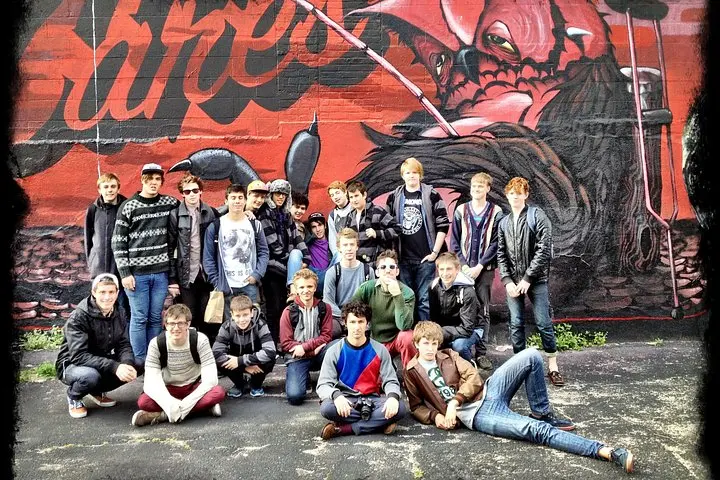
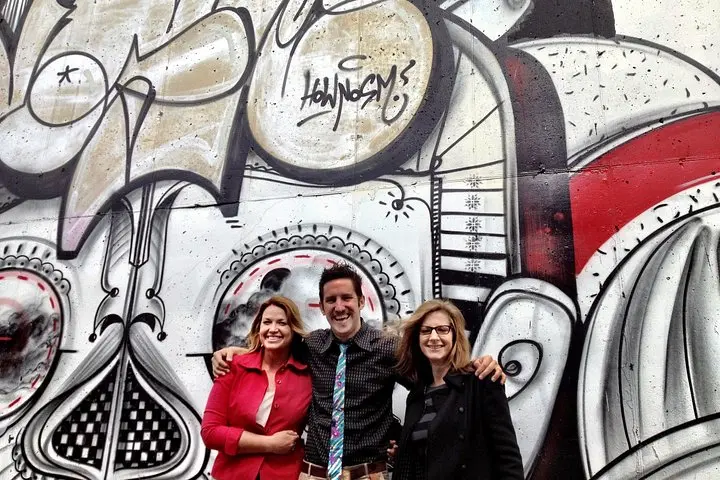
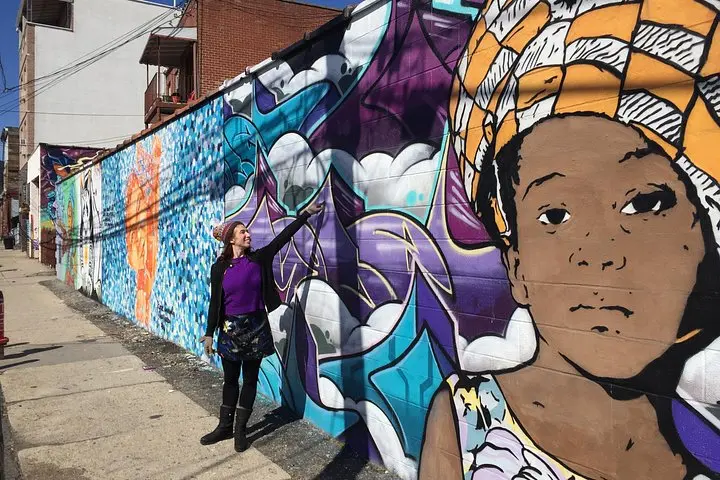
Graffiti in New York is as much a social history as a visual one. DUMBO’s faded pieces recall industrial decline and upscale reinvention; Bushwick’s Collective grew from grassroots mural work into a curated open-air gallery that documents artists, movements, and neighborhood change. Beneath the color are layers of geology and industry: reclaimed shipping piers, buried rail beds, and brick factories that once powered Brooklyn’s growth.
Expect three hours of walking and one short subway ride, roughly 2–3 miles on foot over uneven pavement and occasional cobbles. Guides discuss styles—wheatpastes, stencils, and large-scale murals—while pointing out legal and ephemeral work, and noting where permission and property rights intersect with art.
Practicalities matter: bring a MetroCard, comfortable shoes for cobbles and stairs, and a charged phone for photos and maps. Photograph generously but don't touch wet paint or private property. Timing your visit for morning light in DUMBO yields clear skyline shots; late afternoon in Bushwick brings warmer tones and active artists. The tour balances exploration and context—urban history, visual literacy, and simple logistics—so travelers leave with images, insight, and a clearer sense of how public art shapes a city.
The meeting point and some DUMBO sections are wheelchair accessible, but subway stations and some Bushwick blocks may have stairs—contact the operator to plan an accessible route.
Yes; the booking is per group as listed—private guide and tailored pacing for your party.
Yes—photography is allowed for most pieces, but avoid touching works, and follow the guide’s instructions when near private property or active artists.
Full refunds are available if you cancel at least 24 hours before the scheduled departure time; the tour may be canceled for bad weather.
Spread Love Tours operates guided outdoor trips and adventures with an emphasis on safety, stewardship, and memorable experiences.
A morning in Brooklyn begins with the river on one side and brick on the other. Start at the end of the pier on Old Fulton Street, where the East River pushes light across rusted pilings and the Manhattan skyline sharpens like a photograph. The tour moves from cobblestone DUMBO streets—where warehouses whisper of shipping days—to the spray-painted arteries of Bushwick, traveling by subway to stitch neighborhoods together.
A morning in Brooklyn begins with the river on one side and brick on the other. Start at the end of the pier on Old Fulton Street, where the East River pushes light across rusted pilings and the Manhattan skyline sharpens like a photograph. The tour moves from cobblestone DUMBO streets—where warehouses whisper of shipping days—to the spray-painted arteries of Bushwick, traveling by subway to stitch neighborhoods together.
Graffiti in New York is as much a social history as a visual one. DUMBO’s faded pieces recall industrial decline and upscale reinvention; Bushwick’s Collective grew from grassroots mural work into a curated open-air gallery that documents artists, movements, and neighborhood change. Beneath the color are layers of geology and industry: reclaimed shipping piers, buried rail beds, and brick factories that once powered Brooklyn’s growth.
Expect three hours of walking and one short subway ride, roughly 2–3 miles on foot over uneven pavement and occasional cobbles. Guides discuss styles—wheatpastes, stencils, and large-scale murals—while pointing out legal and ephemeral work, and noting where permission and property rights intersect with art.
Practicalities matter: bring a MetroCard, comfortable shoes for cobbles and stairs, and a charged phone for photos and maps. Photograph generously but don't touch wet paint or private property. Timing your visit for morning light in DUMBO yields clear skyline shots; late afternoon in Bushwick brings warmer tones and active artists. The tour balances exploration and context—urban history, visual literacy, and simple logistics—so travelers leave with images, insight, and a clearer sense of how public art shapes a city.