THE ADVENTURE COLLECTIVE® · Independent discovery and booking for outdoor travel

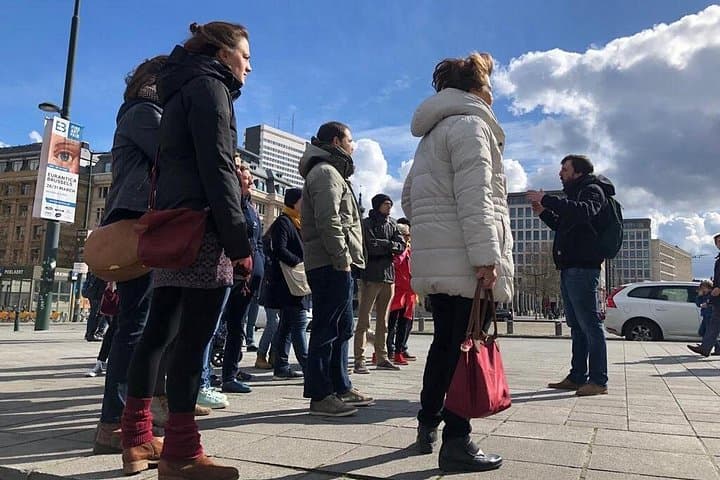
Walk the Marolles with a local guide and trace a millennium of urban resistance — from tenant revolts to flea-market culture. This two-hour tour combines street-level history with practical tips for navigating Brussels’ most outspoken neighborhood.
Walk the Marolles with a local guide and trace a millennium of urban resistance — from tenant revolts to flea-market culture. This two-hour tour combines street-level history with practical tips for navigating Brussels’ most outspoken neighborhood.
You step off the tram and the Marolles greets you with a chorus of footfalls on worn cobbles and the sharp tang of frying oil from a nearby friterie. Narrow streets angle toward low brick houses, graffiti marking disputes past and present; the quarter feels like a city that argues with itself — and wins.
Verified experiences and guided adventures in the surrounding area.
Operated by Brussels By Foot · Brussels, Brussels-Capital Region
You step off the tram and the Marolles greets you with a chorus of footfalls on worn cobbles and the sharp tang of frying oil from a nearby friterie. Narrow streets angle toward low brick houses, graffiti marking disputes past and present; the quarter feels like a city that argues with itself — and wins.
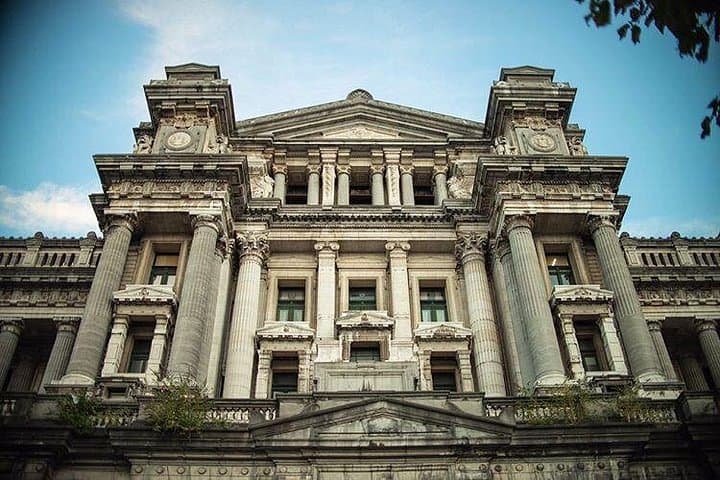
This two-hour guided walk threads through a neighborhood shaped by working-class resistance, post-industrial reinvention, and political theater. Expect stories of tenant fights, botched renovations and preservation battles as you pass a 12th-century church that still rings for Polish masses, the slow-moving scandal of an unfinished public project, and the elevated vantage points that reveal Brussels’ layered rooflines. Geology here is quiet — clay foundations and river-driven terraces underfoot — but culture is loud: daily flea markets, outspoken mural art, and cafés where debates continue over beer and coffee.
Practical guidance: the route covers uneven cobbles and short flights of steps over about 2 km; wear sturdy shoes and bring a light rain layer. Tours accept small groups (up to 25) and are wheelchair-accessible on managed streets, but check with the operator about specific access at individual stops. Start mid-morning to catch the flea market waking, or late afternoon for quieter alleys and busy bars afterward.
Local guides frame history as an ongoing process — you’ll leave with a clear map of past struggles, present tensions, and where to find the neighborhood’s best secondhand finds and quiet viewpoints. Hydrate, wear comfortable shoes, and bring curiosity: the Marolles still has opinions to share.
The tour lasts about two hours and covers roughly 1.5–2 kilometers across mostly flat streets with some short stairways.
The operator lists wheelchair accessibility; however, some narrow alleys or individual stops may be limited—contact the provider to confirm accommodations for your date.
Yes—this is a guided tour with limited space (up to 25 travelers); booking in advance secures your spot and confirms meeting details.
Guides typically speak multiple languages in Brussels; check the tour listing for language options or request English when booking.
Brussels By Foot operates guided outdoor trips and adventures with an emphasis on safety, stewardship, and memorable experiences.
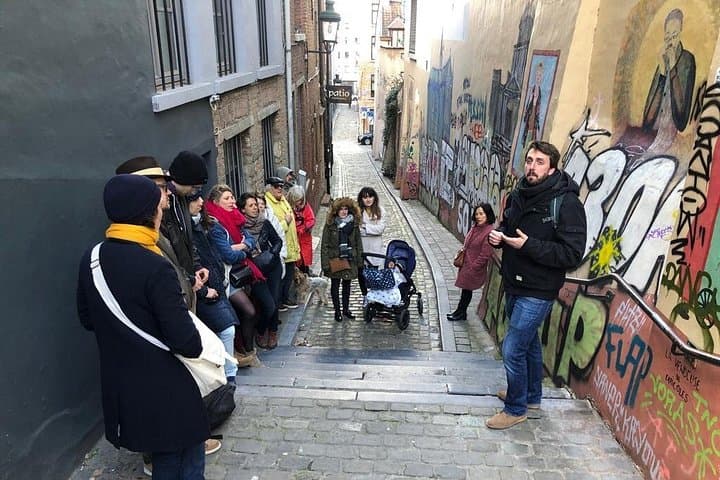
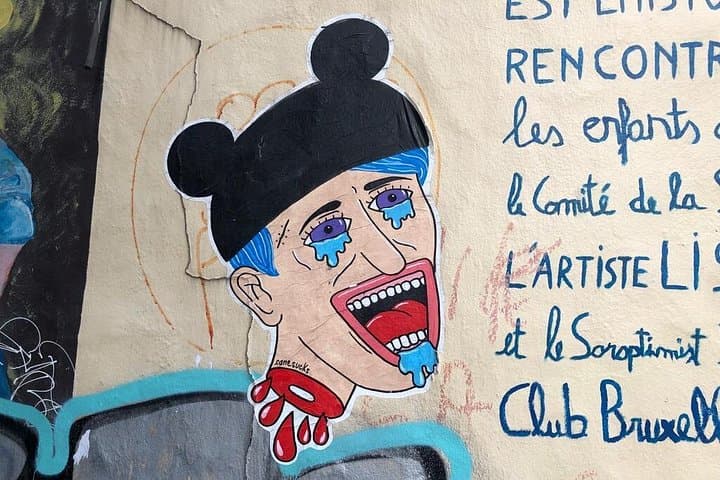
You step off the tram and the Marolles greets you with a chorus of footfalls on worn cobbles and the sharp tang of frying oil from a nearby friterie. Narrow streets angle toward low brick houses, graffiti marking disputes past and present; the quarter feels like a city that argues with itself — and wins.
You step off the tram and the Marolles greets you with a chorus of footfalls on worn cobbles and the sharp tang of frying oil from a nearby friterie. Narrow streets angle toward low brick houses, graffiti marking disputes past and present; the quarter feels like a city that argues with itself — and wins.
This two-hour guided walk threads through a neighborhood shaped by working-class resistance, post-industrial reinvention, and political theater. Expect stories of tenant fights, botched renovations and preservation battles as you pass a 12th-century church that still rings for Polish masses, the slow-moving scandal of an unfinished public project, and the elevated vantage points that reveal Brussels’ layered rooflines. Geology here is quiet — clay foundations and river-driven terraces underfoot — but culture is loud: daily flea markets, outspoken mural art, and cafés where debates continue over beer and coffee.
Practical guidance: the route covers uneven cobbles and short flights of steps over about 2 km; wear sturdy shoes and bring a light rain layer. Tours accept small groups (up to 25) and are wheelchair-accessible on managed streets, but check with the operator about specific access at individual stops. Start mid-morning to catch the flea market waking, or late afternoon for quieter alleys and busy bars afterward.
Local guides frame history as an ongoing process — you’ll leave with a clear map of past struggles, present tensions, and where to find the neighborhood’s best secondhand finds and quiet viewpoints. Hydrate, wear comfortable shoes, and bring curiosity: the Marolles still has opinions to share.