THE ADVENTURE COLLECTIVE® · Independent discovery and booking for outdoor travel

A two-hour guided loop through Brussels’ heart—Grand Place, Manneken Pis, Les Galeries Royales Saint-Hubert and Royal Theatre Toone—blending history, local lore and shortcut access. Ideal for first-time visitors who want context beyond the guidebook.
A two-hour guided loop through Brussels’ heart—Grand Place, Manneken Pis, Les Galeries Royales Saint-Hubert and Royal Theatre Toone—blending history, local lore and shortcut access. Ideal for first-time visitors who want context beyond the guidebook.
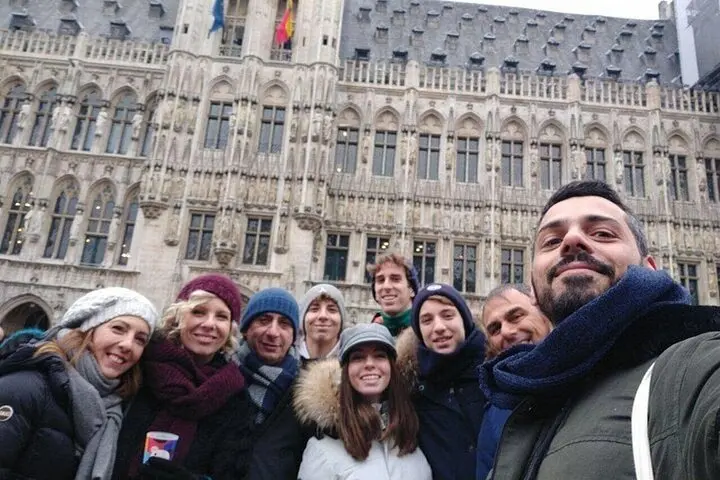
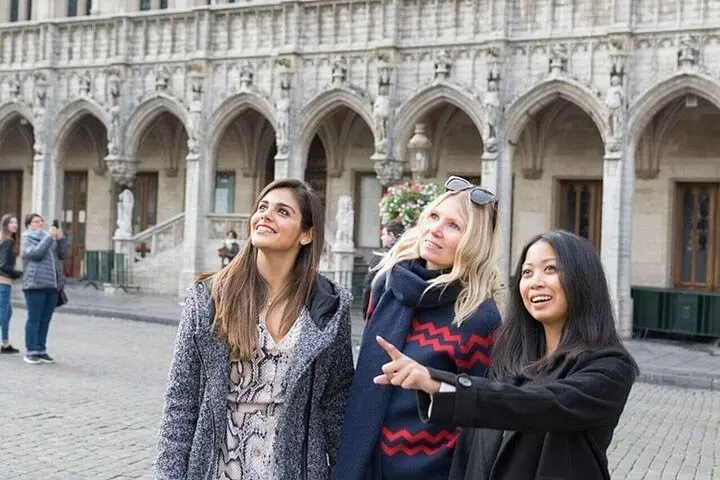
You step out in front of the Vibes shop and the city opens like a map under your feet: Gothic gables rise above tramlines, cobbles click underfoot, and a guide folds centuries of city life into two hours of stories.
Verified experiences and guided adventures in the surrounding area.
Operated by Guydeez · Brussels, Brussels-Capital Region
You step out in front of the Vibes shop and the city opens like a map under your feet: Gothic gables rise above tramlines, cobbles click underfoot, and a guide folds centuries of city life into two hours of stories.
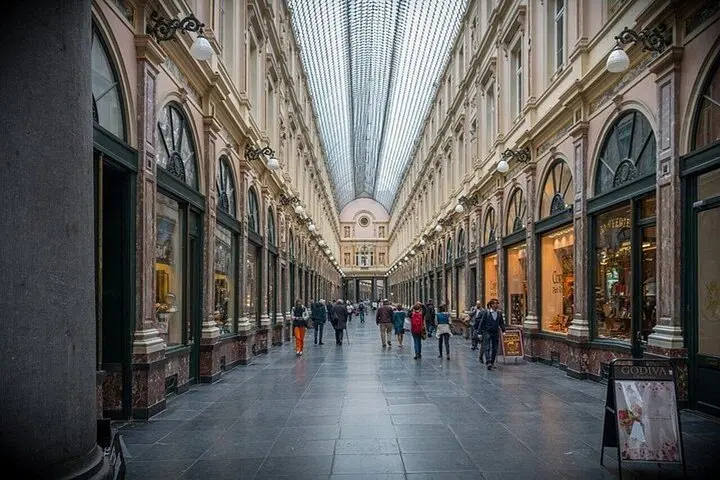
The route threads St. Nicholas Church, the ornate Grand Place and its medieval tavern, Maison Dandoy’s biscuits, the irreverent Manneken Pis and Jeanneke-Pis, Jacques Brel’s statue, and the glazed arcades of Les Galeries Royales Saint-Hubert before finishing at the wooden stage and cat of Royal Theatre Toone.
Brussels’ center grew from a 10th-century trading settlement into a wealthy guild town; the Grand Place earned UNESCO recognition for its cohesive collection of 17th-century façades. Geologically the site sits on soft alluvial deposits of the Senne valley, which shaped its low, walkable contours. Culturally, expect a mix of Flemish and French-speaking influences, visible in signage, coffee houses, and culinary stops.
Practical guidance: the tour covers roughly 1.5–2 km on mostly cobblestones—flat but uneven—so wear firm-soled shoes. The pace is gentle and family-friendly; multilingual guides explain legends and local facts and can help book additional visits. Public transport is nearby if you arrive by metro or tram.
Bring a small daypack, a reusable water bottle, and a light rain layer—Brussels weather shifts quickly. For photography, the best light tends to be early morning or late afternoon when façades take on warm tones and the square is less crowded.
The tour is two hours and covers about 1.5–2 km on mostly flat but cobbled streets with several stops for stories and photos.
The tour is listed as wheelchair accessible, but some cobblestone sections can be bumpy—contact the operator in advance to confirm arrangements.
Guides are available in English, Spanish, French and Italian; private or small-group options can be customized.
This is primarily an exterior walking tour and visits the interior of Royal Theatre Toone; other monument entry fees are not included but the guide can help book them.
Guydeez operates guided outdoor trips and adventures with an emphasis on safety, stewardship, and memorable experiences.
You step out in front of the Vibes shop and the city opens like a map under your feet: Gothic gables rise above tramlines, cobbles click underfoot, and a guide folds centuries of city life into two hours of stories.
You step out in front of the Vibes shop and the city opens like a map under your feet: Gothic gables rise above tramlines, cobbles click underfoot, and a guide folds centuries of city life into two hours of stories.
The route threads St. Nicholas Church, the ornate Grand Place and its medieval tavern, Maison Dandoy’s biscuits, the irreverent Manneken Pis and Jeanneke-Pis, Jacques Brel’s statue, and the glazed arcades of Les Galeries Royales Saint-Hubert before finishing at the wooden stage and cat of Royal Theatre Toone.
Brussels’ center grew from a 10th-century trading settlement into a wealthy guild town; the Grand Place earned UNESCO recognition for its cohesive collection of 17th-century façades. Geologically the site sits on soft alluvial deposits of the Senne valley, which shaped its low, walkable contours. Culturally, expect a mix of Flemish and French-speaking influences, visible in signage, coffee houses, and culinary stops.
Practical guidance: the tour covers roughly 1.5–2 km on mostly cobblestones—flat but uneven—so wear firm-soled shoes. The pace is gentle and family-friendly; multilingual guides explain legends and local facts and can help book additional visits. Public transport is nearby if you arrive by metro or tram.
Bring a small daypack, a reusable water bottle, and a light rain layer—Brussels weather shifts quickly. For photography, the best light tends to be early morning or late afternoon when façades take on warm tones and the square is less crowded.