THE ADVENTURE COLLECTIVE® · Independent discovery and booking for outdoor travel

Watch the hoodoos ignite at sunrise and descend into the amphitheater on the Queen’s Garden Trail with an expert guide. This full-day small-group tour pairs top rim viewpoints with a moderate hike and focused naturalist insight.
Watch the hoodoos ignite at sunrise and descend into the amphitheater on the Queen’s Garden Trail with an expert guide. This full-day small-group tour pairs top rim viewpoints with a moderate hike and focused naturalist insight.
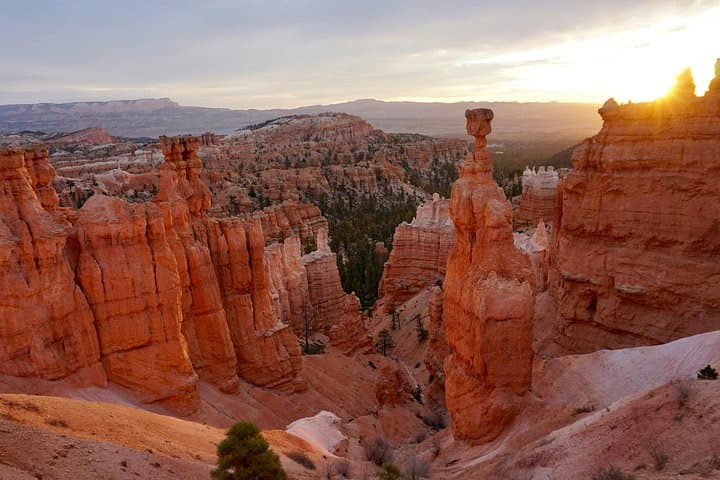
You step out of the van before dawn and the air cuts clean and thin. Headlamps fade as the eastern rim bleeds color into hoodoos that stand like a city of carved spires—each one catching light and shadow like a slow-motion lantern. The guide counts heads, folds maps into pockets, and points toward Bryce Point where the amphitheater will ignite with sunrise.
Verified experiences and guided adventures in the surrounding area.
Operated by Good Trip Adventures · Bryce Canyon City, Utah
You step out of the van before dawn and the air cuts clean and thin. Headlamps fade as the eastern rim bleeds color into hoodoos that stand like a city of carved spires—each one catching light and shadow like a slow-motion lantern. The guide counts heads, folds maps into pockets, and points toward Bryce Point where the amphitheater will ignite with sunrise.
Bryce Canyon’s cliffs are not a canyon in the usual sense but an eroded amphitheater carved from the Claron Formation. Sediments laid down 50–60 million years ago were uplifted and then sculpted by frost, rain, and wind into the hoodoos you see now. The park’s geological story reads like layers of climate change: soft volcanic ash and limestone turned to sculptural stone. Cultural history sits quietly here too—Paiute oral traditions interpret these rock columns as people turned to stone, a reminder the place has long been more than a view.
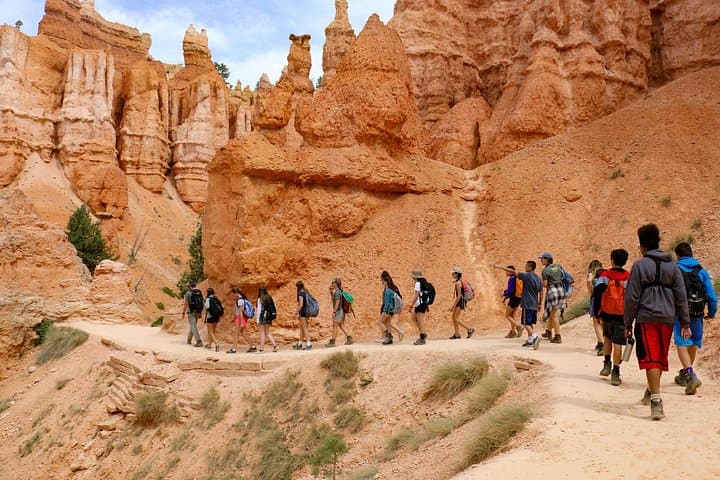
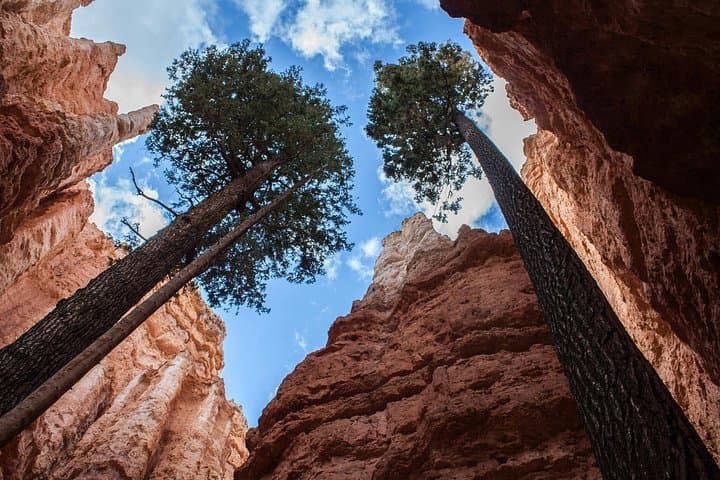
On a full-day small-group tour with a cap of eight hikers, you get more than a postcard. The itinerary threads the best rim viewpoints—Sunset, Sunrise, Inspiration, Bryce Point—and opens into the canyon on the Queen’s Garden Trail, a descent of about 320 feet that’s commonly cited as the easiest way into the amphitheater. The guide parses geology and flora as you walk: how the frost-action splits rock, where pinyon pines find footing on shale, and which gullies hold resident mule deer at dusk.
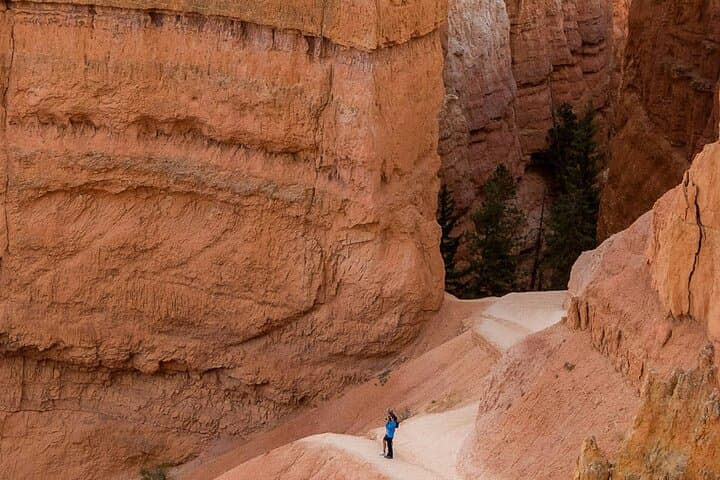
The terrain alternates sandstone terraces, narrow switchbacks, and packed dirt that can become powdery or slick depending on season. Expect up to 6 miles and 5 hours of walking spread through stops and short hikes; longer options exist if the group is keen. Because the park sits near 8,000–9,000 feet elevation, pace matters—legs tire faster and the light thins earlier.
Practical notes: park entry fees are covered and snacks/beverages are provided, but bring a full 1–2 liter water bottle, sun protection, and sturdy footwear with good tread. Dress in layers for sharp temperature swings—mornings can be frosty even in summer. The tour returns you to the shuttle stop mid-to-late afternoon; guides will message final details 24–48 hours ahead. If minimum bookings aren’t met, you’ll be offered a private upgrade or refund.
This is a day of geology, wind-sculpted silhouettes, and deliberate pacing—an approachable way to walk into Bryce’s most iconic amphitheater with someone who can tell you why the rocks stand the way they do and where to look for quiet wildlife between the viewpoints.
The tour includes up to about 5 hours of walking spread across viewpoints and hikes, totaling up to approximately 6 miles depending on the group’s chosen route.
Yes—this tour is suitable for most ages and fitness levels, but participants should be able to handle moderate walks and manage altitude-related fatigue.
Yes, park entry fees are included in the tour price according to the itinerary details.
Start times vary seasonally with many departing at dawn for sunrise viewpoints; tours typically return you to the shuttle stop around mid- to late-afternoon (about 3–4 PM).
If minimums aren’t met you’ll be offered the option to upgrade to a private tour for an extra fee or to cancel for a full refund.
Guides provide snacks and beverages, but packing a hearty lunch and extra snacks is recommended if you prefer specific dietary items or need more fuel.
Good Trip Adventures operates guided outdoor trips and adventures with an emphasis on safety, stewardship, and memorable experiences.
You step out of the van before dawn and the air cuts clean and thin. Headlamps fade as the eastern rim bleeds color into hoodoos that stand like a city of carved spires—each one catching light and shadow like a slow-motion lantern. The guide counts heads, folds maps into pockets, and points toward Bryce Point where the amphitheater will ignite with sunrise.
You step out of the van before dawn and the air cuts clean and thin. Headlamps fade as the eastern rim bleeds color into hoodoos that stand like a city of carved spires—each one catching light and shadow like a slow-motion lantern. The guide counts heads, folds maps into pockets, and points toward Bryce Point where the amphitheater will ignite with sunrise.
Bryce Canyon’s cliffs are not a canyon in the usual sense but an eroded amphitheater carved from the Claron Formation. Sediments laid down 50–60 million years ago were uplifted and then sculpted by frost, rain, and wind into the hoodoos you see now. The park’s geological story reads like layers of climate change: soft volcanic ash and limestone turned to sculptural stone. Cultural history sits quietly here too—Paiute oral traditions interpret these rock columns as people turned to stone, a reminder the place has long been more than a view.
On a full-day small-group tour with a cap of eight hikers, you get more than a postcard. The itinerary threads the best rim viewpoints—Sunset, Sunrise, Inspiration, Bryce Point—and opens into the canyon on the Queen’s Garden Trail, a descent of about 320 feet that’s commonly cited as the easiest way into the amphitheater. The guide parses geology and flora as you walk: how the frost-action splits rock, where pinyon pines find footing on shale, and which gullies hold resident mule deer at dusk.
The terrain alternates sandstone terraces, narrow switchbacks, and packed dirt that can become powdery or slick depending on season. Expect up to 6 miles and 5 hours of walking spread through stops and short hikes; longer options exist if the group is keen. Because the park sits near 8,000–9,000 feet elevation, pace matters—legs tire faster and the light thins earlier.
Practical notes: park entry fees are covered and snacks/beverages are provided, but bring a full 1–2 liter water bottle, sun protection, and sturdy footwear with good tread. Dress in layers for sharp temperature swings—mornings can be frosty even in summer. The tour returns you to the shuttle stop mid-to-late afternoon; guides will message final details 24–48 hours ahead. If minimum bookings aren’t met, you’ll be offered a private upgrade or refund.
This is a day of geology, wind-sculpted silhouettes, and deliberate pacing—an approachable way to walk into Bryce’s most iconic amphitheater with someone who can tell you why the rocks stand the way they do and where to look for quiet wildlife between the viewpoints.