THE ADVENTURE COLLECTIVE® · Independent discovery and booking for outdoor travel

Spend three hours with a local guide on a private mini bus tour of Bryce Canyon National Park. Hit the best overlooks, learn the geology behind the hoodoos, and get practical route choices to avoid crowds.
Spend three hours with a local guide on a private mini bus tour of Bryce Canyon National Park. Hit the best overlooks, learn the geology behind the hoodoos, and get practical route choices to avoid crowds.
You step out of the mini bus into thin, dry air that seems to sharpen color the way a lens does—red rock cliffs glint, pinyon pines silhouette against a bowl of sky, and a breeze carries the faint scent of sage. The guide shuts the engine and, for a moment, the canyon takes the lead: hoodoos rising like columns that time has been slowly chiseling, trails sliding away in ridgelines, and a horizon that wants you to look longer.
Verified experiences and guided adventures in the surrounding area.
Operated by Bryce Canyon Scenic Tours · Bryce Canyon City, Utah
You step out of the mini bus into thin, dry air that seems to sharpen color the way a lens does—red rock cliffs glint, pinyon pines silhouette against a bowl of sky, and a breeze carries the faint scent of sage. The guide shuts the engine and, for a moment, the canyon takes the lead: hoodoos rising like columns that time has been slowly chiseling, trails sliding away in ridgelines, and a horizon that wants you to look longer.
This three-hour private tour from Bryce Canyon City is compact but studied: designed by locals who know which overlooks hold the best light and which pullouts avoid the midday jam. The park itself sits on the edge of the Colorado Plateau, where alternating layers of limestone, dolomite and siltstone have been eroded into the amphitheaters of Bryce. Those vertical fins—hoodoos—are the work of frost-wedging and the park’s unique freeze-thaw cycles; the result is one of the most immediately recognizable landscapes in the American West.
Human history threads through the same ground. Paiute people hunted and lived in the region long before homesteaders arrived; settlers later gave names to ridges and trails that still show up on maps. The present-day community around Bryce Canyon City grew to service travelers and, over the past century, adapted to the rhythm of the park’s seasons: shoulder-season quiet, summer crowds, and winter’s stark light.
On this tour you’re not just driven past viewpoints—guides interpret geology, point out local fauna like mule deer and piñon jays, and advise how to see the park when congestion and closures bite into a visit. Because the operation runs small, it’s nimble: the itinerary can shift to chase sunrise or skirt busy overlooks.
Practical notes: the tour is rated easy and requires minimal walking, but elevation matters—Bryce sits above 8,000 feet—so drink water and take it slow your first hour. Dress in layers; the temperature can swing dramatically between the bus, exposed rim, and shaded alcoves. Bring comfortable shoes for short walks, sunscreen and a camera with a wide-angle lens for capturing the amphitheater.
For planning, aim for first light or late afternoon if you want the hoodoos to throw long shadows; mid-morning offers softer crowds. Private status means personalized pace—ask your guide about less-traveled viewpoints or quick stops at historic cabins along the way. Whether you’re a first-time visitor or returning to watch the light change, this three-hour excursion is a concentrated primer on what makes Bryce Canyon National Park both fragile and unforgettable.
The tour runs approximately 3 hours and is conducted by mini bus with short, interpretive stops.
The meeting point is the operator’s office at 1945 UT-12, Bryce Canyon City, with hotel pickup available from select properties—confirm when booking.
Yes—infants must sit on an adult’s lap; the tour is rated easy and suitable for most ages.
Guides make short stops for rim walks and overlooks but the tour does not include extended hikes; it focuses on viewpoints and interpretation.
Bottled water and snacks are included in the tour price.
All sales are final according to the provider; there are no refunds for cancellations and tours may be canceled by the operator for bad weather.
Bryce Canyon Scenic Tours operates guided outdoor trips and adventures with an emphasis on safety, stewardship, and memorable experiences.
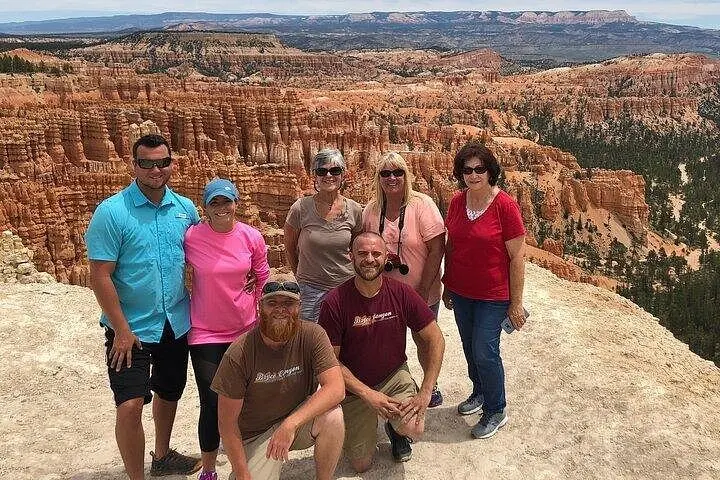
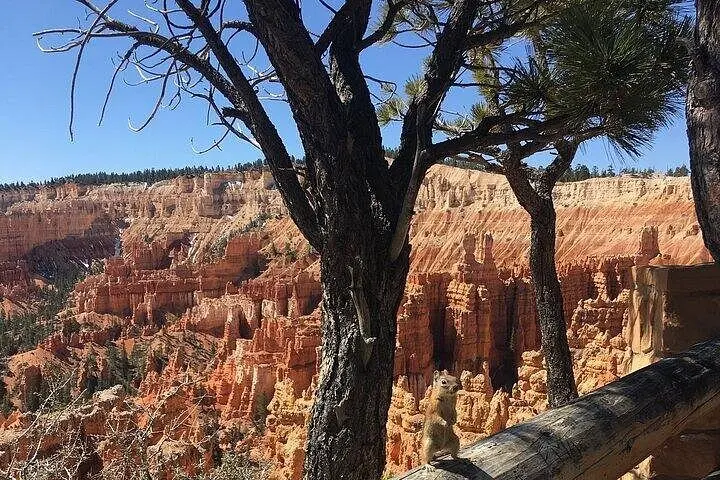
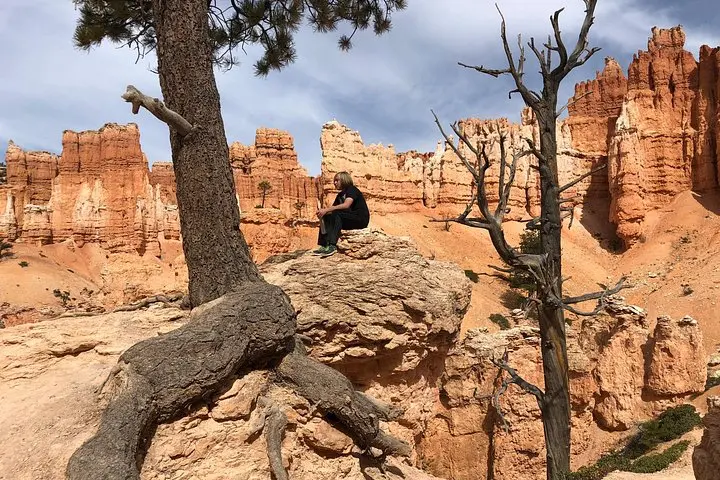
You step out of the mini bus into thin, dry air that seems to sharpen color the way a lens does—red rock cliffs glint, pinyon pines silhouette against a bowl of sky, and a breeze carries the faint scent of sage. The guide shuts the engine and, for a moment, the canyon takes the lead: hoodoos rising like columns that time has been slowly chiseling, trails sliding away in ridgelines, and a horizon that wants you to look longer.
You step out of the mini bus into thin, dry air that seems to sharpen color the way a lens does—red rock cliffs glint, pinyon pines silhouette against a bowl of sky, and a breeze carries the faint scent of sage. The guide shuts the engine and, for a moment, the canyon takes the lead: hoodoos rising like columns that time has been slowly chiseling, trails sliding away in ridgelines, and a horizon that wants you to look longer.
This three-hour private tour from Bryce Canyon City is compact but studied: designed by locals who know which overlooks hold the best light and which pullouts avoid the midday jam. The park itself sits on the edge of the Colorado Plateau, where alternating layers of limestone, dolomite and siltstone have been eroded into the amphitheaters of Bryce. Those vertical fins—hoodoos—are the work of frost-wedging and the park’s unique freeze-thaw cycles; the result is one of the most immediately recognizable landscapes in the American West.
Human history threads through the same ground. Paiute people hunted and lived in the region long before homesteaders arrived; settlers later gave names to ridges and trails that still show up on maps. The present-day community around Bryce Canyon City grew to service travelers and, over the past century, adapted to the rhythm of the park’s seasons: shoulder-season quiet, summer crowds, and winter’s stark light.
On this tour you’re not just driven past viewpoints—guides interpret geology, point out local fauna like mule deer and piñon jays, and advise how to see the park when congestion and closures bite into a visit. Because the operation runs small, it’s nimble: the itinerary can shift to chase sunrise or skirt busy overlooks.
Practical notes: the tour is rated easy and requires minimal walking, but elevation matters—Bryce sits above 8,000 feet—so drink water and take it slow your first hour. Dress in layers; the temperature can swing dramatically between the bus, exposed rim, and shaded alcoves. Bring comfortable shoes for short walks, sunscreen and a camera with a wide-angle lens for capturing the amphitheater.
For planning, aim for first light or late afternoon if you want the hoodoos to throw long shadows; mid-morning offers softer crowds. Private status means personalized pace—ask your guide about less-traveled viewpoints or quick stops at historic cabins along the way. Whether you’re a first-time visitor or returning to watch the light change, this three-hour excursion is a concentrated primer on what makes Bryce Canyon National Park both fragile and unforgettable.