THE ADVENTURE COLLECTIVE® · Independent discovery and booking for outdoor travel

Slide over turquoise water in a covered glass-bottom boat to view Buccoo Reef’s colourful coral gardens, then wade and float on the shallow sandy Nylon Pool. This 3–4 hour day trip blends easy snorkeling, clear views, and local sea lore for a compact Caribbean marine adventure.
Slide over turquoise water in a covered glass-bottom boat to view Buccoo Reef’s colourful coral gardens, then wade and float on the shallow sandy Nylon Pool. This 3–4 hour day trip blends easy snorkeling, clear views, and local sea lore for a compact Caribbean marine adventure.
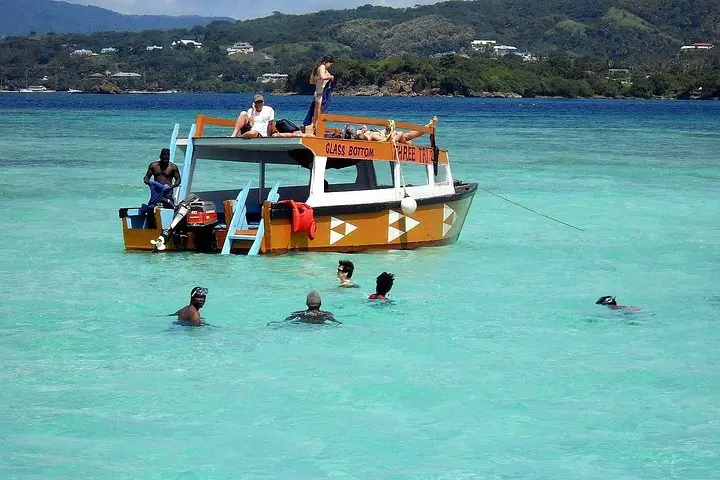
The boat eases away from the low coral shore, a shallow wake that makes the turquoise sheet of sea glitter like glass. A covered craft with a long, clear viewing panel slides over the reef; below, parrotfish and angelfish flick through gardens of hard and soft coral as if moving through a stained-glass window. The breeze carries salt and the steady voice of the guide—practical, local—pointing out species, currents and the next stop: the famous shallow sandbank known as Nylon Pool.
Verified experiences and guided adventures in the surrounding area.
Operated by Island Experiences · Scarborough, Tobago
The boat eases away from the low coral shore, a shallow wake that makes the turquoise sheet of sea glitter like glass. A covered craft with a long, clear viewing panel slides over the reef; below, parrotfish and angelfish flick through gardens of hard and soft coral as if moving through a stained-glass window. The breeze carries salt and the steady voice of the guide—practical, local—pointing out species, currents and the next stop: the famous shallow sandbank known as Nylon Pool.
Buccoo Reef is among Tobago’s most accessible coral formations, sitting off Buccoo Bay in the island’s southwest. Geologically it is a fringe reef built on limestone and ancient shorelines, where coral heads rise from sandy channels. The coral gardens here support a dense cast of tropical fish and seagrass beds, while the Nylon Pool—a waist-deep, white-sand plateau—was long prized by islanders and travelers for its calm, warm water and the local lore that a dip refreshes body and mind.
Culturally, this stretch of coast links small fishing villages, boat builders and guides who have plotted these channels for generations. Listen for the local Creole inflections from the crew; they’ll tell you about fishing seasons, how to move in the water to avoid corals, and the reef’s slow changes from warming seas.
The day unfolds in three practical acts: glass-bottom viewing, guided snorkeling at coral garden spots, then the stop at Nylon Pool for wading or floating. Expect around three to four hours total, with roughly an hour at the reef and thirty minutes at Nylon Pool. Water clarity peaks in the morning; afternoons can be windier and choppier.
To make the most of it, plan light and purposeful: reef-safe sunscreen applied before boarding, a short practice with your snorkel if you’re not confident, and water shoes for scrambling over broken coral near shore. The operator provides limited snorkel gear but bring your own mask if you prefer a tighter fit. If you’re prone to seasickness, take precautions—mornings are calmer, and sitting mid-boat helps.
Respect the reef: don’t touch coral, keep a safe distance from turtles, and use biodegradable products. The experience is part observation, part gentle exertion—easy enough for most travelers but rich in natural detail for anyone who wants to learn the names beneath the surface.
By the time you return to the harbor, salt drying on your shoulders, you’ll have a clear picture of why Tobago’s coral fringe remains one of the Caribbean’s quieter marine corridors: it rewards slow attention and considerate visitors.
The full excursion lasts about 3–4 hours, with roughly an hour at the reef and about 30 minutes at Nylon Pool.
Limited snorkel gear and life jackets are provided, but bringing your own mask is recommended for fit and comfort.
Yes; the water is shallow and staff assist beginners, but basic swimming ability is recommended.
You may spot sea turtles and occasionally dolphins, but wildlife sightings are not guaranteed.
Boat boarding involves steps and low platforms; it may not be suitable for travelers with significant mobility limitations.
Snorkeling and some stops are weather-dependent; check cancellation policy and consider morning departures for calmer conditions.
Island Experiences operates guided outdoor trips and adventures with an emphasis on safety, stewardship, and memorable experiences.
The boat eases away from the low coral shore, a shallow wake that makes the turquoise sheet of sea glitter like glass. A covered craft with a long, clear viewing panel slides over the reef; below, parrotfish and angelfish flick through gardens of hard and soft coral as if moving through a stained-glass window. The breeze carries salt and the steady voice of the guide—practical, local—pointing out species, currents and the next stop: the famous shallow sandbank known as Nylon Pool.
The boat eases away from the low coral shore, a shallow wake that makes the turquoise sheet of sea glitter like glass. A covered craft with a long, clear viewing panel slides over the reef; below, parrotfish and angelfish flick through gardens of hard and soft coral as if moving through a stained-glass window. The breeze carries salt and the steady voice of the guide—practical, local—pointing out species, currents and the next stop: the famous shallow sandbank known as Nylon Pool.
Buccoo Reef is among Tobago’s most accessible coral formations, sitting off Buccoo Bay in the island’s southwest. Geologically it is a fringe reef built on limestone and ancient shorelines, where coral heads rise from sandy channels. The coral gardens here support a dense cast of tropical fish and seagrass beds, while the Nylon Pool—a waist-deep, white-sand plateau—was long prized by islanders and travelers for its calm, warm water and the local lore that a dip refreshes body and mind.
Culturally, this stretch of coast links small fishing villages, boat builders and guides who have plotted these channels for generations. Listen for the local Creole inflections from the crew; they’ll tell you about fishing seasons, how to move in the water to avoid corals, and the reef’s slow changes from warming seas.
The day unfolds in three practical acts: glass-bottom viewing, guided snorkeling at coral garden spots, then the stop at Nylon Pool for wading or floating. Expect around three to four hours total, with roughly an hour at the reef and thirty minutes at Nylon Pool. Water clarity peaks in the morning; afternoons can be windier and choppier.
To make the most of it, plan light and purposeful: reef-safe sunscreen applied before boarding, a short practice with your snorkel if you’re not confident, and water shoes for scrambling over broken coral near shore. The operator provides limited snorkel gear but bring your own mask if you prefer a tighter fit. If you’re prone to seasickness, take precautions—mornings are calmer, and sitting mid-boat helps.
Respect the reef: don’t touch coral, keep a safe distance from turtles, and use biodegradable products. The experience is part observation, part gentle exertion—easy enough for most travelers but rich in natural detail for anyone who wants to learn the names beneath the surface.
By the time you return to the harbor, salt drying on your shoulders, you’ll have a clear picture of why Tobago’s coral fringe remains one of the Caribbean’s quieter marine corridors: it rewards slow attention and considerate visitors.