THE ADVENTURE COLLECTIVE® · Independent discovery and booking for outdoor travel
Cycle four hours through Bucharest’s Cold War landmarks, from the Palace of the Parliament to unfinished megaprojects. This guided tour combines accessible urban riding with in-depth history and local perspective.
Cycle four hours through Bucharest’s Cold War landmarks, from the Palace of the Parliament to unfinished megaprojects. This guided tour combines accessible urban riding with in-depth history and local perspective.
You push off from a wide boulevard and the city opens like a map of choices: wide avenues that once marched parades, narrow lanes that still hold pre-war cafés, and concrete blocks that stare back with the blunt logic of ideology.
Verified experiences and guided adventures in the surrounding area.
Operated by Bike the City · Bucharest, Bucharest
You push off from a wide boulevard and the city opens like a map of choices: wide avenues that once marched parades, narrow lanes that still hold pre-war cafés, and concrete blocks that stare back with the blunt logic of ideology.
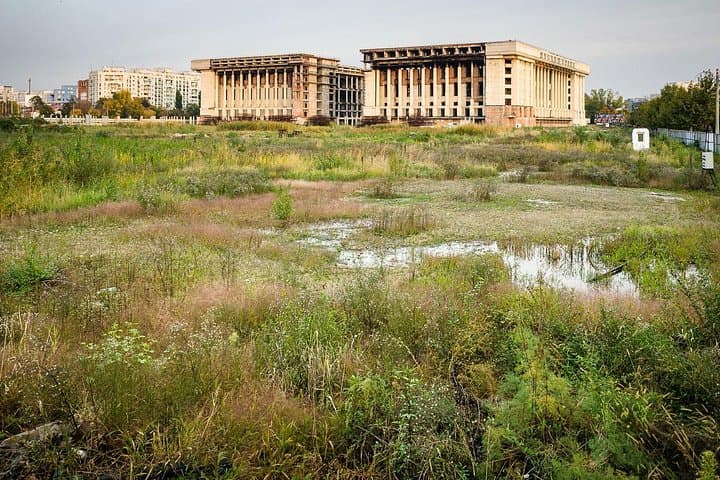
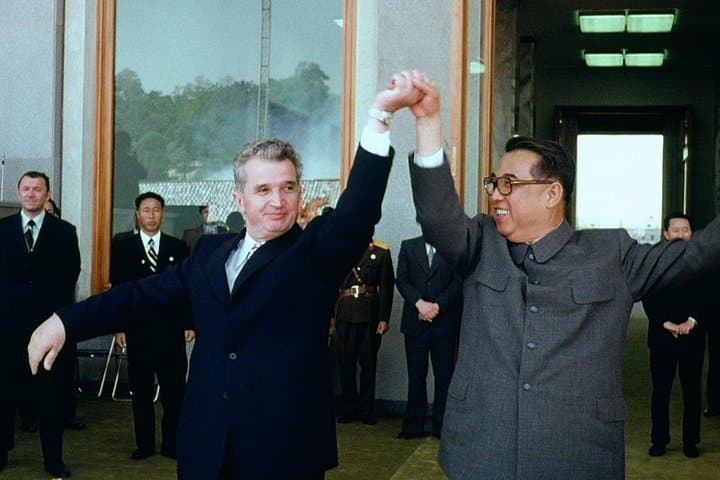
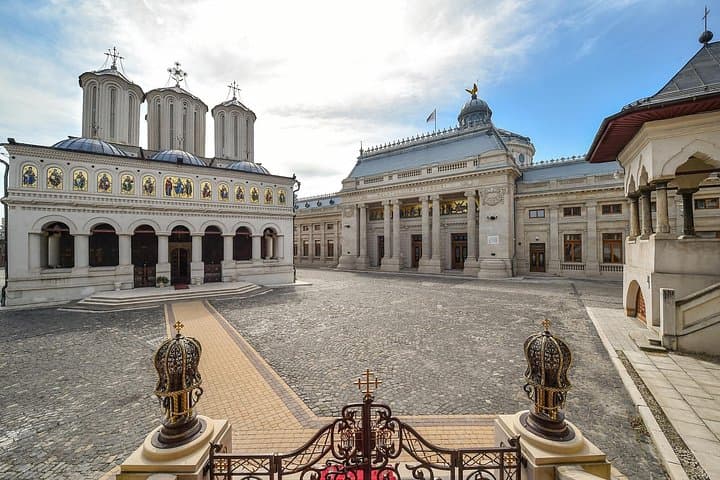
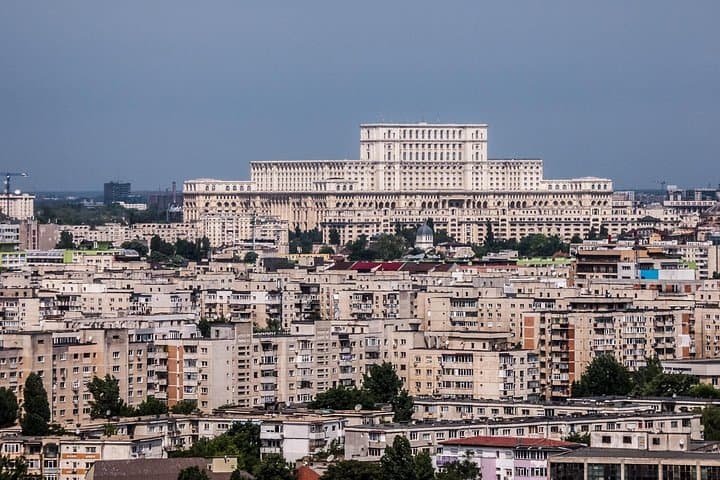
This four-hour guided loop threads through Bucharest’s most visible communist-era scars and surprises. Riders pause at the Old City to compare pre-communist social life with the drastic remaking under Ceaușescu, then roll toward the Palace of the Parliament — the second-largest administrative building on earth — where scale and ambition are the story. The route passes elite Stalinist neighborhoods, the unfinished Casa Radio and the large incomplete museum projects that reflect planning excess and economic strain. Expect a mix of interwar architecture, Soviet-style apartment blocks, and the reclaimed public spaces of the post-1989 city.
Geology here is quiet — a flat plain along the Dâmbovița River — so the ride is about history and urban design rather than elevation. Cultural context arrives in anecdotes from guides: how rationing, surveillance and propaganda shaped daily life, and how the Revolution changed public memory.
Practical notes: the tour covers mostly paved streets with short cobbled sections and light urban traffic; estimated distance is 8–12 km with minimal elevation. Bring a helmet, water, closed-toe shoes and a light jacket for sudden rain. Morning slots avoid rush-hour traffic and summer heat. Expect frequent stops for stories, photographs and to stretch legs — this is a listening ride as much as a cycling one.
Most operators supply well-maintained city or hybrid bikes and helmets; confirm in your booking and request the right size in advance.
Children may join if accompanied by an adult and able to cycle safely for the duration; infant seats may be available—check with the operator.
Only basic bike handling and comfort in mixed city traffic are required; guides keep pace moderate with frequent stops.
Standard cancellation policies often require 24-hour notice for a full refund; operators may reschedule or cancel if conditions are unsafe.
Bike the City operates guided outdoor trips and adventures with an emphasis on safety, stewardship, and memorable experiences.
You push off from a wide boulevard and the city opens like a map of choices: wide avenues that once marched parades, narrow lanes that still hold pre-war cafés, and concrete blocks that stare back with the blunt logic of ideology.
You push off from a wide boulevard and the city opens like a map of choices: wide avenues that once marched parades, narrow lanes that still hold pre-war cafés, and concrete blocks that stare back with the blunt logic of ideology.
This four-hour guided loop threads through Bucharest’s most visible communist-era scars and surprises. Riders pause at the Old City to compare pre-communist social life with the drastic remaking under Ceaușescu, then roll toward the Palace of the Parliament — the second-largest administrative building on earth — where scale and ambition are the story. The route passes elite Stalinist neighborhoods, the unfinished Casa Radio and the large incomplete museum projects that reflect planning excess and economic strain. Expect a mix of interwar architecture, Soviet-style apartment blocks, and the reclaimed public spaces of the post-1989 city.
Geology here is quiet — a flat plain along the Dâmbovița River — so the ride is about history and urban design rather than elevation. Cultural context arrives in anecdotes from guides: how rationing, surveillance and propaganda shaped daily life, and how the Revolution changed public memory.
Practical notes: the tour covers mostly paved streets with short cobbled sections and light urban traffic; estimated distance is 8–12 km with minimal elevation. Bring a helmet, water, closed-toe shoes and a light jacket for sudden rain. Morning slots avoid rush-hour traffic and summer heat. Expect frequent stops for stories, photographs and to stretch legs — this is a listening ride as much as a cycling one.
