THE ADVENTURE COLLECTIVE® · Independent discovery and booking for outdoor travel

A focused two‑hour walking tour through Bucharest’s Old Town and civic core, moving from the historic Manuc's Inn to the calm lanes of Cismigiu Park. Expect architectural highlights, compact cultural context, and practical tips for navigating the city on foot.
A focused two‑hour walking tour through Bucharest’s Old Town and civic core, moving from the historic Manuc's Inn to the calm lanes of Cismigiu Park. Expect architectural highlights, compact cultural context, and practical tips for navigating the city on foot.
Morning light slips between neo-classical facades as the guide leads a small group past the arched entrance of Manuc's Inn, the clack of footsteps on old stone setting the pace. The walk threads through Lipscani's narrow lanes where traders once bartered—Hanul Gabroveni still hums with workshops and cafes—before opening onto the ornate facade of the CEC Palace and the quiet courtyard of Stavropoleos Monastery.
Verified experiences and guided adventures in the surrounding area.
Operated by Guydeez · Bucharest, Bucharest
Morning light slips between neo-classical facades as the guide leads a small group past the arched entrance of Manuc's Inn, the clack of footsteps on old stone setting the pace. The walk threads through Lipscani's narrow lanes where traders once bartered—Hanul Gabroveni still hums with workshops and cafes—before opening onto the ornate facade of the CEC Palace and the quiet courtyard of Stavropoleos Monastery.
Bucharest sits on the Romanian Plain and beside the Dâmbovița River; its street plan was reshaped by 19th‑century modernization and again under communist urban planning. The Royal Palace and Sala Palatului mark those political shifts in stone, while covered arcades like the Macca‑Villacrosse Passage reveal the city's European salon culture. Local life mixes with history here: sidewalk cafés, a thriving second‑hand book scene, and artisans repairing plaster and ironwork by hand.
Practically speaking, this two‑hour walk covers mostly flat, paved surfaces and brief courtyard steps; it’s accessible for most mobility levels and suitable for families. Expect light commentary on architecture, politics, and culture rather than detailed museum tours—the itinerary does not include monument admission. Aim for morning to avoid tour‑bus crowds, listen for tram bells at major intersections, and plan 20–30 minutes extra if you want to enter a museum or bookstore along the route.
By the time the group reaches Cismigiu Park the trees have a presence of their own, shading paths and watching over the lake—an easy, reflective end to a compact urban primer on Bucharest.
No. The tour focuses on exterior views and contextual commentary; individual entry fees for museums or the Royal Palace are not covered.
Most areas on the route are accessible and the tour description notes wheelchair accessibility, though some historic courtyards and passages may have thresholds or narrow sections.
Guides are available in English, Spanish, or French for in‑person bookings; confirm language when you reserve.
Meetings commonly begin near Manuc's Inn in the Old Town and conclude in Cismigiu Park; exact meeting points are provided by the operator at booking.
Guydeez operates guided outdoor trips and adventures with an emphasis on safety, stewardship, and memorable experiences.
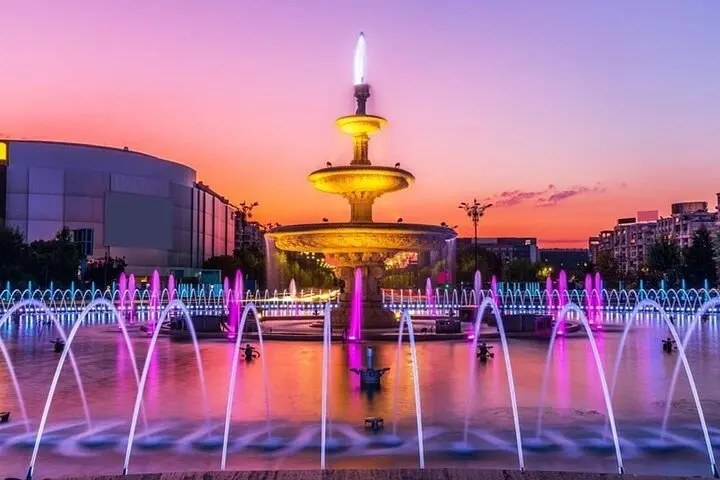
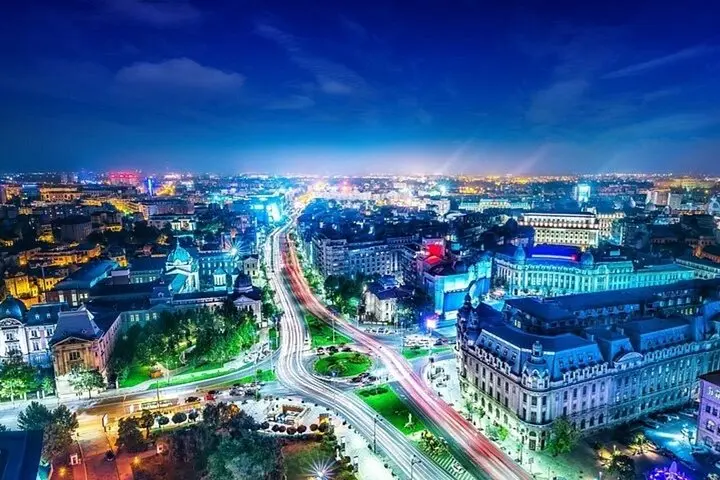
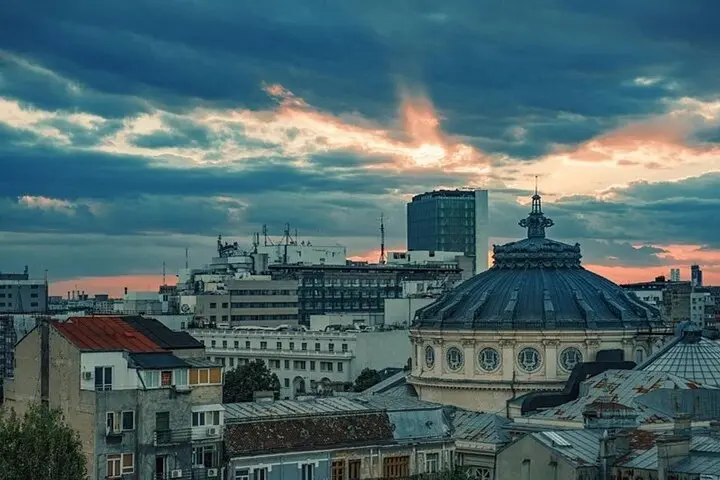
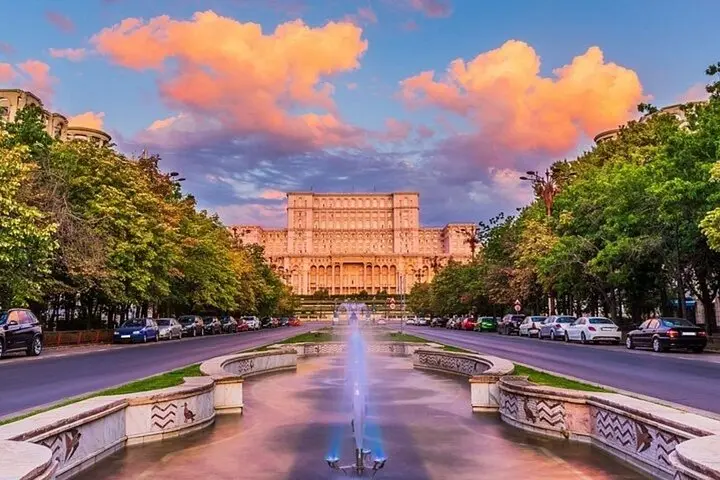
Morning light slips between neo-classical facades as the guide leads a small group past the arched entrance of Manuc's Inn, the clack of footsteps on old stone setting the pace. The walk threads through Lipscani's narrow lanes where traders once bartered—Hanul Gabroveni still hums with workshops and cafes—before opening onto the ornate facade of the CEC Palace and the quiet courtyard of Stavropoleos Monastery.
Morning light slips between neo-classical facades as the guide leads a small group past the arched entrance of Manuc's Inn, the clack of footsteps on old stone setting the pace. The walk threads through Lipscani's narrow lanes where traders once bartered—Hanul Gabroveni still hums with workshops and cafes—before opening onto the ornate facade of the CEC Palace and the quiet courtyard of Stavropoleos Monastery.
Bucharest sits on the Romanian Plain and beside the Dâmbovița River; its street plan was reshaped by 19th‑century modernization and again under communist urban planning. The Royal Palace and Sala Palatului mark those political shifts in stone, while covered arcades like the Macca‑Villacrosse Passage reveal the city's European salon culture. Local life mixes with history here: sidewalk cafés, a thriving second‑hand book scene, and artisans repairing plaster and ironwork by hand.
Practically speaking, this two‑hour walk covers mostly flat, paved surfaces and brief courtyard steps; it’s accessible for most mobility levels and suitable for families. Expect light commentary on architecture, politics, and culture rather than detailed museum tours—the itinerary does not include monument admission. Aim for morning to avoid tour‑bus crowds, listen for tram bells at major intersections, and plan 20–30 minutes extra if you want to enter a museum or bookstore along the route.
By the time the group reaches Cismigiu Park the trees have a presence of their own, shading paths and watching over the lake—an easy, reflective end to a compact urban primer on Bucharest.