THE ADVENTURE COLLECTIVE® · Independent discovery and booking for outdoor travel

Taste five classic Budapest street foods while your guide navigates neighborhoods and markets, explaining the city’s culinary history. This four-hour walking tour mixes savory and sweet tastings with practical local insights.
Taste five classic Budapest street foods while your guide navigates neighborhoods and markets, explaining the city’s culinary history. This four-hour walking tour mixes savory and sweet tastings with practical local insights.
You step off the tram into a patchwork of cobbles, steam curling from a frying pan as the scent of paprika and caramelized sugar threads between buildings. A vendor slides a golden langos toward you; a chimney cake waits on a corner; the Danube murmurs a few blocks away. This is Budapest on foot — a city where culinary history meets the everyday rhythm of markets and neighborhood bars.
Verified experiences and guided adventures in the surrounding area.
Operated by Living Local Hungary · Budapest, Budapest
You step off the tram into a patchwork of cobbles, steam curling from a frying pan as the scent of paprika and caramelized sugar threads between buildings. A vendor slides a golden langos toward you; a chimney cake waits on a corner; the Danube murmurs a few blocks away. This is Budapest on foot — a city where culinary history meets the everyday rhythm of markets and neighborhood bars.
The city’s food tells its past: Austro-Hungarian pastry techniques sit beside Ottoman-era spices and rural Hungarian ingredients. The neighborhoods you walk through were shaped by the Danube’s floodplain and by waves of migration; narrow streets reveal 19th-century architecture and modest stalls that kept the working city fed for generations.
On this private, four-hour tasting tour you’ll sample five classic street foods — typically langos, chimney cake (kürtőskalács), goulash soup, a savory snack, and a seasonal sweet — while moving between vendors across mostly flat, cobbled streets (expect roughly 2–4 km of walking and minimal elevation). Guides pair bites with short stories about ingredients, where to buy paprika, and how Budapest’s food culture shifted after socialism and into today’s vibrant market scene.
Practical notes: wear supportive shoes for uneven pavement, bring a small bag for samples, and keep water handy. Many stops accept cards but small change can speed service. The tour is wheelchair accessible in principle, though some vendor surfaces are uneven; check with the operator if accessibility is crucial.
This walk balances tasting with context — you’ll eat like a local while learning what made these flavors stick around.
The tour lasts about four hours with roughly 2–4 km of walking across mostly flat, cobbled streets; it’s paced for casual walkers with frequent tasting stops.
Yes—inform the operator when booking about allergies or dietary preferences so alternate tastings can be arranged where possible.
The tour is described as wheelchair accessible, but some vendor areas and cobbles can be uneven; contact the operator ahead to confirm specific accessibility needs.
Tipping guides is customary in Budapest (around 10–15% of the tour cost if satisfied); tipping vendors isn’t expected but appreciated for exceptional service.
Living Local Hungary operates guided outdoor trips and adventures with an emphasis on safety, stewardship, and memorable experiences.

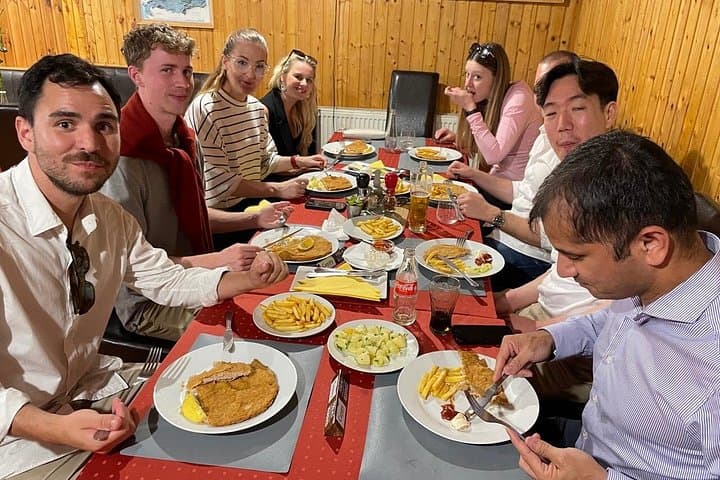
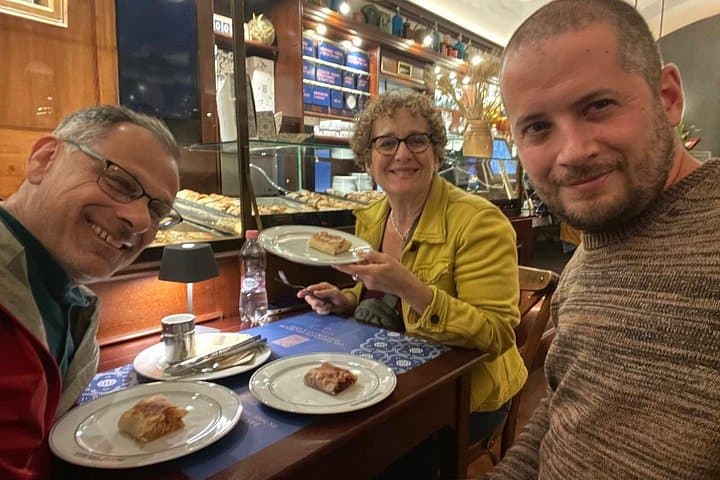
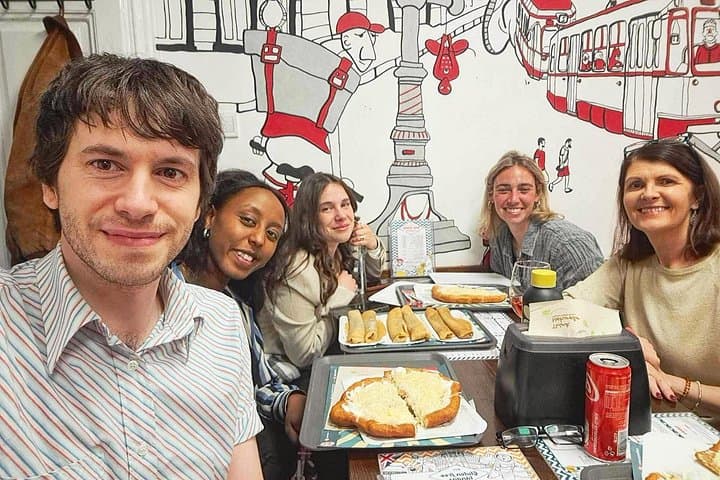
You step off the tram into a patchwork of cobbles, steam curling from a frying pan as the scent of paprika and caramelized sugar threads between buildings. A vendor slides a golden langos toward you; a chimney cake waits on a corner; the Danube murmurs a few blocks away. This is Budapest on foot — a city where culinary history meets the everyday rhythm of markets and neighborhood bars.
You step off the tram into a patchwork of cobbles, steam curling from a frying pan as the scent of paprika and caramelized sugar threads between buildings. A vendor slides a golden langos toward you; a chimney cake waits on a corner; the Danube murmurs a few blocks away. This is Budapest on foot — a city where culinary history meets the everyday rhythm of markets and neighborhood bars.
The city’s food tells its past: Austro-Hungarian pastry techniques sit beside Ottoman-era spices and rural Hungarian ingredients. The neighborhoods you walk through were shaped by the Danube’s floodplain and by waves of migration; narrow streets reveal 19th-century architecture and modest stalls that kept the working city fed for generations.
On this private, four-hour tasting tour you’ll sample five classic street foods — typically langos, chimney cake (kürtőskalács), goulash soup, a savory snack, and a seasonal sweet — while moving between vendors across mostly flat, cobbled streets (expect roughly 2–4 km of walking and minimal elevation). Guides pair bites with short stories about ingredients, where to buy paprika, and how Budapest’s food culture shifted after socialism and into today’s vibrant market scene.
Practical notes: wear supportive shoes for uneven pavement, bring a small bag for samples, and keep water handy. Many stops accept cards but small change can speed service. The tour is wheelchair accessible in principle, though some vendor surfaces are uneven; check with the operator if accessibility is crucial.
This walk balances tasting with context — you’ll eat like a local while learning what made these flavors stick around.