THE ADVENTURE COLLECTIVE® · Independent discovery and booking for outdoor travel

Walk the heart of Budapest at your own pace—riverside views, iconic bridges and ornate churches framed by Roman, Ottoman and Austro‑Hungarian history. This 90‑minute self‑guided route mixes vivid cityscapes with practical navigation and local context.
Walk the heart of Budapest at your own pace—riverside views, iconic bridges and ornate churches framed by Roman, Ottoman and Austro‑Hungarian history. This 90‑minute self‑guided route mixes vivid cityscapes with practical navigation and local context.
The Danube pushes a steady, gray sweep past the Pest embankment as the city’s façades line up like chapters waiting to be read. On this self-guided walk, travelers move at their own pace from riverside panoramas to grand squares, following stone bridges, historic squares and quiet side streets that reveal Budapest’s layered past.
Verified experiences and guided adventures in the surrounding area.
Operated by Tourific · Budapest, Budapest
The Danube pushes a steady, gray sweep past the Pest embankment as the city’s façades line up like chapters waiting to be read. On this self-guided walk, travelers move at their own pace from riverside panoramas to grand squares, following stone bridges, historic squares and quiet side streets that reveal Budapest’s layered past.
The route threads through eras: Roman riverside use, Ottoman baths that transformed local bathing culture, and Austro-Hungarian architecture that gave the city its ornate civic face. Geology is part of the story—the Danube’s terraces and the limestone and volcanic outcrops of the Buda hills shaped where bridges and fortifications rose, while thermal springs under the city explain the abundance of baths and spas.
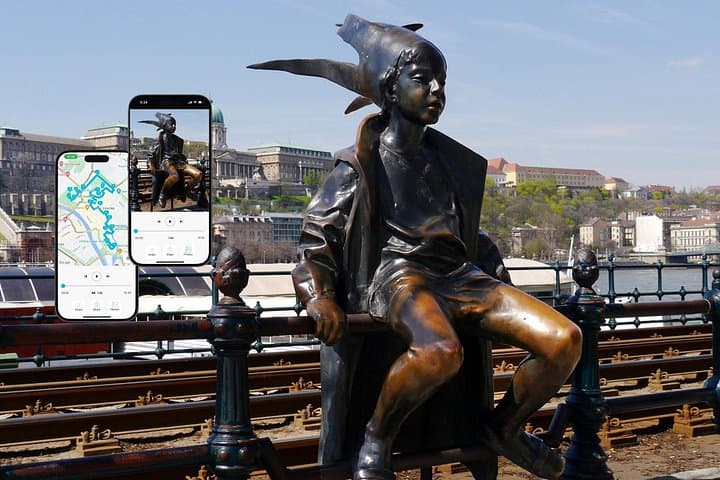
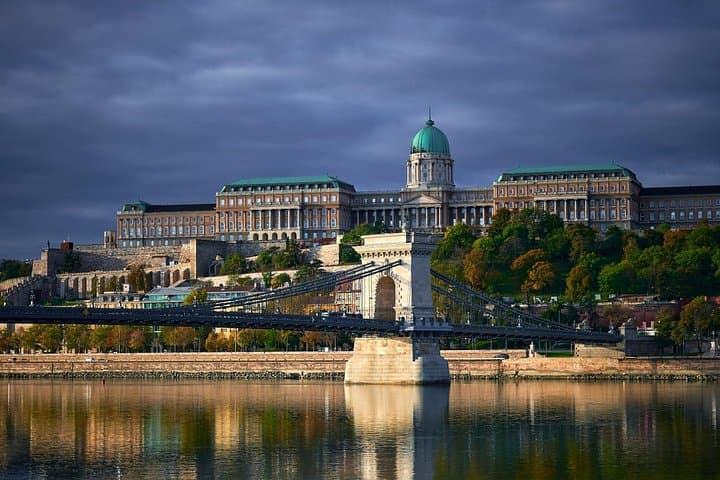
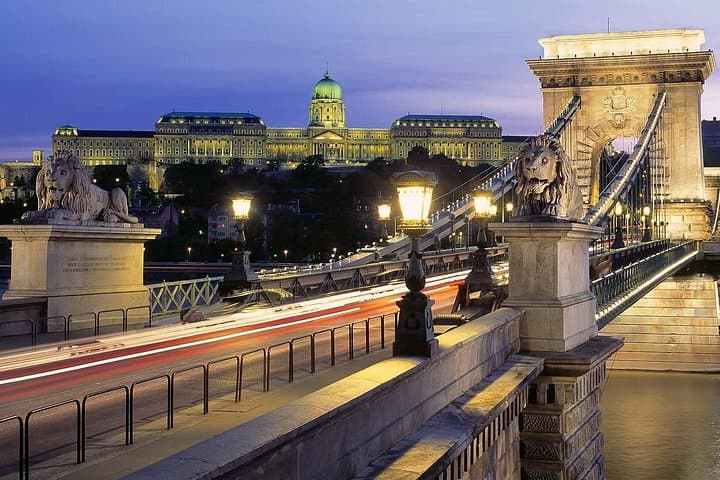
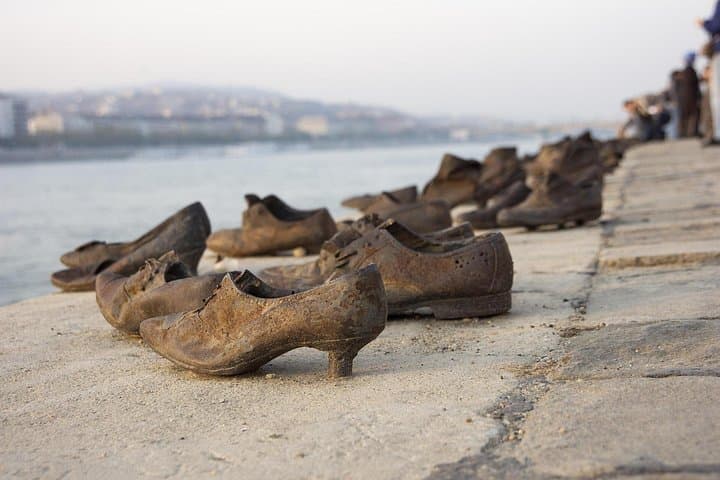
Along the way, expect cultural touchpoints: coffeehouse rituals, references to Hungarian science and Nobel laureates, and monuments that mark 20th‑century politics. The walk includes photo-ready stops—ornate bridges, a poignant riverside memorial, and St. Stephen’s Basilica with its panoramic viewing terrace.
Practically: the 90‑minute itinerary covers mostly flat pavement with some steps around viewpoints and church approaches. Download the offline guide before you set out; the app provides images, short histories, and navigation so you can pause as you wish. Aim for morning light for photography and fewer crowds, carry water, and wear supportive shoes for cobbles and short flights of steps. Respect memorial sites and the quiet of churches; this is an urban route that rewards curiosity, timing, and good footwear.
No—the self‑guided tour is available on demand; download and begin when it suits your schedule within the access period.
Much of the riverside promenade and major squares are paved and accessible, but some viewpoints and church approaches include steps—check individual stop notes in the app.
The tour provides written and audio guide content in the languages listed in the app—confirm available languages before download.
Yes—public transport is nearby for longer connections, but the suggested route is walkable end‑to‑end in about 90 minutes.
Tourific operates guided outdoor trips and adventures with an emphasis on safety, stewardship, and memorable experiences.
The Danube pushes a steady, gray sweep past the Pest embankment as the city’s façades line up like chapters waiting to be read. On this self-guided walk, travelers move at their own pace from riverside panoramas to grand squares, following stone bridges, historic squares and quiet side streets that reveal Budapest’s layered past.
The Danube pushes a steady, gray sweep past the Pest embankment as the city’s façades line up like chapters waiting to be read. On this self-guided walk, travelers move at their own pace from riverside panoramas to grand squares, following stone bridges, historic squares and quiet side streets that reveal Budapest’s layered past.
The route threads through eras: Roman riverside use, Ottoman baths that transformed local bathing culture, and Austro-Hungarian architecture that gave the city its ornate civic face. Geology is part of the story—the Danube’s terraces and the limestone and volcanic outcrops of the Buda hills shaped where bridges and fortifications rose, while thermal springs under the city explain the abundance of baths and spas.
Along the way, expect cultural touchpoints: coffeehouse rituals, references to Hungarian science and Nobel laureates, and monuments that mark 20th‑century politics. The walk includes photo-ready stops—ornate bridges, a poignant riverside memorial, and St. Stephen’s Basilica with its panoramic viewing terrace.
Practically: the 90‑minute itinerary covers mostly flat pavement with some steps around viewpoints and church approaches. Download the offline guide before you set out; the app provides images, short histories, and navigation so you can pause as you wish. Aim for morning light for photography and fewer crowds, carry water, and wear supportive shoes for cobbles and short flights of steps. Respect memorial sites and the quiet of churches; this is an urban route that rewards curiosity, timing, and good footwear.