THE ADVENTURE COLLECTIVE® · Independent discovery and booking for outdoor travel

From Budapest’s castle terraces to Dubrovnik’s ancient walls, this 11-day loop through Hungary, Slovenia, Croatia and Bosnia blends big landscapes with intimate cultural encounters. Expect caves, lakes, coastal drives and local food stops—packed into a single, well-paced itinerary.
From Budapest’s castle terraces to Dubrovnik’s ancient walls, this 11-day loop through Hungary, Slovenia, Croatia and Bosnia blends big landscapes with intimate cultural encounters. Expect caves, lakes, coastal drives and local food stops—packed into a single, well-paced itinerary.
A ribbon of highway unfurls out of Budapest at dawn, the Danube daring you to keep up as the city’s grand facades blur into rolling farmland. On day one the itinerary introduces itself with Buda Castle’s ramparts and a thermal bath soak—the kind of slow, deliberate start that feels designed to wake both legs and curiosity. Over eleven days the route threads through capitals, karst caves, lakes that whisper and islands that hold centuries of salt-stained stories.
Verified experiences and guided adventures in the surrounding area.
Operated by Zico Tours · Budapest, Budapest
A ribbon of highway unfurls out of Budapest at dawn, the Danube daring you to keep up as the city’s grand facades blur into rolling farmland. On day one the itinerary introduces itself with Buda Castle’s ramparts and a thermal bath soak—the kind of slow, deliberate start that feels designed to wake both legs and curiosity. Over eleven days the route threads through capitals, karst caves, lakes that whisper and islands that hold centuries of salt-stained stories.
This is a trip of contrasts: Austro-Hungarian boulevards give way to Istrian Roman stone, Slovenia’s Alpine lakes yield to the limestone caves of Postojna, and Bosnia’s Ottoman echoes preside over Mostar’s iconic Old Bridge. Geology plays a starring role—karst topography sculpts hidden rivers and underground galleries that Postojna’s little electric train slips into, while Plitvice’s travertine terraces spill water in a deliberate choreography shaped by mineral deposition and plant life.
Culturally the tour is a layered education. Budapest hums with coffeehouse politics and thermal rituals; Zagreb balances Austro-Hungarian formality with a bohemian café scene; Ljubljana offers compact, walkable charm; Dalmatia unfurls Roman ruins, Venetian fortresses and an island-speckled coastline whose seafood markets still follow centuries-old rhythms. Local guides stitch context into every stop—burek tasting in Mostar, a commentary on Diocletian’s pragmatic urban grid in Split, and the evening hush from Dubrovnik’s walls that explains why the city both charms and strains under visitor pressure.
Practicalities are straightforward but matter: expect daily walking tours of 2–4 hours, transfers between cities by private coach, and a mix of included admissions (Plitvice, Postojna, select palaces). The pace is curated for curious travelers who prefer guided orientation with room to explore independently in afternoons.
Packing is about layers and sensible footwear—cobblestones and wooden boardwalks demand grip; coastal breezes demand a wind layer. Currency shifts across borders (Hungary uses forint; most other stops use euro; Bosnia uses BAM), so plan small cash and cards. Peak-season crowds cluster in Dubrovnik and Plitvice; choose shoulder seasons (late spring or early fall) to dodge heat and lines.
For travelers who want a compact but rich survey of the western Balkans, this route delivers landscape, history and food in measured doses. Bring a charged camera, good walking shoes and a readiness to let sweeping views, sudden ruins and local flavors set the tempo.
Some dinners and specific tastings (for example, a welcome dinner and a burek tasting in Mostar) are included; check the itinerary for daily inclusions and expect several lunches on your own.
Hungary uses the forint (HUF); Croatia and Slovenia use the euro (EUR); Bosnia and Herzegovina uses the convertible marka (BAM). Cards are widely accepted but carry small bills for markets and tips.
The tour includes historic sites with stairs and uneven surfaces (Plitvice boardwalks, Dubrovnik walls) and daily walking—it’s best suited to travelers who can manage moderate walking; notify the operator of accessibility needs in advance.
Each day combines guided mornings or afternoons with free time—cities like Split and Dubrovnik include longer free periods for independent exploration after guided highlights.
All travelers need a valid passport; visa requirements depend on your nationality—check entry rules for each country on the route (Hungary, Slovenia, Croatia, Bosnia and Herzegovina) well before travel.
Guides typically provide commentary in English; multilingual guides may be available depending on the group—confirm language preferences at booking.
Zico Tours operates guided outdoor trips and adventures with an emphasis on safety, stewardship, and memorable experiences.

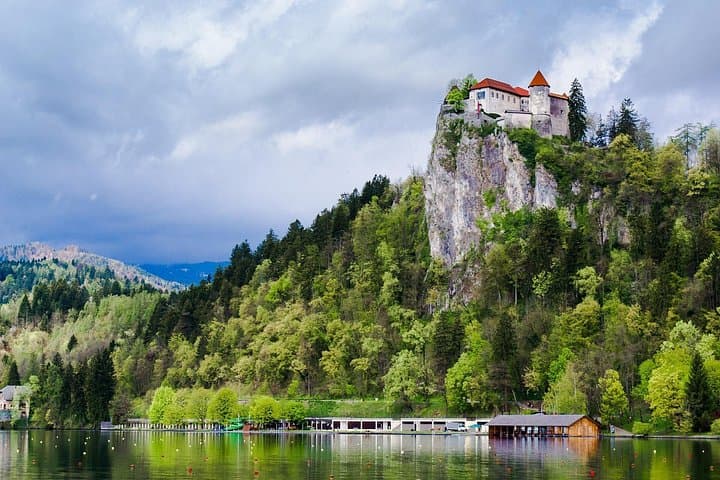


A ribbon of highway unfurls out of Budapest at dawn, the Danube daring you to keep up as the city’s grand facades blur into rolling farmland. On day one the itinerary introduces itself with Buda Castle’s ramparts and a thermal bath soak—the kind of slow, deliberate start that feels designed to wake both legs and curiosity. Over eleven days the route threads through capitals, karst caves, lakes that whisper and islands that hold centuries of salt-stained stories.
A ribbon of highway unfurls out of Budapest at dawn, the Danube daring you to keep up as the city’s grand facades blur into rolling farmland. On day one the itinerary introduces itself with Buda Castle’s ramparts and a thermal bath soak—the kind of slow, deliberate start that feels designed to wake both legs and curiosity. Over eleven days the route threads through capitals, karst caves, lakes that whisper and islands that hold centuries of salt-stained stories.
This is a trip of contrasts: Austro-Hungarian boulevards give way to Istrian Roman stone, Slovenia’s Alpine lakes yield to the limestone caves of Postojna, and Bosnia’s Ottoman echoes preside over Mostar’s iconic Old Bridge. Geology plays a starring role—karst topography sculpts hidden rivers and underground galleries that Postojna’s little electric train slips into, while Plitvice’s travertine terraces spill water in a deliberate choreography shaped by mineral deposition and plant life.
Culturally the tour is a layered education. Budapest hums with coffeehouse politics and thermal rituals; Zagreb balances Austro-Hungarian formality with a bohemian café scene; Ljubljana offers compact, walkable charm; Dalmatia unfurls Roman ruins, Venetian fortresses and an island-speckled coastline whose seafood markets still follow centuries-old rhythms. Local guides stitch context into every stop—burek tasting in Mostar, a commentary on Diocletian’s pragmatic urban grid in Split, and the evening hush from Dubrovnik’s walls that explains why the city both charms and strains under visitor pressure.
Practicalities are straightforward but matter: expect daily walking tours of 2–4 hours, transfers between cities by private coach, and a mix of included admissions (Plitvice, Postojna, select palaces). The pace is curated for curious travelers who prefer guided orientation with room to explore independently in afternoons.
Packing is about layers and sensible footwear—cobblestones and wooden boardwalks demand grip; coastal breezes demand a wind layer. Currency shifts across borders (Hungary uses forint; most other stops use euro; Bosnia uses BAM), so plan small cash and cards. Peak-season crowds cluster in Dubrovnik and Plitvice; choose shoulder seasons (late spring or early fall) to dodge heat and lines.
For travelers who want a compact but rich survey of the western Balkans, this route delivers landscape, history and food in measured doses. Bring a charged camera, good walking shoes and a readiness to let sweeping views, sudden ruins and local flavors set the tempo.