THE ADVENTURE COLLECTIVE® · Independent discovery and booking for outdoor travel

Travel from the Himalayan foothills to the Terai plains on an eight-day tour that pairs sacred Buddhist sites with wildlife-rich Chitwan. Expect short hikes, scenic drives, and guided safaris with cultural stops in Kathmandu and Pokhara.
Travel from the Himalayan foothills to the Terai plains on an eight-day tour that pairs sacred Buddhist sites with wildlife-rich Chitwan. Expect short hikes, scenic drives, and guided safaris with cultural stops in Kathmandu and Pokhara.
You arrive in Kathmandu before dawn; the city hums—honking taxis, temple bells, the scent of fresh momo from a street stall—then the road unwinds west toward hill towns and, eventually, the broad Terai plains. By day three you’re on Sarangkot, watching the sun climb the Annapurna skyline; by midweek you stand before the Ashoka Pillar in Lumbini, where history and legend meet in a compact sacred garden.
Verified experiences and guided adventures in the surrounding area.
Operated by Osho world Adventure · Lumbini, Lumbini Province
You arrive in Kathmandu before dawn; the city hums—honking taxis, temple bells, the scent of fresh momo from a street stall—then the road unwinds west toward hill towns and, eventually, the broad Terai plains. By day three you’re on Sarangkot, watching the sun climb the Annapurna skyline; by midweek you stand before the Ashoka Pillar in Lumbini, where history and legend meet in a compact sacred garden.
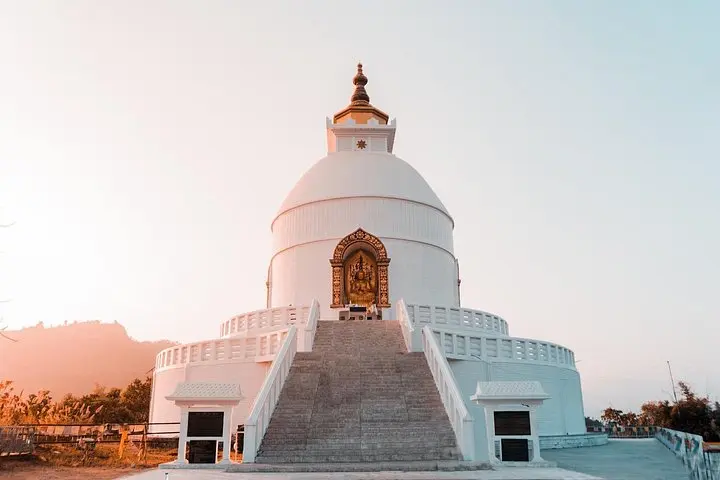
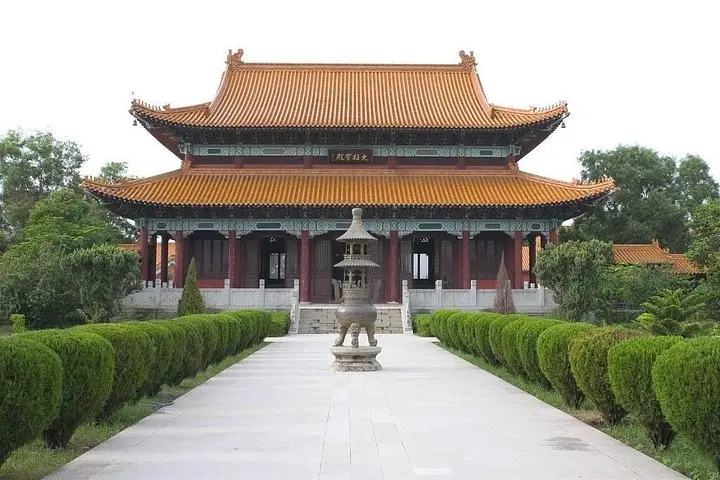
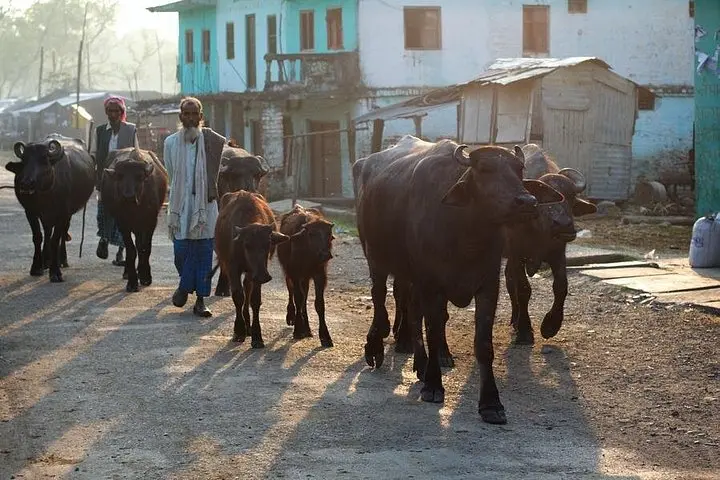
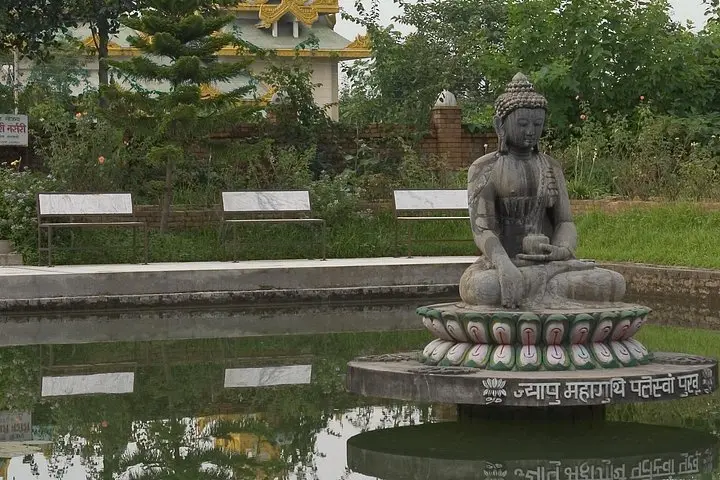
Lumbini sits on alluvial plains once skirted by ancient rivers; the Ashoka Pillar (3rd century BCE) marks the traditional birthplace of Siddhartha Gautama. Geologically the journey moves from the young, folded Himalaya around Pokhara to the flat, sediment-rich Terai where Chitwan National Park preserves floodplain forest and tall grass ecosystems. Culturally, the tour threads Newar and Tharu traditions—Kathmandu’s Durbar Square showcases medieval palace craftsmanship, while Chitwan’s village programs spotlight Tharu dance and river-based livelihoods.
Expect easy, guided walking in UNESCO sites, a short climb at Sarangkot (15–25 minutes), motor transfers between cities (4–7 hours each), and curated wildlife activities in Chitwan: silent dugout canoeing, jeep safari, and a visit to the elephant breeding center. Wildlife sightings are possible but never guaranteed—rhino and sloth-bearing birds are the stars here.
Practical guidance: pack layered clothing for variable elevations, a rain shell for monsoon months, and comfortable trekking shoes for short hikes and village walks. Carry local currency for markets and tips, a basic first-aid kit, and a reusable water bottle—the packaged itinerary covers hotels, most meals, transport, and licensed guides, so focus on staying hydrated and pacing yourself across long drives.
Many nationalities require a tourist visa for Nepal; you can obtain one on arrival at Tribhuvan International Airport or arrange an e-visa in advance—check current embassy rules before travel.
No high-altitude trekking is included; the highest short walk is Sarangkot (1,600–1,800 m). Most travelers adapt well, but bring basic meds if you’re sensitive to elevation changes.
Guided canoe trips and jeep safaris commonly report sightings of greater one-horned rhinoceros, Asian elephants, deer, and diverse waterbirds; tigers are present but sightings are rare and never guaranteed.
Yes—twin-share hotel accommodations and most meals (breakfasts and specified lunches/dinners) are included; check the itinerary for meals provided on each day.
Osho world Adventure operates guided outdoor trips and adventures with an emphasis on safety, stewardship, and memorable experiences.
You arrive in Kathmandu before dawn; the city hums—honking taxis, temple bells, the scent of fresh momo from a street stall—then the road unwinds west toward hill towns and, eventually, the broad Terai plains. By day three you’re on Sarangkot, watching the sun climb the Annapurna skyline; by midweek you stand before the Ashoka Pillar in Lumbini, where history and legend meet in a compact sacred garden.
You arrive in Kathmandu before dawn; the city hums—honking taxis, temple bells, the scent of fresh momo from a street stall—then the road unwinds west toward hill towns and, eventually, the broad Terai plains. By day three you’re on Sarangkot, watching the sun climb the Annapurna skyline; by midweek you stand before the Ashoka Pillar in Lumbini, where history and legend meet in a compact sacred garden.
Lumbini sits on alluvial plains once skirted by ancient rivers; the Ashoka Pillar (3rd century BCE) marks the traditional birthplace of Siddhartha Gautama. Geologically the journey moves from the young, folded Himalaya around Pokhara to the flat, sediment-rich Terai where Chitwan National Park preserves floodplain forest and tall grass ecosystems. Culturally, the tour threads Newar and Tharu traditions—Kathmandu’s Durbar Square showcases medieval palace craftsmanship, while Chitwan’s village programs spotlight Tharu dance and river-based livelihoods.
Expect easy, guided walking in UNESCO sites, a short climb at Sarangkot (15–25 minutes), motor transfers between cities (4–7 hours each), and curated wildlife activities in Chitwan: silent dugout canoeing, jeep safari, and a visit to the elephant breeding center. Wildlife sightings are possible but never guaranteed—rhino and sloth-bearing birds are the stars here.
Practical guidance: pack layered clothing for variable elevations, a rain shell for monsoon months, and comfortable trekking shoes for short hikes and village walks. Carry local currency for markets and tips, a basic first-aid kit, and a reusable water bottle—the packaged itinerary covers hotels, most meals, transport, and licensed guides, so focus on staying hydrated and pacing yourself across long drives.