THE ADVENTURE COLLECTIVE® · Independent discovery and booking for outdoor travel

Two days of focused safari across Tarangire’s baobab-scattered plains and the wildlife-dense Ngorongoro Crater. Expect big herds, early starts, and an immersive crash course in East African ecology and Maasai culture.
Two days of focused safari across Tarangire’s baobab-scattered plains and the wildlife-dense Ngorongoro Crater. Expect big herds, early starts, and an immersive crash course in East African ecology and Maasai culture.
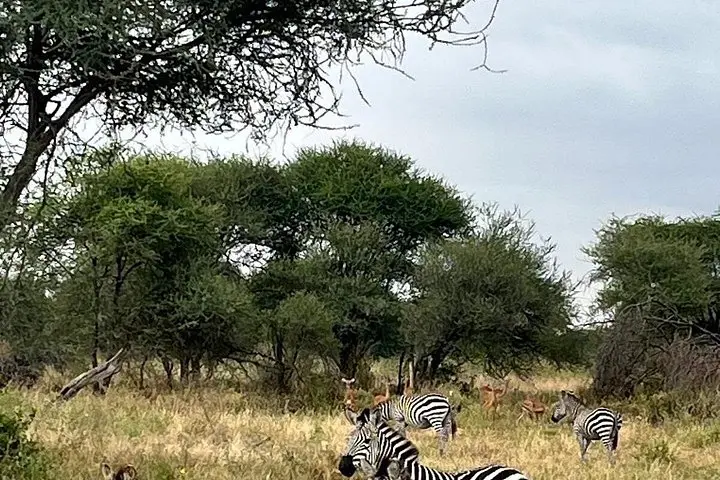
Dawn breaks over a landscape that feels older than history itself — baobab silhouettes stand like slow-breathing giants and the Tarangire River pulls wildlife toward its banks. On day one the jeep moves through gritted dust and shimmering heat, elephants threading between acacia, plains stretching away like a waiting map.
Verified experiences and guided adventures in the surrounding area.
Operated by Kibo Mawenzi Safaris · Arusha, Arusha Region
Dawn breaks over a landscape that feels older than history itself — baobab silhouettes stand like slow-breathing giants and the Tarangire River pulls wildlife toward its banks. On day one the jeep moves through gritted dust and shimmering heat, elephants threading between acacia, plains stretching away like a waiting map.
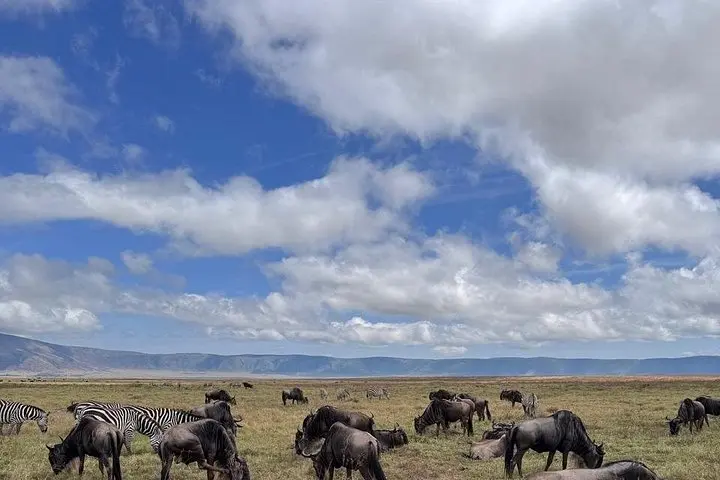
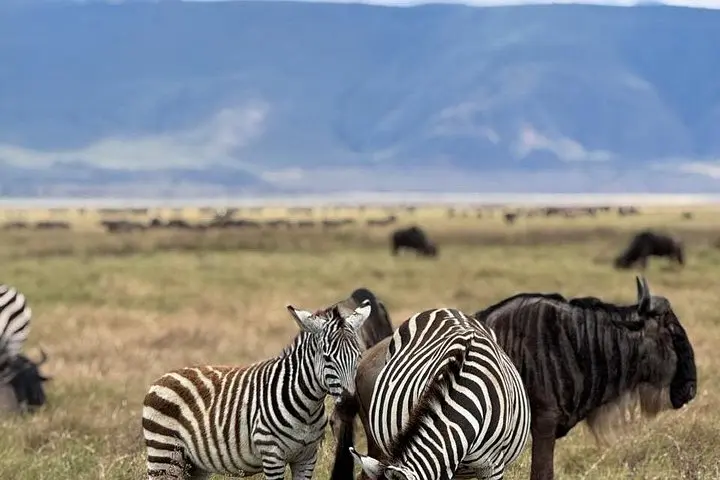
Tarangire’s lowland savanna is known for elephant herds and ancient baobabs; it sits on the eastern Rift and drains into seasonal river systems that shape animal movements. The Ngorongoro Crater is a collapsed volcano—one of the world’s largest intact calderas—where a dense concentration of mammals uses the crater’s varied habitats. Both areas are Maasai country: local pastoralism and oral histories are visible at roadside villages and small market towns like Mto wa Mbu.
Practical guidance: game drives run early and late—expect long hours in an open 4x4 with stops for sightings and a picnic at Hippo Lake. Bring sun protection, a small daypack, and binoculars; keep to your guide’s instructions around wildlife and never exit the vehicle where prohibited. Park entry and conservation fees are significant and, for many operators, included—confirm when you book.
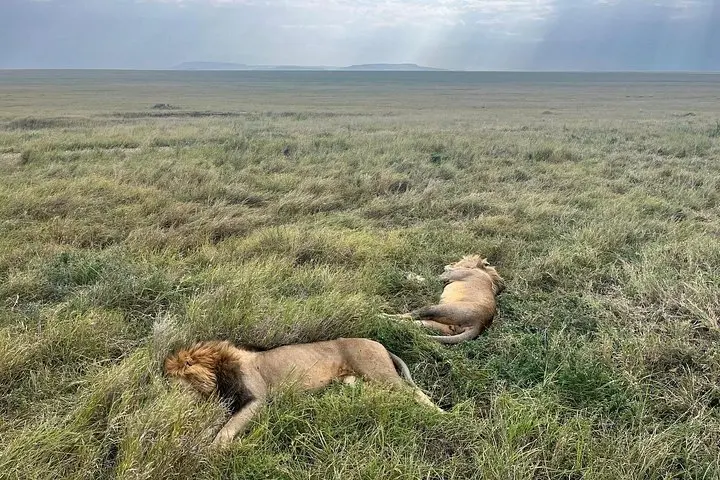
Logistics and rhythm: pickups from Arusha or nearby lodges, a full day in Tarangire, an early descent into Ngorongoro on day two, then return to Arusha or airport. Hydrate between drives, charge camera batteries each evening, and plan clothes for hot days and chilly crater mornings. The land moves slowly here — but it will demand your attention the moment the first lion lifts its head.
Yes—children can join but must be accompanied by an adult; inform the operator of ages when booking for appropriate seating and equipment.
The advertised itinerary lists accommodations, meals, transfers and all fees and taxes as included—confirm specifics with your booking confirmation.
Expect full-day drives: roughly 4–6 hours in Tarangire with stops, and similar time inside Ngorongoro including descent and ascent breaks.
This tour is listed as a private tour; dietary requirements should be advised at booking so guides and lodges can accommodate them.
Kibo Mawenzi Safaris operates guided outdoor trips and adventures with an emphasis on safety, stewardship, and memorable experiences.
Dawn breaks over a landscape that feels older than history itself — baobab silhouettes stand like slow-breathing giants and the Tarangire River pulls wildlife toward its banks. On day one the jeep moves through gritted dust and shimmering heat, elephants threading between acacia, plains stretching away like a waiting map.
Dawn breaks over a landscape that feels older than history itself — baobab silhouettes stand like slow-breathing giants and the Tarangire River pulls wildlife toward its banks. On day one the jeep moves through gritted dust and shimmering heat, elephants threading between acacia, plains stretching away like a waiting map.
Tarangire’s lowland savanna is known for elephant herds and ancient baobabs; it sits on the eastern Rift and drains into seasonal river systems that shape animal movements. The Ngorongoro Crater is a collapsed volcano—one of the world’s largest intact calderas—where a dense concentration of mammals uses the crater’s varied habitats. Both areas are Maasai country: local pastoralism and oral histories are visible at roadside villages and small market towns like Mto wa Mbu.
Practical guidance: game drives run early and late—expect long hours in an open 4x4 with stops for sightings and a picnic at Hippo Lake. Bring sun protection, a small daypack, and binoculars; keep to your guide’s instructions around wildlife and never exit the vehicle where prohibited. Park entry and conservation fees are significant and, for many operators, included—confirm when you book.
Logistics and rhythm: pickups from Arusha or nearby lodges, a full day in Tarangire, an early descent into Ngorongoro on day two, then return to Arusha or airport. Hydrate between drives, charge camera batteries each evening, and plan clothes for hot days and chilly crater mornings. The land moves slowly here — but it will demand your attention the moment the first lion lifts its head.