THE ADVENTURE COLLECTIVE® · Independent discovery and booking for outdoor travel

Three days of shared game drives from Nairobi to the Masai Mara that cover classic wildlife viewing, a Great Rift Valley stop, and budget-friendly camping or lodge nights. Ideal for travelers wanting big-sky wildlife without luxury pricing.
Three days of shared game drives from Nairobi to the Masai Mara that cover classic wildlife viewing, a Great Rift Valley stop, and budget-friendly camping or lodge nights. Ideal for travelers wanting big-sky wildlife without luxury pricing.
Dawn arrives over rolling golden grass and the first termite mounds throw long shadows across the savanna. You step from a dusty 4x4 and the air—warm, dry, and laced with dust—seems to be waiting. The Masai Mara spreads ahead: open plains, acacia-lined riverbanks and the distant ridge of the Oloololo escarpment giving the horizon shape.
Verified experiences and guided adventures in the surrounding area.
Operated by Delfin Tours · Narok, Narok County
Dawn arrives over rolling golden grass and the first termite mounds throw long shadows across the savanna. You step from a dusty 4x4 and the air—warm, dry, and laced with dust—seems to be waiting. The Masai Mara spreads ahead: open plains, acacia-lined riverbanks and the distant ridge of the Oloololo escarpment giving the horizon shape.
This compact, three-day group tour follows the classic Nairobi–Mara corridor, pausing at the Great Rift Valley viewpoint and moving through Narok before lodge check-in and dusk game drives. Geologically, the Mara is part of the Serengeti–Mara ecosystem shaped by tectonic rifting and seasonal river flows; ecologically it supports grassland grazers and apex predators that migrate with the rains. Culturally the Mara shares deep ties with Maasai communities — you’ll pass en route villages and may be offered a village visit as an optional add-on.
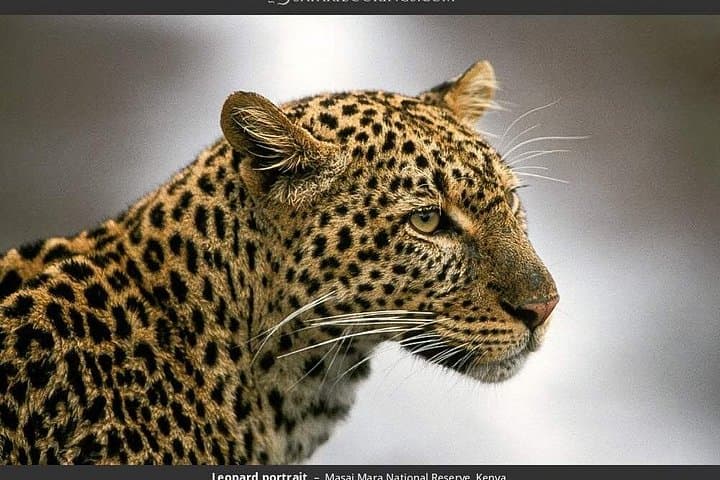
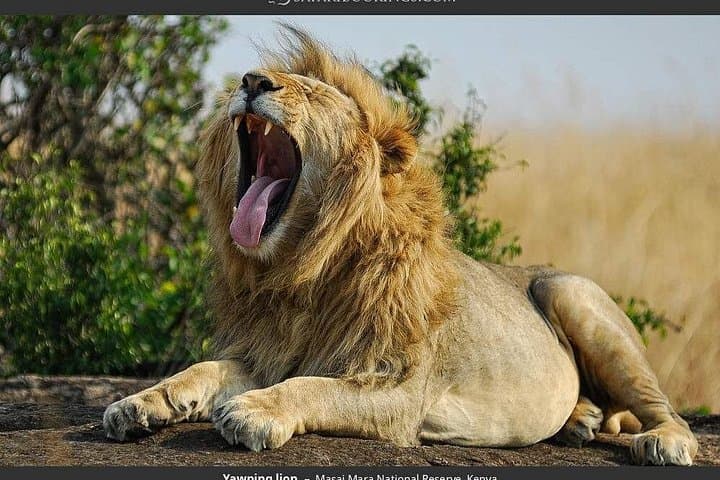
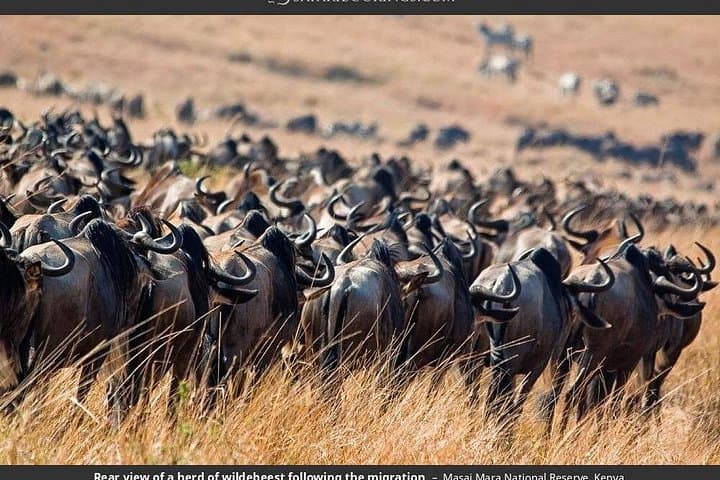
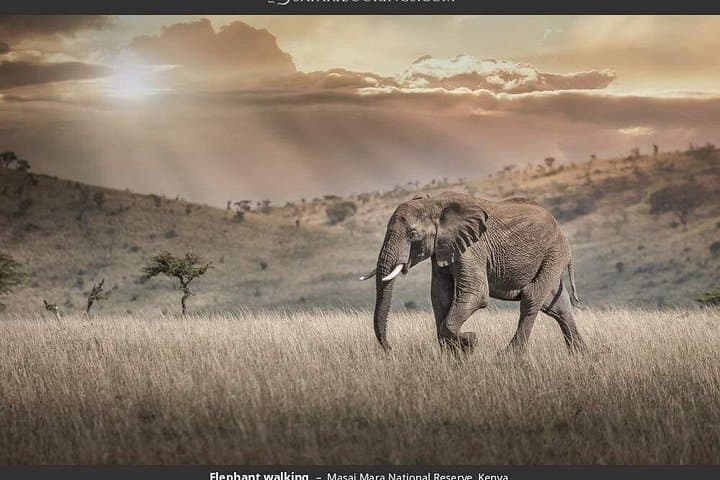
Expect mornings and evenings for the richest sightings: lions on the prowl, elephant families moving to water, and from July to September the river crossings of wildebeest and zebra during the Great Migration. Tracks and dust are part of the experience; roads inside the reserve are unpaved and vehicles are high-clearance 4x4s.
Practical note: bring layered clothing for cool mornings, sun protection for midday, binoculars and a camera with a long lens, and a refillable water bottle. Carry local currency for tips and optional village visits. The itinerary is physically easy but includes long drives—plan rest and malaria precautions accordingly. Follow park rules, keep windows partly closed near predators, and let the landscape move you at its own steady rhythm.
Park fees are listed as included for the full-day game drive day; confirm at booking for any additional conservancy fees or optional extras.
The Mara sees peak river crossings and migration activity typically from July through September, though sightings vary year to year.
Accommodation is budget-friendly shared camp or lodge stays (Lenchada Tourist Camp), offering basic comforts rather than luxury amenities.
Children can join but infants must sit on laps for transport; check age restrictions and safety recommendations with the operator before booking.
Delfin Tours operates guided outdoor trips and adventures with an emphasis on safety, stewardship, and memorable experiences.
Dawn arrives over rolling golden grass and the first termite mounds throw long shadows across the savanna. You step from a dusty 4x4 and the air—warm, dry, and laced with dust—seems to be waiting. The Masai Mara spreads ahead: open plains, acacia-lined riverbanks and the distant ridge of the Oloololo escarpment giving the horizon shape.
Dawn arrives over rolling golden grass and the first termite mounds throw long shadows across the savanna. You step from a dusty 4x4 and the air—warm, dry, and laced with dust—seems to be waiting. The Masai Mara spreads ahead: open plains, acacia-lined riverbanks and the distant ridge of the Oloololo escarpment giving the horizon shape.
This compact, three-day group tour follows the classic Nairobi–Mara corridor, pausing at the Great Rift Valley viewpoint and moving through Narok before lodge check-in and dusk game drives. Geologically, the Mara is part of the Serengeti–Mara ecosystem shaped by tectonic rifting and seasonal river flows; ecologically it supports grassland grazers and apex predators that migrate with the rains. Culturally the Mara shares deep ties with Maasai communities — you’ll pass en route villages and may be offered a village visit as an optional add-on.
Expect mornings and evenings for the richest sightings: lions on the prowl, elephant families moving to water, and from July to September the river crossings of wildebeest and zebra during the Great Migration. Tracks and dust are part of the experience; roads inside the reserve are unpaved and vehicles are high-clearance 4x4s.
Practical note: bring layered clothing for cool mornings, sun protection for midday, binoculars and a camera with a long lens, and a refillable water bottle. Carry local currency for tips and optional village visits. The itinerary is physically easy but includes long drives—plan rest and malaria precautions accordingly. Follow park rules, keep windows partly closed near predators, and let the landscape move you at its own steady rhythm.