THE ADVENTURE COLLECTIVE® · Independent discovery and booking for outdoor travel

Three days of concentrated Tanzania safari from Arusha: Tarangire’s elephant herds, the Ngorongoro Crater’s dense game, and Lake Manyara’s bird-rich shoreline. A budget-friendly camping loop focused on vehicle-based game drives and early-morning viewing.
Three days of concentrated Tanzania safari from Arusha: Tarangire’s elephant herds, the Ngorongoro Crater’s dense game, and Lake Manyara’s bird-rich shoreline. A budget-friendly camping loop focused on vehicle-based game drives and early-morning viewing.
Dawn loosens the dark over Arusha and the road pushes north, a ribbon of dust threading through acacia and baobab.
Verified experiences and guided adventures in the surrounding area.
Operated by Hadzabe Safaris · Arusha, Arusha Region
Dawn loosens the dark over Arusha and the road pushes north, a ribbon of dust threading through acacia and baobab.
This three-day budget safari moves from Tarangire’s elephant concentrations to the ancient bowl of Ngorongoro Crater and a half-day at Lake Manyara — a tight loop of northern Tanzania’s iconic habitats driven in a private vehicle with camping-style nights at a local campsite.
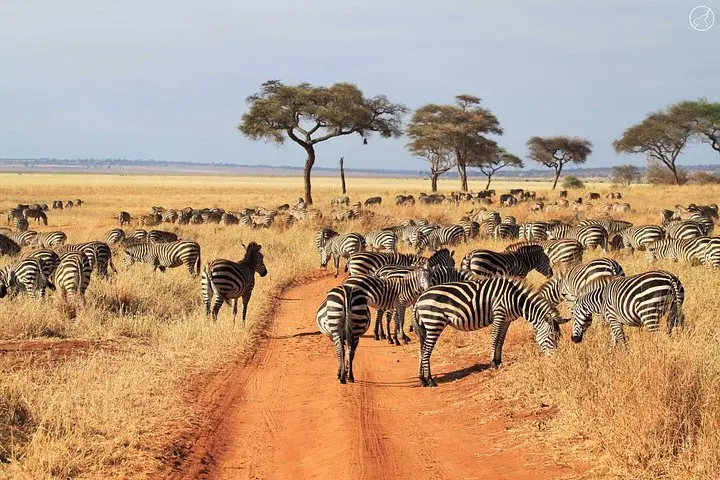
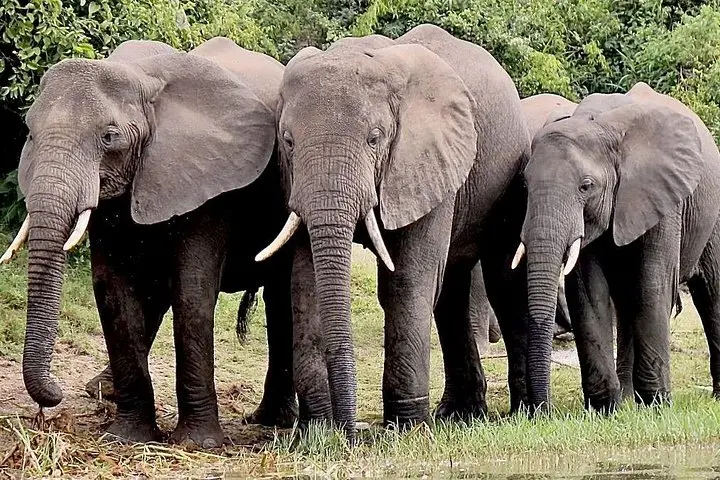
Tarangire’s flat plains and crowded baobabs reveal large herds and the slow, deliberate pace of elephants; the park’s sandy soils and seasonally shifting waterholes shape where animals gather. Ngorongoro is geological theatre — a collapsed volcanic caldera with a dense concentration of plains species and permanent hippo pools. Lake Manyara sits under the Rift’s escarpment and delivers birds in numbers and the occasional tree-climbing lion, the lake’s shoreline calling migratory flocks.
Culturally the route passes Maasai grazing land; the Ngorongoro Conservation Area operates as a multi-use landscape where pastoral life and wildlife protection coexist.
Practically: expect long drives between gates and most game viewing from a 4x4 with a guide; camping accommodations are basic but central. Travel light, layer for cool mornings and hot days, hydrate often and carry sunscreen and insect protection. Park fees and early starts matter — game is best at first and last light. Respect park rules: stay on tracks, keep distance from wildlife, and support local guides and conservancies when possible. This itinerary delivers concentrated, vehicle-based wildlife viewing with straightforward logistics for travelers seeking maximum sightings on a budget.
Most operators include standard park fees in the tour price, but confirm at booking which fees, conservation levies or crater permits are covered.
This is largely vehicle-based with short walks; it’s suitable for travelers of average fitness and those who can get in and out of a safari vehicle.
This budget itinerary uses campsite accommodations with basic facilities; expect shared amenities and simple sleeping arrangements.
Ngorongoro and Tarangire offer good chances for several Big Five species, but sightings can’t be guaranteed — timing and luck influence predator encounters.
Hadzabe Safaris operates guided outdoor trips and adventures with an emphasis on safety, stewardship, and memorable experiences.

Dawn loosens the dark over Arusha and the road pushes north, a ribbon of dust threading through acacia and baobab.
Dawn loosens the dark over Arusha and the road pushes north, a ribbon of dust threading through acacia and baobab.
This three-day budget safari moves from Tarangire’s elephant concentrations to the ancient bowl of Ngorongoro Crater and a half-day at Lake Manyara — a tight loop of northern Tanzania’s iconic habitats driven in a private vehicle with camping-style nights at a local campsite.
Tarangire’s flat plains and crowded baobabs reveal large herds and the slow, deliberate pace of elephants; the park’s sandy soils and seasonally shifting waterholes shape where animals gather. Ngorongoro is geological theatre — a collapsed volcanic caldera with a dense concentration of plains species and permanent hippo pools. Lake Manyara sits under the Rift’s escarpment and delivers birds in numbers and the occasional tree-climbing lion, the lake’s shoreline calling migratory flocks.
Culturally the route passes Maasai grazing land; the Ngorongoro Conservation Area operates as a multi-use landscape where pastoral life and wildlife protection coexist.
Practically: expect long drives between gates and most game viewing from a 4x4 with a guide; camping accommodations are basic but central. Travel light, layer for cool mornings and hot days, hydrate often and carry sunscreen and insect protection. Park fees and early starts matter — game is best at first and last light. Respect park rules: stay on tracks, keep distance from wildlife, and support local guides and conservancies when possible. This itinerary delivers concentrated, vehicle-based wildlife viewing with straightforward logistics for travelers seeking maximum sightings on a budget.