THE ADVENTURE COLLECTIVE® · Independent discovery and booking for outdoor travel

A budget-friendly private camping circuit that covers Tarangire, Serengeti and Ngorongoro over five days. Expect long game drives, simple campsites, and outstanding wildlife-viewing in three of Tanzania’s premier parks.
A budget-friendly private camping circuit that covers Tarangire, Serengeti and Ngorongoro over five days. Expect long game drives, simple campsites, and outstanding wildlife-viewing in three of Tanzania’s premier parks.
The jeep bumps away from Arusha before dawn, headlights carving brief windows through red dust as the ridge lightens. By midmorning the road opens onto Tarangire’s baobabs and sprawling elephant herds; later, the Serengeti unfurls as an ocean of grass under an enormous sky. Nights are at simple campsites—Seronera and Ngorongoro Simba—where the wind and distant hyena calls keep the watch.
Verified experiences and guided adventures in the surrounding area.
Operated by Africa Exhibition Safari Agency · Arusha, Arusha Region
The jeep bumps away from Arusha before dawn, headlights carving brief windows through red dust as the ridge lightens. By midmorning the road opens onto Tarangire’s baobabs and sprawling elephant herds; later, the Serengeti unfurls as an ocean of grass under an enormous sky. Nights are at simple campsites—Seronera and Ngorongoro Simba—where the wind and distant hyena calls keep the watch.
This route threads three of Tanzania’s classic ecosystems. Tarangire’s riverine corridors feed large elephant populations; the Serengeti is a broad, geologically ancient plain shaped by volcanic soils and seasonal flood pulses that drive the wildebeest migration; Ngorongoro is a collapsed caldera—one of the world’s largest intact calderas—hosting dense predator-prey interactions in a compact arena. Local Maasai communities maintain pastoral traditions on the highlands, and guides generally combine natural history with lived cultural context.
Expect long, dusty drives, early starts for game viewing, and multiple full-day game drives with picnic lunches. Terrain varies from rocky tracks and dirt roads to flat sodden plains after rains; vehicles are 4x4 safari landcruisers. Practical prep: bring layered clothing for cold early mornings and hot afternoons, a small daypack for optics and water, and a reliable headlamp for camp. Hydrate frequently; antimalarial and routine vaccinations should be checked before travel. Camps provide basic facilities but plan as if amenities are limited—carry spare batteries, sunscreen, and patience for spectacular-but-unpredictable wildlife sightings.
Park entry fees are typically included by the tour operator—confirm on booking; you won’t need to arrange separate permits for standard tourism visits.
Routine vaccinations are advised and malaria prophylaxis is commonly recommended; consult a travel clinic well before departure for personalized advice.
Camps are basic public or managed sites; most operators provide a simple foam mattress and communal facilities—bring a sleeping liner if you prefer extra cleanliness or warmth.
The itinerary notes it’s suitable for most fitness levels, but children should be supervised and travelers with significant mobility issues should check vehicle access and campsite setup with the operator in advance.
Africa Exhibition Safari Agency operates guided outdoor trips and adventures with an emphasis on safety, stewardship, and memorable experiences.
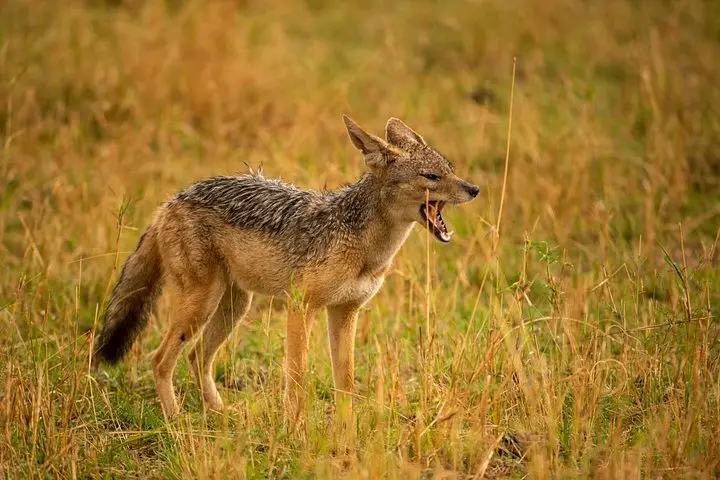
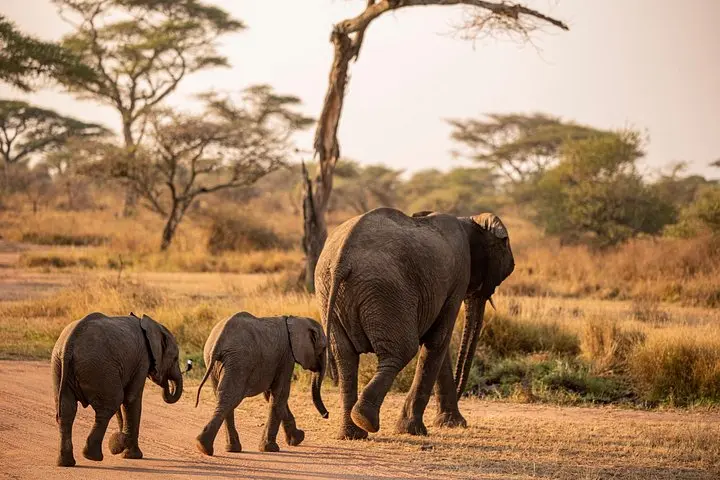
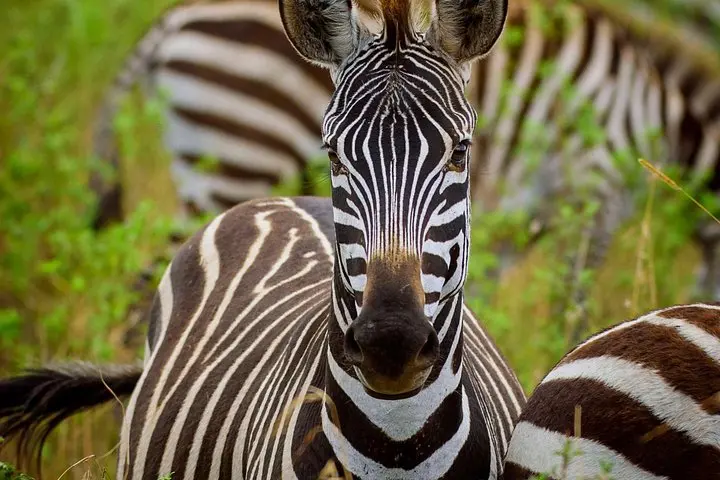

The jeep bumps away from Arusha before dawn, headlights carving brief windows through red dust as the ridge lightens. By midmorning the road opens onto Tarangire’s baobabs and sprawling elephant herds; later, the Serengeti unfurls as an ocean of grass under an enormous sky. Nights are at simple campsites—Seronera and Ngorongoro Simba—where the wind and distant hyena calls keep the watch.
The jeep bumps away from Arusha before dawn, headlights carving brief windows through red dust as the ridge lightens. By midmorning the road opens onto Tarangire’s baobabs and sprawling elephant herds; later, the Serengeti unfurls as an ocean of grass under an enormous sky. Nights are at simple campsites—Seronera and Ngorongoro Simba—where the wind and distant hyena calls keep the watch.
This route threads three of Tanzania’s classic ecosystems. Tarangire’s riverine corridors feed large elephant populations; the Serengeti is a broad, geologically ancient plain shaped by volcanic soils and seasonal flood pulses that drive the wildebeest migration; Ngorongoro is a collapsed caldera—one of the world’s largest intact calderas—hosting dense predator-prey interactions in a compact arena. Local Maasai communities maintain pastoral traditions on the highlands, and guides generally combine natural history with lived cultural context.
Expect long, dusty drives, early starts for game viewing, and multiple full-day game drives with picnic lunches. Terrain varies from rocky tracks and dirt roads to flat sodden plains after rains; vehicles are 4x4 safari landcruisers. Practical prep: bring layered clothing for cold early mornings and hot afternoons, a small daypack for optics and water, and a reliable headlamp for camp. Hydrate frequently; antimalarial and routine vaccinations should be checked before travel. Camps provide basic facilities but plan as if amenities are limited—carry spare batteries, sunscreen, and patience for spectacular-but-unpredictable wildlife sightings.