THE ADVENTURE COLLECTIVE® · Independent discovery and booking for outdoor travel

Trade Kathmandu’s noise for alpine sunrise and tropical jungle on this budget-friendly 5-day tour. From Sarangkot’s sunrise over Annapurna to jeep and canoe safaris in Chitwan, expect long drives, early mornings, and high-value wildlife encounters.
Trade Kathmandu’s noise for alpine sunrise and tropical jungle on this budget-friendly 5-day tour. From Sarangkot’s sunrise over Annapurna to jeep and canoe safaris in Chitwan, expect long drives, early mornings, and high-value wildlife encounters.
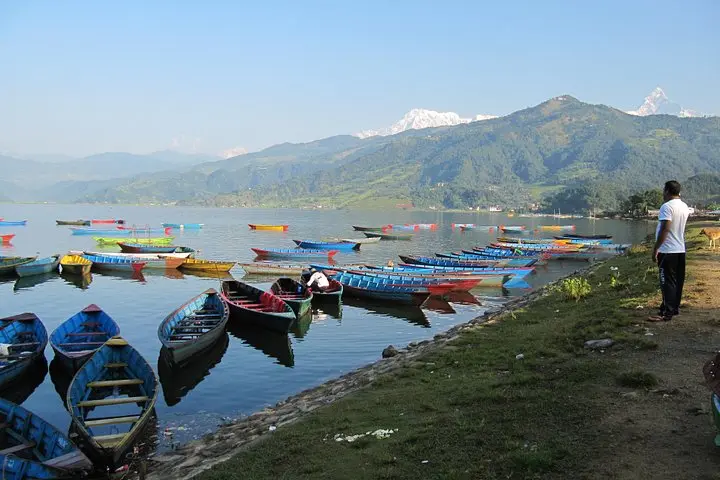
Morning light cracks over Sarangkot and the Annapurna range like a slow reveal; cold air pushes at your jacket while Lake Phewa below holds the mountains’ reflection in a glassy hush. This budget 5-day circuit trades Kathmandu’s bustle for two distilled Nepali experiences: Himalayan sunrise and subtropical jungle.
Verified experiences and guided adventures in the surrounding area.
Operated by Himalayan Advisor Pvt. Ltd. · Pokhara, Gandaki Province
Morning light cracks over Sarangkot and the Annapurna range like a slow reveal; cold air pushes at your jacket while Lake Phewa below holds the mountains’ reflection in a glassy hush. This budget 5-day circuit trades Kathmandu’s bustle for two distilled Nepali experiences: Himalayan sunrise and subtropical jungle.
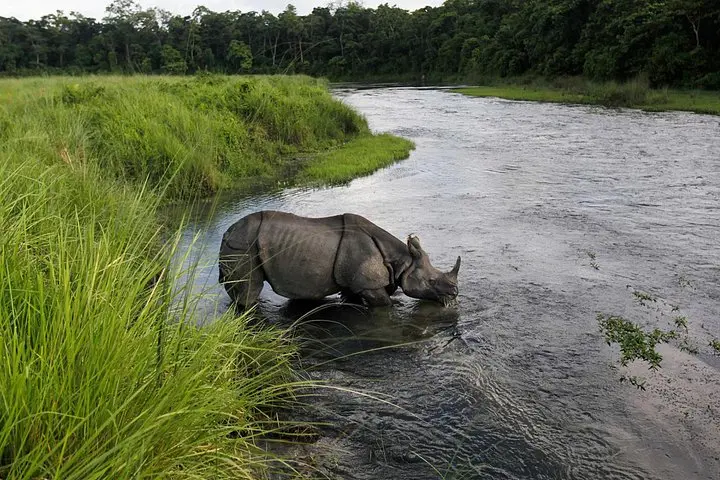
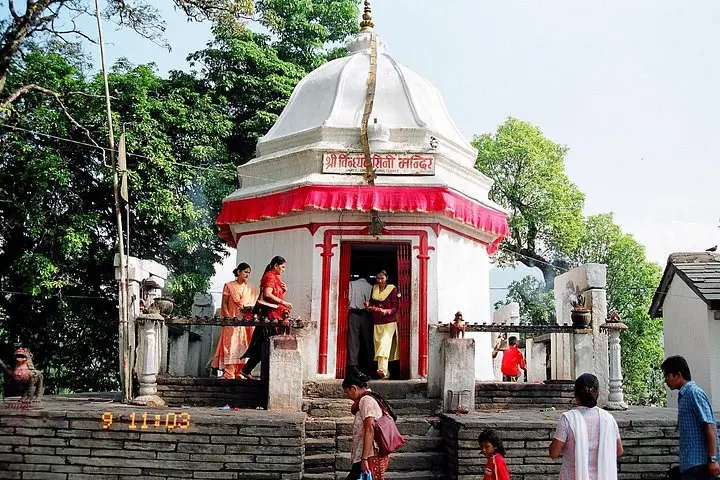
Geology and history collide here — the Annapurna massif rises from active Himalayan uplift, its sharp ridgelines carved by glaciers. Pokhara sits at about 820 m elevation beneath Sarangkot (≈1,600 m), a former trade route hub turned tourism gateway. Heading south, the Terai lowlands flatten into Chitwan National Park (est. 1973), where river channels, sal forest and tall grasslands shelter species from tigers to one-horned rhinos. The Tharu people have lived in these lowlands for generations; their evening cultural program offers a direct line to local customs.
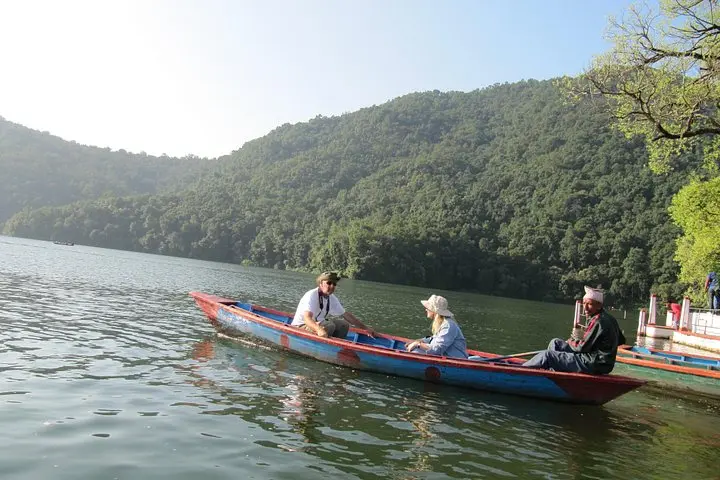
Expect practical rhythms: early starts for Sarangkot’s sunrise, 6–7 hour paved bus travel between Kathmandu and Pokhara, and roughly 5–6 hours moving on to Chitwan. Terrain shifts from paved roads and lakeside promenades to jeep tracks, canoe channels on the Rapti River, and short guided jungle walks.
Plan for variable temperatures, insect-aware evenings, and wildlife viewing that rewards patient, quiet observation. Bring layered clothing, waterproofs, and sturdy shoes for short hikes and uneven safari trails. Respect park rules, maintain distance from wildlife, and prioritize local guides — they’re the best route to sightings and a meaningful cultural exchange.
Expect about 6–7 hours Kathmandu to Pokhara and roughly 5–6 hours between Pokhara and Chitwan by road, depending on traffic and stops.
Rhino sightings are relatively common in Chitwan; tiger sightings are rare—guides increase your odds but sightings are not guaranteed.
Yes—physical demands are low, though long drives and early starts may be tiring; check with operators about vehicle comfort and room arrangements.
October–December and March–May offer clear mountain views and comfortable temperatures; monsoon months (June–September) bring rain and higher humidity.
Himalayan Advisor Pvt. Ltd. operates guided outdoor trips and adventures with an emphasis on safety, stewardship, and memorable experiences.
Morning light cracks over Sarangkot and the Annapurna range like a slow reveal; cold air pushes at your jacket while Lake Phewa below holds the mountains’ reflection in a glassy hush. This budget 5-day circuit trades Kathmandu’s bustle for two distilled Nepali experiences: Himalayan sunrise and subtropical jungle.
Morning light cracks over Sarangkot and the Annapurna range like a slow reveal; cold air pushes at your jacket while Lake Phewa below holds the mountains’ reflection in a glassy hush. This budget 5-day circuit trades Kathmandu’s bustle for two distilled Nepali experiences: Himalayan sunrise and subtropical jungle.
Geology and history collide here — the Annapurna massif rises from active Himalayan uplift, its sharp ridgelines carved by glaciers. Pokhara sits at about 820 m elevation beneath Sarangkot (≈1,600 m), a former trade route hub turned tourism gateway. Heading south, the Terai lowlands flatten into Chitwan National Park (est. 1973), where river channels, sal forest and tall grasslands shelter species from tigers to one-horned rhinos. The Tharu people have lived in these lowlands for generations; their evening cultural program offers a direct line to local customs.
Expect practical rhythms: early starts for Sarangkot’s sunrise, 6–7 hour paved bus travel between Kathmandu and Pokhara, and roughly 5–6 hours moving on to Chitwan. Terrain shifts from paved roads and lakeside promenades to jeep tracks, canoe channels on the Rapti River, and short guided jungle walks.
Plan for variable temperatures, insect-aware evenings, and wildlife viewing that rewards patient, quiet observation. Bring layered clothing, waterproofs, and sturdy shoes for short hikes and uneven safari trails. Respect park rules, maintain distance from wildlife, and prioritize local guides — they’re the best route to sightings and a meaningful cultural exchange.