THE ADVENTURE COLLECTIVE® · Independent discovery and booking for outdoor travel

Move from the hush of the Giza Plateau to Alexandria’s sea-swept corniche on a packed, budget-friendly itinerary. See the Great Pyramid and Sphinx, explore Saqqara and Kom el Shoqafa, and visit the modern Bibliotheca Alexandrina with included transport and guide.
Move from the hush of the Giza Plateau to Alexandria’s sea-swept corniche on a packed, budget-friendly itinerary. See the Great Pyramid and Sphinx, explore Saqqara and Kom el Shoqafa, and visit the modern Bibliotheca Alexandrina with included transport and guide.
The morning sun slices across the Giza Plateau and the three great pyramids stand like worked stone cliffs; wind tugs at loose sand and taxis hum in the distance. On this budget tour, you move from the desert’s hush to Alexandria’s briny breeze in a handful of days—watching the Sphinx’s shadow lengthen before boarding a private air-conditioned car bound for the Mediterranean.
Verified experiences and guided adventures in the surrounding area.
Operated by Available travel Egypt · Cairo, Cairo Governorate
The morning sun slices across the Giza Plateau and the three great pyramids stand like worked stone cliffs; wind tugs at loose sand and taxis hum in the distance. On this budget tour, you move from the desert’s hush to Alexandria’s briny breeze in a handful of days—watching the Sphinx’s shadow lengthen before boarding a private air-conditioned car bound for the Mediterranean.
Cairo’s monuments are Old Kingdom legacies: the Great Pyramid of Khufu, built about 4,500 years ago, and the Step Pyramid at Saqqara, early experiments in monumental stone. Alexandria flips to later history—Hellenistic foundations, the vanished Pharos lighthouse, and the modern Bibliotheca Alexandrina that honors a long scholarly tradition. Geology is obvious: Giza’s limestone beds rise from Nile sediments; Alexandria’s coastline answers to millennia of trade and sea-borne culture.
Expect guided access to major sites, hotel pick-up and midday lunches included. Walking surfaces are uneven stone, sand, and urban sidewalks; modest dress is customary at religious and archaeological sites. Best times for photography and cooler touring are early morning at Giza and late afternoon along Alexandria’s corniche. Carry water, a hat, and comfortable shoes; allow time for security lines and brief museum queues. Inside-pyramid entry is often optional and can be tight and warm.
This itinerary is practical, packed, and suited to travelers who want concentrated history without luxury prices—an efficient, sensory route through Egypt’s layered past.
Entry inside is sometimes available but often optional and may require an additional ticket; check with the operator on booking.
Modest dress is recommended—cover shoulders and knees—especially at religious sites; lightweight layers work well in hot weather.
The itinerary notes wheelchair-accessible transportation and many areas are accessible, but some excavation sites and pyramid interiors are not fully accessible—confirm specific needs before booking.
Egyptian pounds are standard for small purchases; major cards are accepted in larger venues but carry cash for market purchases and tips.
Available travel Egypt operates guided outdoor trips and adventures with an emphasis on safety, stewardship, and memorable experiences.
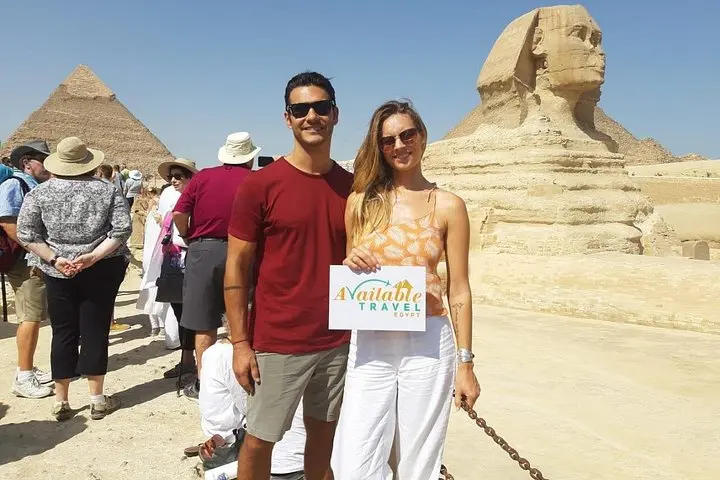
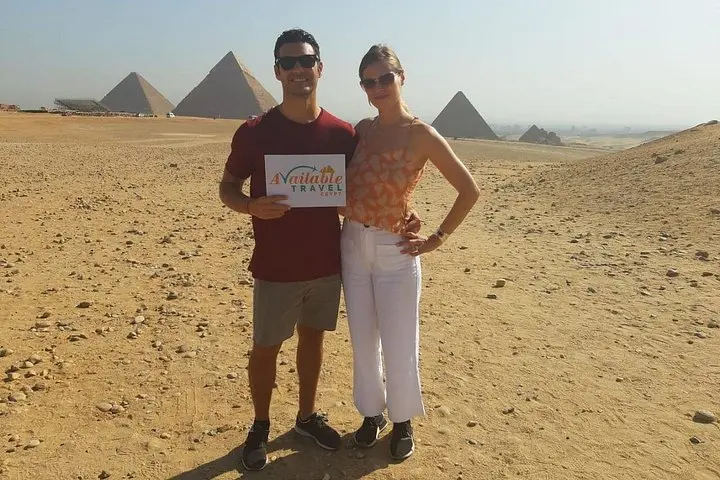
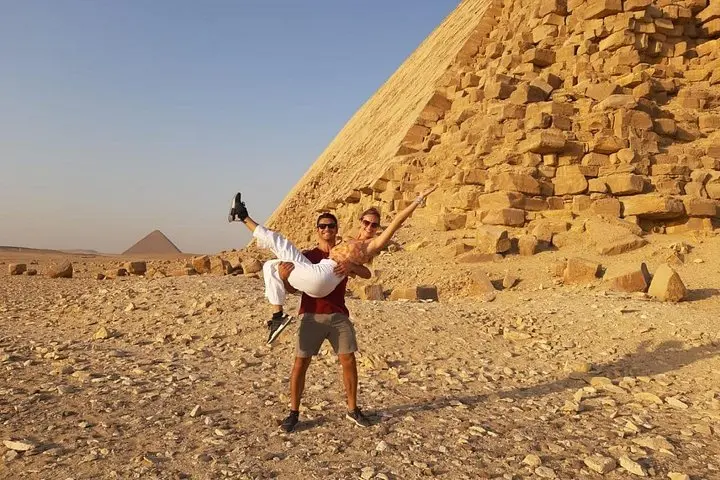
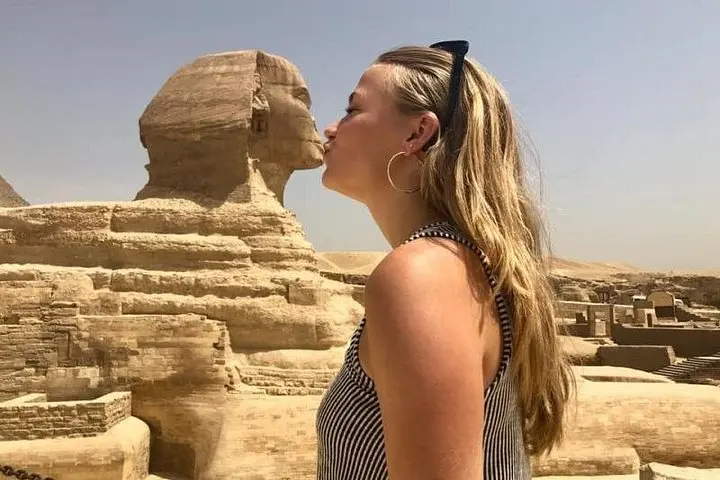
The morning sun slices across the Giza Plateau and the three great pyramids stand like worked stone cliffs; wind tugs at loose sand and taxis hum in the distance. On this budget tour, you move from the desert’s hush to Alexandria’s briny breeze in a handful of days—watching the Sphinx’s shadow lengthen before boarding a private air-conditioned car bound for the Mediterranean.
The morning sun slices across the Giza Plateau and the three great pyramids stand like worked stone cliffs; wind tugs at loose sand and taxis hum in the distance. On this budget tour, you move from the desert’s hush to Alexandria’s briny breeze in a handful of days—watching the Sphinx’s shadow lengthen before boarding a private air-conditioned car bound for the Mediterranean.
Cairo’s monuments are Old Kingdom legacies: the Great Pyramid of Khufu, built about 4,500 years ago, and the Step Pyramid at Saqqara, early experiments in monumental stone. Alexandria flips to later history—Hellenistic foundations, the vanished Pharos lighthouse, and the modern Bibliotheca Alexandrina that honors a long scholarly tradition. Geology is obvious: Giza’s limestone beds rise from Nile sediments; Alexandria’s coastline answers to millennia of trade and sea-borne culture.
Expect guided access to major sites, hotel pick-up and midday lunches included. Walking surfaces are uneven stone, sand, and urban sidewalks; modest dress is customary at religious and archaeological sites. Best times for photography and cooler touring are early morning at Giza and late afternoon along Alexandria’s corniche. Carry water, a hat, and comfortable shoes; allow time for security lines and brief museum queues. Inside-pyramid entry is often optional and can be tight and warm.
This itinerary is practical, packed, and suited to travelers who want concentrated history without luxury prices—an efficient, sensory route through Egypt’s layered past.