THE ADVENTURE COLLECTIVE® · Independent discovery and booking for outdoor travel

Three days of budget camping in the Masai Mara puts you close to the wildebeest migration, daily game drives, and Maasai culture without the luxury price tag. Expect basic camps, shared vehicles, and high chances to see big game if you start early.
Three days of budget camping in the Masai Mara puts you close to the wildebeest migration, daily game drives, and Maasai culture without the luxury price tag. Expect basic camps, shared vehicles, and high chances to see big game if you start early.
Dust rises from the tracks as the safari vehicle slides toward the grassland; the camp canvas waits beneath a wide, African sky and the distant cry of a hyena threads the night. In the early light the Mara river gleams and wildebeest dot the plains like punctuation — you feel the reserve moving around you as much as you move through it.
Verified experiences and guided adventures in the surrounding area.
Operated by African Mosaic Tours and Safaris · Masai Mara, Narok County
Dust rises from the tracks as the safari vehicle slides toward the grassland; the camp canvas waits beneath a wide, African sky and the distant cry of a hyena threads the night. In the early light the Mara river gleams and wildebeest dot the plains like punctuation — you feel the reserve moving around you as much as you move through it.
Geology and history shape this place: the Mara sits on the edge of the Great Rift Valley, its escarpments and river systems carving routes for migrating herds. The reserve is integral to the annual wildebeest migration (most visible July–October) and to the Maasai people, whose pastoral traditions and settlements still frame life around the park.
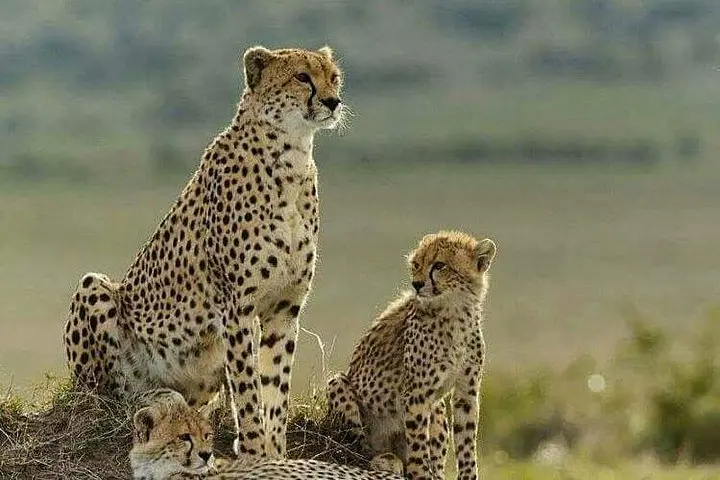
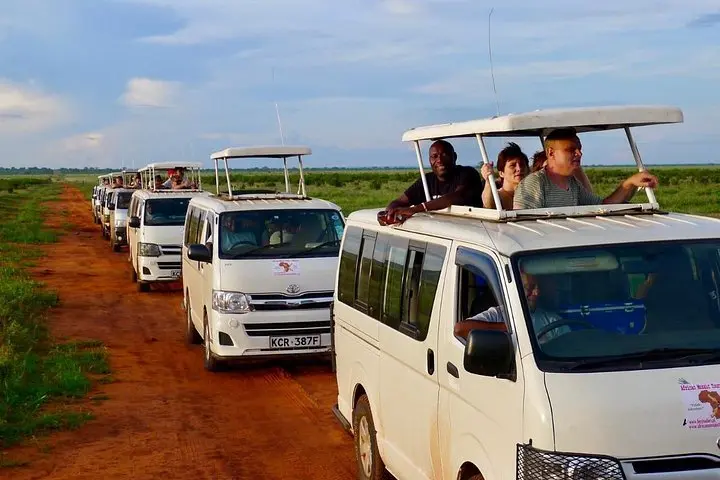
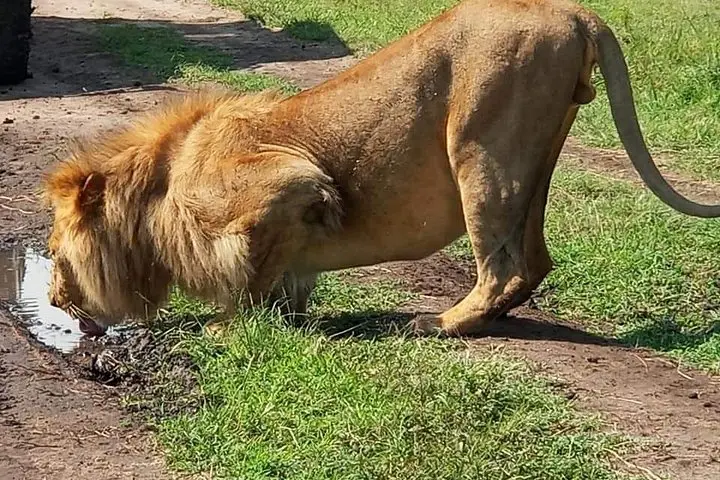
Days on a budget camping safari alternate between slow, patient game drives and close-to-nature nights in shared camps. Expect open-sided vehicles with raised seats, basic communal tents or platform beds, and meals cooked at camp. Wildlife concentrations are high — lions, elephants, buffalo, zebra and giraffe are commonly seen — but sightings always depend on luck and timing.
Practical guidance: arrive with layered clothing for cool mornings and warm afternoons, sun protection, and a good pair of walking shoes for short bush walks. Bring binoculars, a refillable water bottle, and a camera with a telephoto lens if you want close portraits of big game. Park entry fees and meals are typically included; tipping guides is customary. If you have mobility concerns or medical conditions, notify the operator ahead of time. Night temperatures can drop and roads may be rough; expect long drives and transport with modified suspension. With modest gear and an early start, this three-day camping loop delivers raw wildlife encounters and the kind of horizon that makes you wake early to watch the land wake back.
July–October generally offers the best chance to witness large river crossings in the Masai Mara, though movements vary year to year.
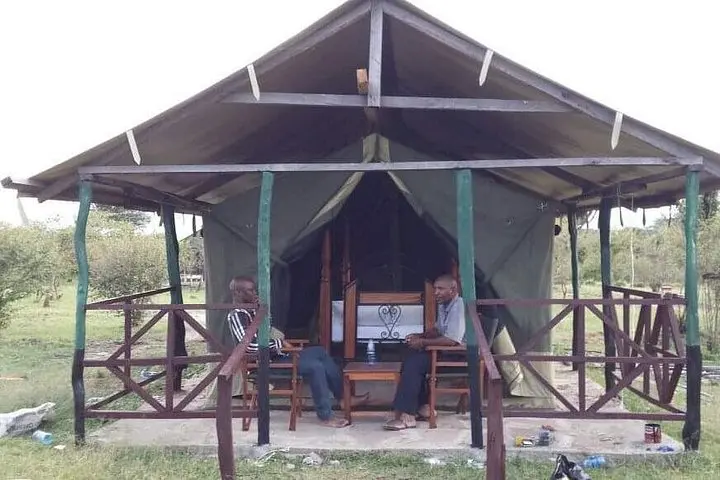
This is budget camping: shared tents or basic platform beds, communal facilities, and meals prepared at camp—comfort is basic but functional.
Most budget packages include park entrance fees, transport in a safari vehicle, and specified meals—confirm details on booking to avoid surprises.
Consult a travel health clinic before travel; malaria prophylaxis is commonly recommended for the Masai Mara area and routine vaccinations should be up to date.
African Mosaic Tours and Safaris operates guided outdoor trips and adventures with an emphasis on safety, stewardship, and memorable experiences.
Dust rises from the tracks as the safari vehicle slides toward the grassland; the camp canvas waits beneath a wide, African sky and the distant cry of a hyena threads the night. In the early light the Mara river gleams and wildebeest dot the plains like punctuation — you feel the reserve moving around you as much as you move through it.
Dust rises from the tracks as the safari vehicle slides toward the grassland; the camp canvas waits beneath a wide, African sky and the distant cry of a hyena threads the night. In the early light the Mara river gleams and wildebeest dot the plains like punctuation — you feel the reserve moving around you as much as you move through it.
Geology and history shape this place: the Mara sits on the edge of the Great Rift Valley, its escarpments and river systems carving routes for migrating herds. The reserve is integral to the annual wildebeest migration (most visible July–October) and to the Maasai people, whose pastoral traditions and settlements still frame life around the park.
Days on a budget camping safari alternate between slow, patient game drives and close-to-nature nights in shared camps. Expect open-sided vehicles with raised seats, basic communal tents or platform beds, and meals cooked at camp. Wildlife concentrations are high — lions, elephants, buffalo, zebra and giraffe are commonly seen — but sightings always depend on luck and timing.
Practical guidance: arrive with layered clothing for cool mornings and warm afternoons, sun protection, and a good pair of walking shoes for short bush walks. Bring binoculars, a refillable water bottle, and a camera with a telephoto lens if you want close portraits of big game. Park entry fees and meals are typically included; tipping guides is customary. If you have mobility concerns or medical conditions, notify the operator ahead of time. Night temperatures can drop and roads may be rough; expect long drives and transport with modified suspension. With modest gear and an early start, this three-day camping loop delivers raw wildlife encounters and the kind of horizon that makes you wake early to watch the land wake back.