THE ADVENTURE COLLECTIVE® · Independent discovery and booking for outdoor travel

Follow the classic Lukla–Gorak Shep route on a budget-friendly 14-day trek that balances acclimatization and daily progress. Expect tea-house nights, high alpine weather, and the unforgettable sunrise from Kala Patthar.
Follow the classic Lukla–Gorak Shep route on a budget-friendly 14-day trek that balances acclimatization and daily progress. Expect tea-house nights, high alpine weather, and the unforgettable sunrise from Kala Patthar.
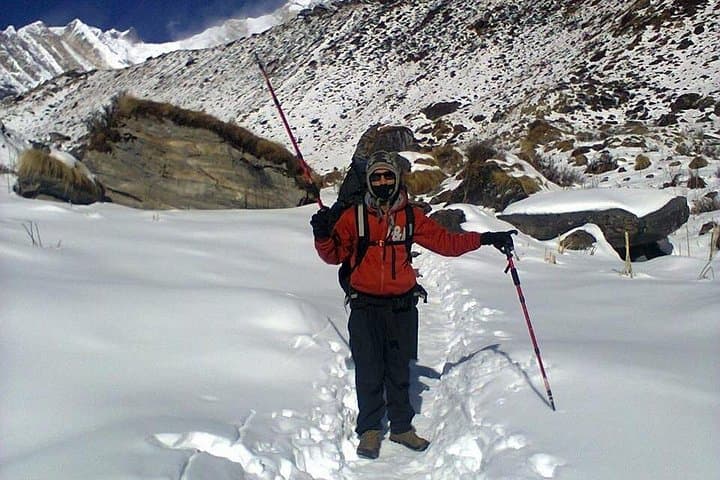
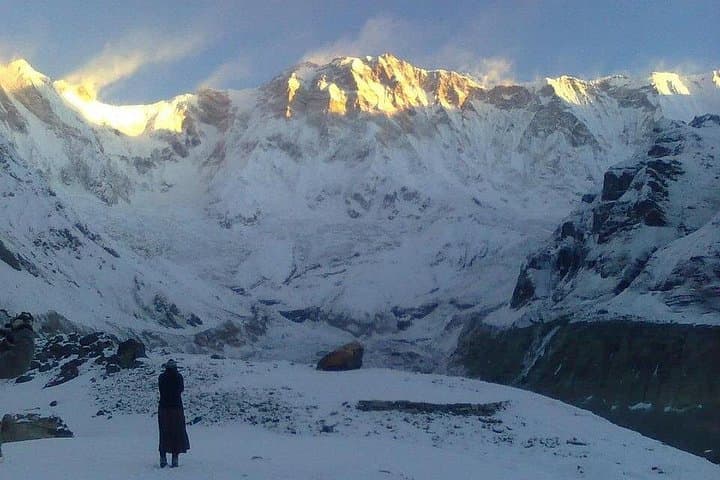
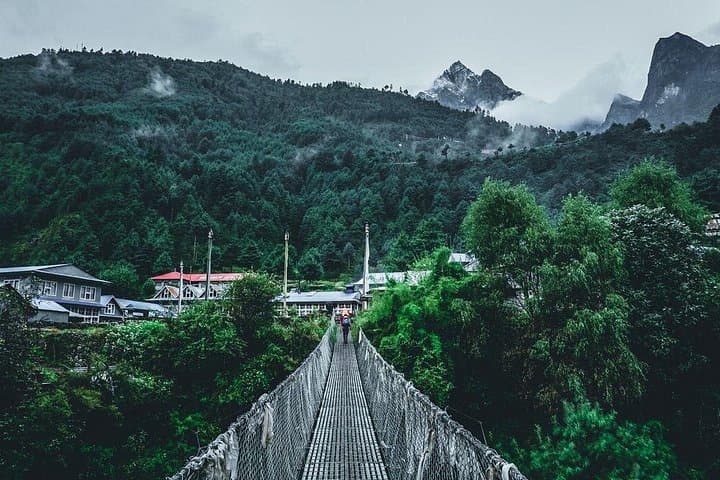
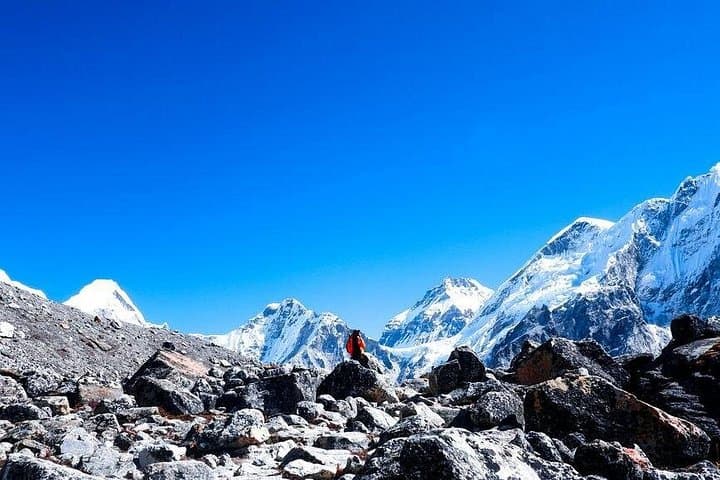
Dawn breaks over the Khumbu and the path ahead is a ribbon of prayer flags and loose stone. You step off the Lukla airstrip into thin air, the Himalaya rising like a wall of folded granite and snow. Tea houses cluster on steep benches; yaks graze on scrub; the trail alternates between rhododendron forest, broad moraine, and wind-scoured high plateau as you climb toward Gorak Shep and the pale ridge of Kala Patthar.
Verified experiences and guided adventures in the surrounding area.
Operated by Adventure Vision Treks and Travels · Gorak Shep, Province No. 1
Dawn breaks over the Khumbu and the path ahead is a ribbon of prayer flags and loose stone. You step off the Lukla airstrip into thin air, the Himalaya rising like a wall of folded granite and snow. Tea houses cluster on steep benches; yaks graze on scrub; the trail alternates between rhododendron forest, broad moraine, and wind-scoured high plateau as you climb toward Gorak Shep and the pale ridge of Kala Patthar.
This route follows centuries of Sherpa travel and trade routes into the high alpine. The geology is collision-born — metamorphic and sedimentary rock shoved skyward by the India-Eurasia convergence — sculpted by glaciers that leave polished rock and terminal moraines. Culturally, villages like Namche Bazaar pulse with Sherpa culture and Tibetan Buddhist monasteries; mani walls and chortens mark high passes.
On a budget tea-house trek you’ll sleep in shared rooms, eat simple dal bhat, and move deliberately to acclimatize. Expect long days of steady elevation gain (typical stages: 7–13 km, 4–7 hours) and brief but critical acclimatization stops in Namche and Dingboche. Weather can turn quickly above 4,000 m; wind and sun are the real challenges.
Practical guidance: train with hills and weighted daypacks, carry a good sleeping bag rated to -10°C, and use a water-treatment system. Allow time for acclimatization—don’t rush to Everest Base Camp or Kala Patthar. Bring Nepalese rupees for tea houses and tips, and consider travel insurance that covers high-altitude evacuation. With patience and preparation, the view from Kala Patthar — Everest, Lhotse and the hanging glaciers — is an earned, elemental reward.
No—this is a high-altitude trek without technical climbing; route-finding and glacier travel are not required on the standard route.
You need a TIMS card and a Sagarmatha National Park permit; guides typically help arrange these before or on arrival in Kathmandu.
Acute mountain sickness is a real risk above 3,000–4,000 m; acclimatization days, slow ascent, and awareness of symptoms are essential—carry medication if advised by a physician.
Yes—tea-house accommodation and local food keep costs down, but you should still budget for permits, Lukla flights, tips, and emergency contingency funds.
Adventure Vision Treks and Travels operates guided outdoor trips and adventures with an emphasis on safety, stewardship, and memorable experiences.
Dawn breaks over the Khumbu and the path ahead is a ribbon of prayer flags and loose stone. You step off the Lukla airstrip into thin air, the Himalaya rising like a wall of folded granite and snow. Tea houses cluster on steep benches; yaks graze on scrub; the trail alternates between rhododendron forest, broad moraine, and wind-scoured high plateau as you climb toward Gorak Shep and the pale ridge of Kala Patthar.
Dawn breaks over the Khumbu and the path ahead is a ribbon of prayer flags and loose stone. You step off the Lukla airstrip into thin air, the Himalaya rising like a wall of folded granite and snow. Tea houses cluster on steep benches; yaks graze on scrub; the trail alternates between rhododendron forest, broad moraine, and wind-scoured high plateau as you climb toward Gorak Shep and the pale ridge of Kala Patthar.
This route follows centuries of Sherpa travel and trade routes into the high alpine. The geology is collision-born — metamorphic and sedimentary rock shoved skyward by the India-Eurasia convergence — sculpted by glaciers that leave polished rock and terminal moraines. Culturally, villages like Namche Bazaar pulse with Sherpa culture and Tibetan Buddhist monasteries; mani walls and chortens mark high passes.
On a budget tea-house trek you’ll sleep in shared rooms, eat simple dal bhat, and move deliberately to acclimatize. Expect long days of steady elevation gain (typical stages: 7–13 km, 4–7 hours) and brief but critical acclimatization stops in Namche and Dingboche. Weather can turn quickly above 4,000 m; wind and sun are the real challenges.
Practical guidance: train with hills and weighted daypacks, carry a good sleeping bag rated to -10°C, and use a water-treatment system. Allow time for acclimatization—don’t rush to Everest Base Camp or Kala Patthar. Bring Nepalese rupees for tea houses and tips, and consider travel insurance that covers high-altitude evacuation. With patience and preparation, the view from Kala Patthar — Everest, Lhotse and the hanging glaciers — is an earned, elemental reward.