THE ADVENTURE COLLECTIVE® · Independent discovery and booking for outdoor travel

Four days of close-up game drives across the Serengeti and a half-day descent into Ngorongoro Crater—this budget safari prioritizes time in the parks over frills. Expect long drives, pop-up-roof viewing, kopje sightings and a stop at Olduvai Gorge.
Four days of close-up game drives across the Serengeti and a half-day descent into Ngorongoro Crater—this budget safari prioritizes time in the parks over frills. Expect long drives, pop-up-roof viewing, kopje sightings and a stop at Olduvai Gorge.
Dawn arrives like a slow whisper across the Serengeti—pink light spreading across short grass, a lone acacia throwing a long shadow, and the rumble of hooves as wildebeest push toward a horizon that seems to go on forever.
Verified experiences and guided adventures in the surrounding area.
Operated by Kilisa Tours & Safaris · Moshi, Kilimanjaro Region
Dawn arrives like a slow whisper across the Serengeti—pink light spreading across short grass, a lone acacia throwing a long shadow, and the rumble of hooves as wildebeest push toward a horizon that seems to go on forever.
On this four-day budget safari you ride those horizons in a canvas-topped 4x4 with a pop-up roof, trading luxury for proximity: near-constant game drives, nights under simple camp lighting, and guide-led stakes on where to watch the big cat stories unfold. The first two days center on the Seronera region of the Serengeti, where weathered granite kopjes and Sogore River channels create predictable lanes for predator-prey encounters. Day three moves you south toward Olduvai Gorge—ground zero in human prehistory—and onward to the Ngorongoro Conservation Area. On day four you descend roughly 600 meters into the Ngorongoro Crater, a bowl of grassland and freshwater springs cradling dense wildlife and, often, impossible photo opportunities.
Geology here reads like a field guide: scattered granite kopjes rise from the plains, their exfoliated faces trapping water and shade and acting as microhabitats. Ngorongoro’s crater is an ancient collapsed volcano—an enclosed ecosystem with year-round water that concentrates game and predators in a way the open Serengeti never does.
Culture threads through the trip. Your driver-guide will likely be Tanzanian, often from the Kilimanjaro or Arusha region, and may point out Maasai bomas on the route. A stop at Olduvai Gorge includes a short lecture on the Leakey discoveries—an abrupt human timeline counterpoint to the millions of migrating hooves you’ll see on the plains.
Practical edge: pack layers. Morning drives are cold; midday can reach the high 20s–30s°C (80s–90s°F). Game drives typically run from first light until mid-morning and again late afternoon; your best sightings often arrive at those cooler edges of the day. The itinerary covers long transfers—expect several hours on dirt roads between zones and a scheduled 145 km road transfer from Serengeti to Ngorongoro—so motion sickness meds and good ankle-support shoes for scrambling on kopjes help.
What you get: full-board meals while on safari, park fees, bottled water, and tented or campsite accommodation as specified. What you won’t get: hotel-level creature comforts—this is intentional: more time in the park, less time fussing with transfers.
Tips for success: rise before dawn with your guide, keep cameras ready at the pop-up roof, and respect wildlife distances—guides enforce park rules for safety and conservation. Finally, leave room for the quiet: when a pride yawns on a kopje and the plains pause, you’ll notice the rhythm of this landscape more than any single trophy sighting.
Yes—this package includes all park entrance fees for Serengeti and Ngorongoro as listed in the inclusions.
Roads include paved sections and extended dirt tracks; expect bumpy stretches and travel times of several hours—motion sickness precautions are advised.
This is a budget option with nights at well-located campsites and simple lodgings; amenities are basic but clean and focused on access to game viewing.
Infants must sit on laps; the operator notes the trip is physically easy but not recommended for travelers with spinal or serious cardiovascular issues.
Yes—booking questions include a special requirements field; notify the operator in advance for meal needs.
Pickup is available from Moshi hotels, the airport, or a designated meeting point; the supplier requests pickup details ahead of time and may require two hours before departure.
Kilisa Tours & Safaris operates guided outdoor trips and adventures with an emphasis on safety, stewardship, and memorable experiences.
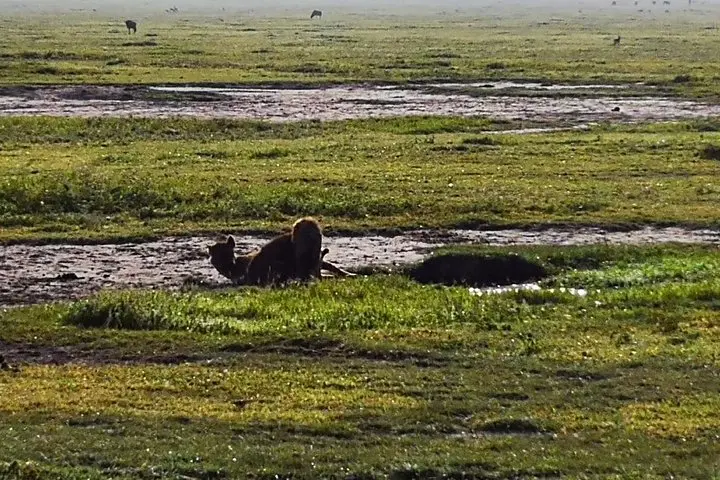
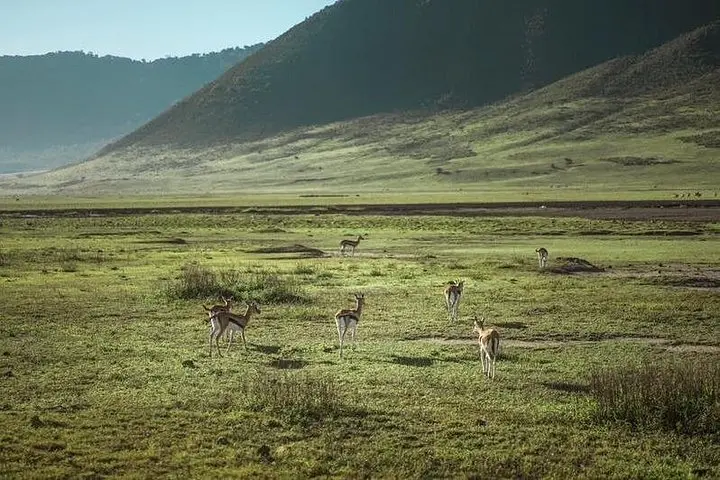
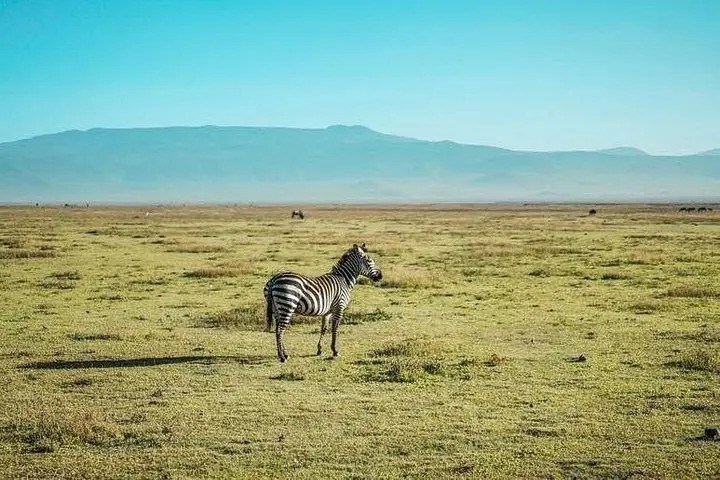
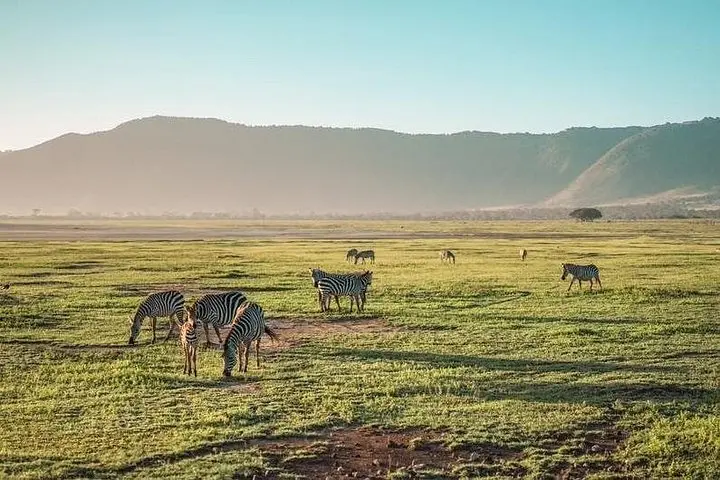
Dawn arrives like a slow whisper across the Serengeti—pink light spreading across short grass, a lone acacia throwing a long shadow, and the rumble of hooves as wildebeest push toward a horizon that seems to go on forever.
Dawn arrives like a slow whisper across the Serengeti—pink light spreading across short grass, a lone acacia throwing a long shadow, and the rumble of hooves as wildebeest push toward a horizon that seems to go on forever.
On this four-day budget safari you ride those horizons in a canvas-topped 4x4 with a pop-up roof, trading luxury for proximity: near-constant game drives, nights under simple camp lighting, and guide-led stakes on where to watch the big cat stories unfold. The first two days center on the Seronera region of the Serengeti, where weathered granite kopjes and Sogore River channels create predictable lanes for predator-prey encounters. Day three moves you south toward Olduvai Gorge—ground zero in human prehistory—and onward to the Ngorongoro Conservation Area. On day four you descend roughly 600 meters into the Ngorongoro Crater, a bowl of grassland and freshwater springs cradling dense wildlife and, often, impossible photo opportunities.
Geology here reads like a field guide: scattered granite kopjes rise from the plains, their exfoliated faces trapping water and shade and acting as microhabitats. Ngorongoro’s crater is an ancient collapsed volcano—an enclosed ecosystem with year-round water that concentrates game and predators in a way the open Serengeti never does.
Culture threads through the trip. Your driver-guide will likely be Tanzanian, often from the Kilimanjaro or Arusha region, and may point out Maasai bomas on the route. A stop at Olduvai Gorge includes a short lecture on the Leakey discoveries—an abrupt human timeline counterpoint to the millions of migrating hooves you’ll see on the plains.
Practical edge: pack layers. Morning drives are cold; midday can reach the high 20s–30s°C (80s–90s°F). Game drives typically run from first light until mid-morning and again late afternoon; your best sightings often arrive at those cooler edges of the day. The itinerary covers long transfers—expect several hours on dirt roads between zones and a scheduled 145 km road transfer from Serengeti to Ngorongoro—so motion sickness meds and good ankle-support shoes for scrambling on kopjes help.
What you get: full-board meals while on safari, park fees, bottled water, and tented or campsite accommodation as specified. What you won’t get: hotel-level creature comforts—this is intentional: more time in the park, less time fussing with transfers.
Tips for success: rise before dawn with your guide, keep cameras ready at the pop-up roof, and respect wildlife distances—guides enforce park rules for safety and conservation. Finally, leave room for the quiet: when a pride yawns on a kopje and the plains pause, you’ll notice the rhythm of this landscape more than any single trophy sighting.