THE ADVENTURE COLLECTIVE® · Independent discovery and booking for outdoor travel

Fly to Lukla and walk into the high Khumbu on a 14-day budget trek that reaches Everest Base Camp and Kala Patthar. Expect long days, high passes, and essential acclimatization in Sherpa villages.
Fly to Lukla and walk into the high Khumbu on a 14-day budget trek that reaches Everest Base Camp and Kala Patthar. Expect long days, high passes, and essential acclimatization in Sherpa villages.
A thin, high light fills the valley as the plane drops toward Lukla; the runway presses into the mountainside and the first steps onto Nepalese soil are a promise of raw altitude and simple camps. Trails cut through rhododendron and juniper, climb past stacked mani stones, and open onto the broad moraine bowl where Everest Base Camp waits—white, cold, and uncompromising.
Verified experiences and guided adventures in the surrounding area.
Operated by Global Holidays Adventure P. Ltd · Kathmandu, Province No. 1
A thin, high light fills the valley as the plane drops toward Lukla; the runway presses into the mountainside and the first steps onto Nepalese soil are a promise of raw altitude and simple camps. Trails cut through rhododendron and juniper, climb past stacked mani stones, and open onto the broad moraine bowl where Everest Base Camp waits—white, cold, and uncompromising.
The route follows routes established by Sherpa communities and early mountaineering expeditions. Geologically the Khumbu is young: tectonic uplift thrusts granite and metamorphic rock skyward while glaciers carve sharp ridgelines and deposit moraine that marks a constantly changing landscape. Culturally, villages like Namche Bazaar and Tengboche are hubs of Sherpa life—monasteries, prayer flags, and teahouse economies that have supported trekking for decades.
Expect sustained ascent: Lukla (approx. 2,860 m) to Namche (3,440 m) gains steeply; EBC sits near 5,160 m and Kala Patthar near 5,545 m. Typical walking days are 3–7 hours on rocky, sometimes icy trails, with longer acclimatization pauses built in. Weather can flip from sun to snow in hours; higher camps demand warm sleep systems and careful layering.
Practical notes: permits (Sagarmatha NP, TIMS) are required, Lukla flights restrict luggage (about 15 kg), and slow, conservative ascent with rest days is essential to reduce risk of AMS. Guides and porters are standard on budget treks and included here; they manage logistics and help read the mountain’s moods. Hydrate deliberately, carry a reliable insulated jacket and footwear that handles scree and ice, and budget extra days—nature sets the schedule up here.
No technical climbing skills are required to reach Base Camp; the route is a high-altitude trek on established trails, though trekkers must be prepared for rough terrain and altitude.
You need a Sagarmatha National Park permit and a TIMS card; guides or operators usually arrange these before the trek begins.
Lukla flights typically allow about 15 kg per person; extra baggage can be carried by porters but check airline and operator rules in advance.
Spring (March–May) and autumn (late September–November) offer the most stable weather and clear mountain views, though trekking is possible year-round with proper gear.
Global Holidays Adventure P. Ltd operates guided outdoor trips and adventures with an emphasis on safety, stewardship, and memorable experiences.
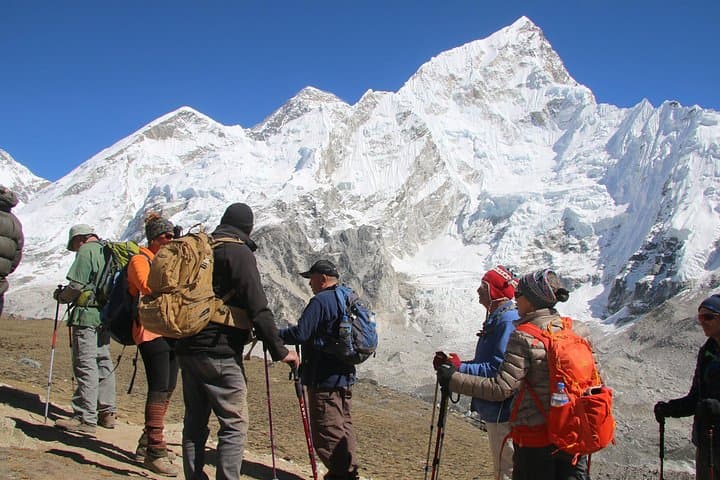
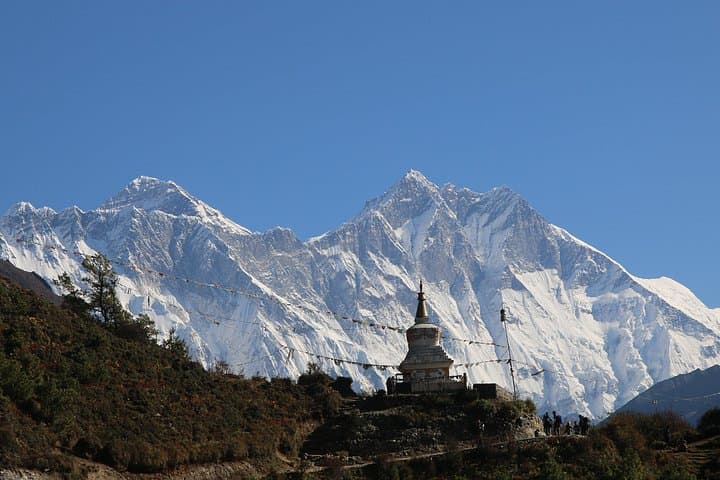
A thin, high light fills the valley as the plane drops toward Lukla; the runway presses into the mountainside and the first steps onto Nepalese soil are a promise of raw altitude and simple camps. Trails cut through rhododendron and juniper, climb past stacked mani stones, and open onto the broad moraine bowl where Everest Base Camp waits—white, cold, and uncompromising.
A thin, high light fills the valley as the plane drops toward Lukla; the runway presses into the mountainside and the first steps onto Nepalese soil are a promise of raw altitude and simple camps. Trails cut through rhododendron and juniper, climb past stacked mani stones, and open onto the broad moraine bowl where Everest Base Camp waits—white, cold, and uncompromising.
The route follows routes established by Sherpa communities and early mountaineering expeditions. Geologically the Khumbu is young: tectonic uplift thrusts granite and metamorphic rock skyward while glaciers carve sharp ridgelines and deposit moraine that marks a constantly changing landscape. Culturally, villages like Namche Bazaar and Tengboche are hubs of Sherpa life—monasteries, prayer flags, and teahouse economies that have supported trekking for decades.
Expect sustained ascent: Lukla (approx. 2,860 m) to Namche (3,440 m) gains steeply; EBC sits near 5,160 m and Kala Patthar near 5,545 m. Typical walking days are 3–7 hours on rocky, sometimes icy trails, with longer acclimatization pauses built in. Weather can flip from sun to snow in hours; higher camps demand warm sleep systems and careful layering.
Practical notes: permits (Sagarmatha NP, TIMS) are required, Lukla flights restrict luggage (about 15 kg), and slow, conservative ascent with rest days is essential to reduce risk of AMS. Guides and porters are standard on budget treks and included here; they manage logistics and help read the mountain’s moods. Hydrate deliberately, carry a reliable insulated jacket and footwear that handles scree and ice, and budget extra days—nature sets the schedule up here.