THE ADVENTURE COLLECTIVE® · Independent discovery and booking for outdoor travel

Spend a week in Buen Hombre learning to kitesurf from certified instructors while staying in beachfront wooden bungalows. Expect flat, shallow water, steady trade winds, and an immersive small‑village atmosphere that accelerates learning.
Spend a week in Buen Hombre learning to kitesurf from certified instructors while staying in beachfront wooden bungalows. Expect flat, shallow water, steady trade winds, and an immersive small‑village atmosphere that accelerates learning.
The wind arrives in a steady, honest pulse here — a constant push off the Atlantic that fills kites and confidence the moment you step from a palm‑leaf bungalow onto hard-packed sand.
Verified experiences and guided adventures in the surrounding area.
Operated by Kite Buen Hombre · Buen Hombre, Monte Cristi Province
The wind arrives in a steady, honest pulse here — a constant push off the Atlantic that fills kites and confidence the moment you step from a palm‑leaf bungalow onto hard-packed sand.
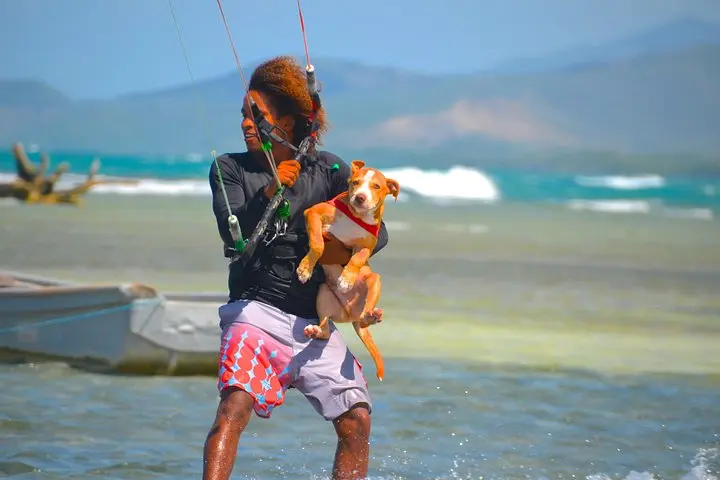
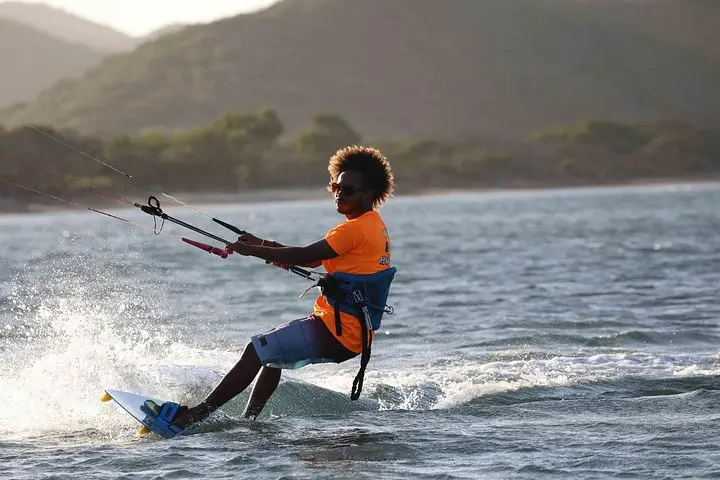
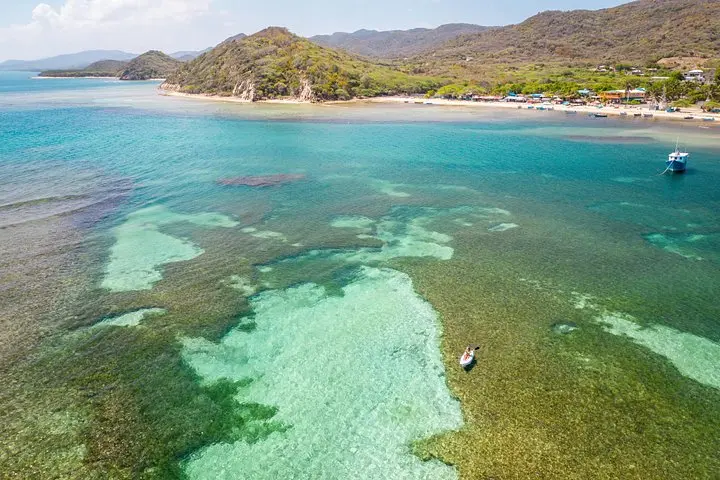
Buen Hombre is a working fishing village on the northwestern coast of the Dominican Republic where trade winds run stronger and crowds run thinner than the better-known Cabarete. The shallow, butter‑flat lagoon formed by a protective sandbar makes the bay an efficient classroom: learners spend less time fighting chop and more time building muscle memory. Geologically, the coast is a low-relief shelf of carbonate sands and reef outcrops; mountains rise inland, funneling wind toward the beach.
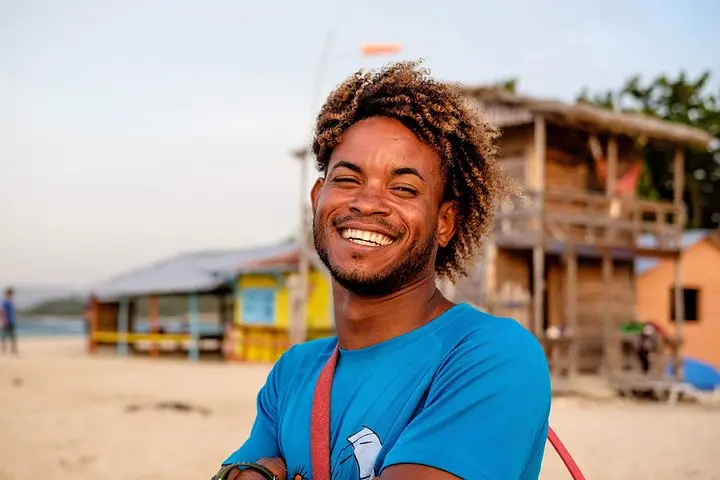
Local culture here is straightforward and resilient — fishermen, kite instructors, and families who keep traditional rhythms alongside the new craft of kitesurfing. The school operates from wooden bungalows with palm roofs and serves simple Dominican breakfasts and dinners, giving an immediate sense of place.
Practically, expect 10–12 hours of instruction spread over a week with full kite gear supplied and 6 nights of lodging. Best results come during the trade wind season (roughly late fall through early spring) when consistent side‑onshore winds make learning safer and faster. Bring water, reef shoes for shallow entries, and sun protection; mornings are typically calmer for assessment, mid‑day brings peak wind. Ability: moderate fitness and comfortable swimming. Safety briefings, certified instructors, and flatwater practice mean beginners can progress quickly — but respect the wind’s authority and your instructor’s limits. Leave no trace: the dunes and fishing grounds remain fragile and depend on visitors who come prepared and considerate.
No — the school offers beginner lessons and full gear; certified instructors guide progression from land drills to bodydragging and board starts.
Winter months (roughly November–April) offer the most consistent trade winds and are ideal for learning quickly.
Accommodations are simple wooden bungalows with palm roofs located on the beach—comfortable and authentic rather than luxury.
You should be a basic swimmer; instructors provide flotation vests but non‑swimmers are not recommended due to ocean conditions.
Kite Buen Hombre operates guided outdoor trips and adventures with an emphasis on safety, stewardship, and memorable experiences.
The wind arrives in a steady, honest pulse here — a constant push off the Atlantic that fills kites and confidence the moment you step from a palm‑leaf bungalow onto hard-packed sand.
The wind arrives in a steady, honest pulse here — a constant push off the Atlantic that fills kites and confidence the moment you step from a palm‑leaf bungalow onto hard-packed sand.
Buen Hombre is a working fishing village on the northwestern coast of the Dominican Republic where trade winds run stronger and crowds run thinner than the better-known Cabarete. The shallow, butter‑flat lagoon formed by a protective sandbar makes the bay an efficient classroom: learners spend less time fighting chop and more time building muscle memory. Geologically, the coast is a low-relief shelf of carbonate sands and reef outcrops; mountains rise inland, funneling wind toward the beach.
Local culture here is straightforward and resilient — fishermen, kite instructors, and families who keep traditional rhythms alongside the new craft of kitesurfing. The school operates from wooden bungalows with palm roofs and serves simple Dominican breakfasts and dinners, giving an immediate sense of place.
Practically, expect 10–12 hours of instruction spread over a week with full kite gear supplied and 6 nights of lodging. Best results come during the trade wind season (roughly late fall through early spring) when consistent side‑onshore winds make learning safer and faster. Bring water, reef shoes for shallow entries, and sun protection; mornings are typically calmer for assessment, mid‑day brings peak wind. Ability: moderate fitness and comfortable swimming. Safety briefings, certified instructors, and flatwater practice mean beginners can progress quickly — but respect the wind’s authority and your instructor’s limits. Leave no trace: the dunes and fishing grounds remain fragile and depend on visitors who come prepared and considerate.