THE ADVENTURE COLLECTIVE® · Independent discovery and booking for outdoor travel

Cover Buenos Aires’ major cultural sites in one private, full-day itinerary: Palermo’s rose garden, Recoleta Cemetery, La Boca’s Caminito and riverfront memorials, all explained by a local guide. Ideal for first-time visitors who want context, photos and short walks without a hectic pace.
Cover Buenos Aires’ major cultural sites in one private, full-day itinerary: Palermo’s rose garden, Recoleta Cemetery, La Boca’s Caminito and riverfront memorials, all explained by a local guide. Ideal for first-time visitors who want context, photos and short walks without a hectic pace.
Morning light lifts off Avenida 9 de Julio and the city exhales; a private van pulls away from a downtown hotel and the guide points toward a map of neighborhoods that read like chapters — Palermo’s rose garden, the riverfront memory park, colorful La Boca. The day moves at street level: short walks, photo stops, and time to listen.
Verified experiences and guided adventures in the surrounding area.
Operated by Altournatives · Buenos Aires, Buenos Aires
Morning light lifts off Avenida 9 de Julio and the city exhales; a private van pulls away from a downtown hotel and the guide points toward a map of neighborhoods that read like chapters — Palermo’s rose garden, the riverfront memory park, colorful La Boca. The day moves at street level: short walks, photo stops, and time to listen.
Buenos Aires is a layered city of European-built boulevards and immigrant barrios. Its geology is simple — flat Río de la Plata lowlands — but history is dense: colonial plazas, the boom of late-19th-century architecture, and 20th-century politics that left visible marks at Parque de la Memoria and Plaza de Mayo. Culture surfaces in markets, cafés and the language of football and tango that locals carry in conversation.
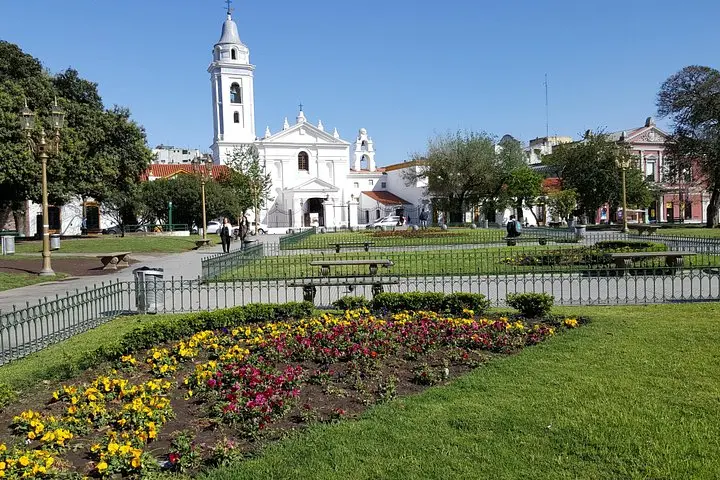
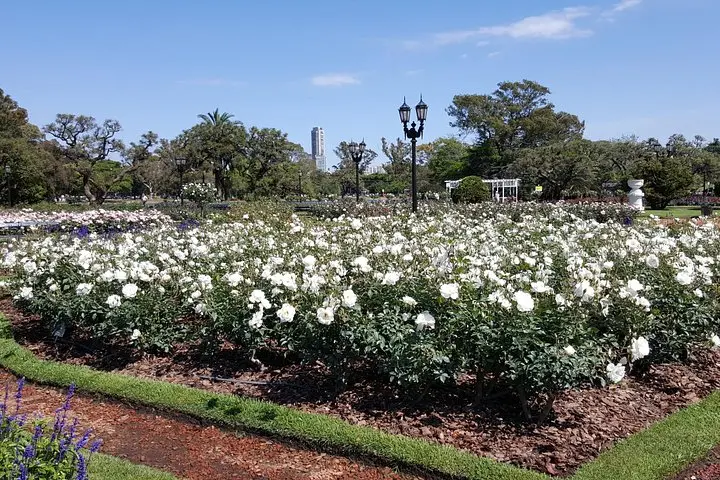
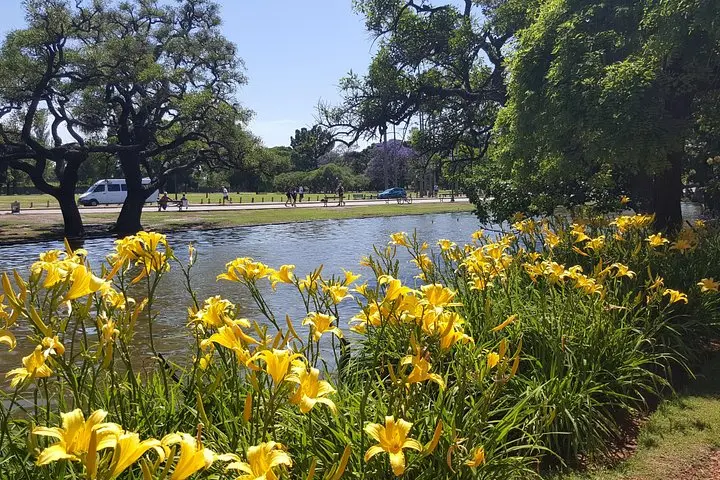
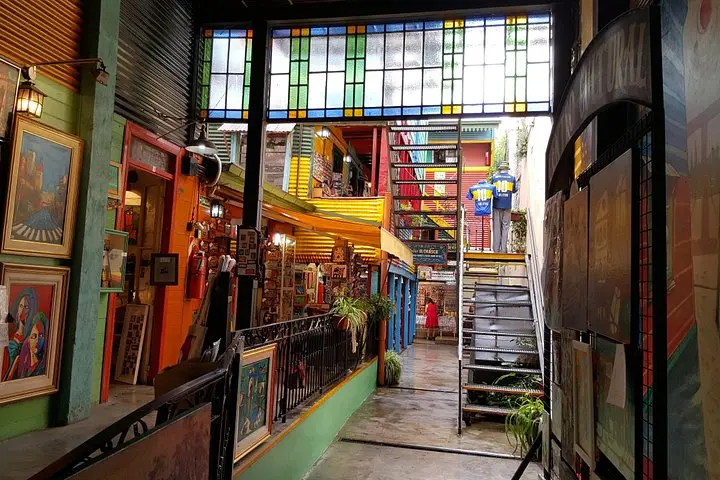
Highlights on this private route include the Rosedal in Palermo, the expansive Japanese Garden, Recoleta Cemetery’s ornate mausoleums, the bright facades of Caminito in La Boca and a drive past the Obelisk and Teatro Colón. The guide provides context: why Casa Rosada matters, how immigrant waves shaped barrios, and how the River Plate both divides and defines the city.
Practical guidance: the tour runs about eight hours in an air-conditioned vehicle with several 10–35 minute walking stops on mostly flat, cobbled streets. Bring small bills for optional entrances (Recoleta), wear comfortable shoes for short cobbled stretches, and schedule mornings to avoid the busiest crowds. Respect memorial sites and carry a water bottle — summer sun presses hard along the river, and a quick refill keeps you moving.
Yes — private transportation is provided; confirm pickup point and time when booking.
Meals are not included; the itinerary allows time for a lunch stop at a recommended local restaurant.
The vehicle and most drive-by stops are accessible, but some walking stops have cobbles or steps; contact the operator to discuss accessibility needs.
Local guides typically speak Spanish and English; confirm language preference at booking.
Altournatives operates guided outdoor trips and adventures with an emphasis on safety, stewardship, and memorable experiences.
Morning light lifts off Avenida 9 de Julio and the city exhales; a private van pulls away from a downtown hotel and the guide points toward a map of neighborhoods that read like chapters — Palermo’s rose garden, the riverfront memory park, colorful La Boca. The day moves at street level: short walks, photo stops, and time to listen.
Morning light lifts off Avenida 9 de Julio and the city exhales; a private van pulls away from a downtown hotel and the guide points toward a map of neighborhoods that read like chapters — Palermo’s rose garden, the riverfront memory park, colorful La Boca. The day moves at street level: short walks, photo stops, and time to listen.
Buenos Aires is a layered city of European-built boulevards and immigrant barrios. Its geology is simple — flat Río de la Plata lowlands — but history is dense: colonial plazas, the boom of late-19th-century architecture, and 20th-century politics that left visible marks at Parque de la Memoria and Plaza de Mayo. Culture surfaces in markets, cafés and the language of football and tango that locals carry in conversation.
Highlights on this private route include the Rosedal in Palermo, the expansive Japanese Garden, Recoleta Cemetery’s ornate mausoleums, the bright facades of Caminito in La Boca and a drive past the Obelisk and Teatro Colón. The guide provides context: why Casa Rosada matters, how immigrant waves shaped barrios, and how the River Plate both divides and defines the city.
Practical guidance: the tour runs about eight hours in an air-conditioned vehicle with several 10–35 minute walking stops on mostly flat, cobbled streets. Bring small bills for optional entrances (Recoleta), wear comfortable shoes for short cobbled stretches, and schedule mornings to avoid the busiest crowds. Respect memorial sites and carry a water bottle — summer sun presses hard along the river, and a quick refill keeps you moving.