THE ADVENTURE COLLECTIVE® · Independent discovery and booking for outdoor travel

Ride a domesticated water buffalo and learn rice-planting techniques on a short, hands-on visit to a Hoi An paddy. This 30-minute experience connects you with working farmers and the rhythms of Vietnam’s rice landscape.
Ride a domesticated water buffalo and learn rice-planting techniques on a short, hands-on visit to a Hoi An paddy. This 30-minute experience connects you with working farmers and the rhythms of Vietnam’s rice landscape.
A sun-warmed trail threads between flat, mirror-like rice paddies as water glints and the steady exhale of a water buffalo punctuates the air. You step from the path, boots sinking slightly into wet loam, and a local farmer—weathered hands steady—gestures toward a patient buffalo waiting at the field edge. For the next half hour you’ll trade pavement for mud, learning the tactile rhythm of ploughing, planting rice seedlings and feeding the animals that still shape this landscape.
Verified experiences and guided adventures in the surrounding area.
Operated by DN Tour · Hoi An, Quang Nam
A sun-warmed trail threads between flat, mirror-like rice paddies as water glints and the steady exhale of a water buffalo punctuates the air. You step from the path, boots sinking slightly into wet loam, and a local farmer—weathered hands steady—gestures toward a patient buffalo waiting at the field edge. For the next half hour you’ll trade pavement for mud, learning the tactile rhythm of ploughing, planting rice seedlings and feeding the animals that still shape this landscape.
Hoi An’s paddies sit on alluvial plains fed by the Thu Bồn and small tributaries, soils that have supported wet-rice agriculture for centuries. The buffalo has long been household engine here—gentle under human guidance, indispensable for tilling clay soil. Cultural life in the villages remains closely tied to seasonal planting cycles; community labor and simple tools still govern much of the work.
Expect hands-on instruction from local farmers rather than a formal guide: language is basic but gestures are clear. The site is intimate—small groups, direct contact with animals, and a short, focused itinerary (about 30 minutes). Timing matters: early morning or late afternoon brings cooler air and softer light for photos, while midday is hotter and muddier.
Practical notes: wear quick-drying shoes or sandals you don’t mind dirty, sun protection, and clothes you can wash. Avoid the activity if you have back problems or are pregnant—buffalo rides and field work involve jostling and uneven footing. Respect animal handlers and follow directions when approaching animals. This is a compact, sensory slice of rural Vietnam—a mix of slow labor, loud nature, and tactile learning that rewards curiosity and practical preparation.
The scheduled activity lasts about 30 minutes; allow extra time for meeting, transport, and washing up afterward.
The animals are domesticated and handlers are experienced, but the activity involves movement and uneven footing—children should be supervised and those with back or heart conditions, or who are pregnant, should not participate.
This experience is led by local farmers with limited English; interaction is hands-on and use of gestures is common—ask the operator ahead if you need more translation support.
Fields become muddier and activities may be adjusted for safety; check cancellation and refund terms, and bring rain protection if visiting during wet season.
DN Tour operates guided outdoor trips and adventures with an emphasis on safety, stewardship, and memorable experiences.
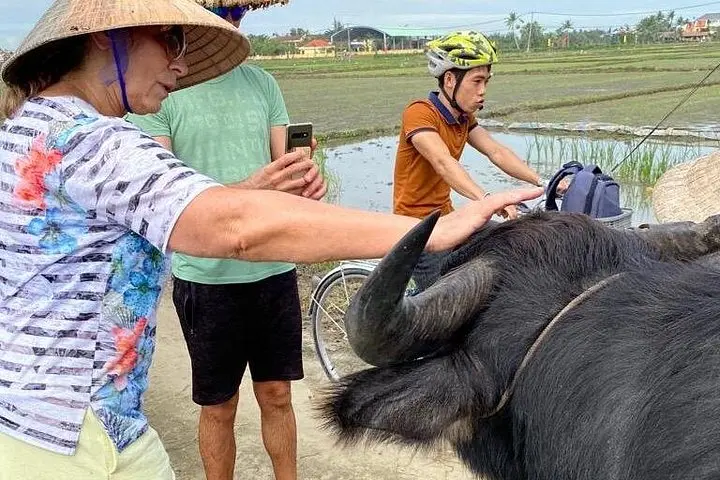
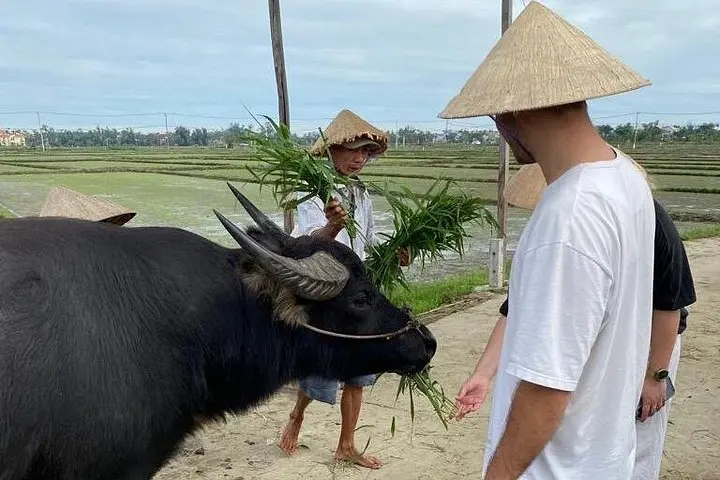
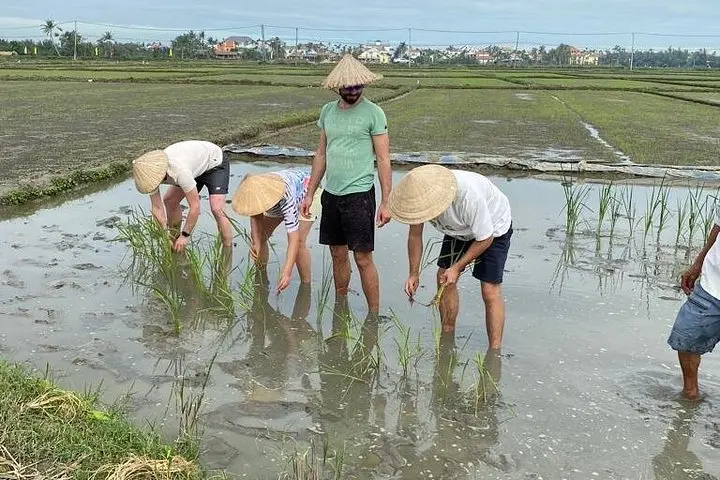
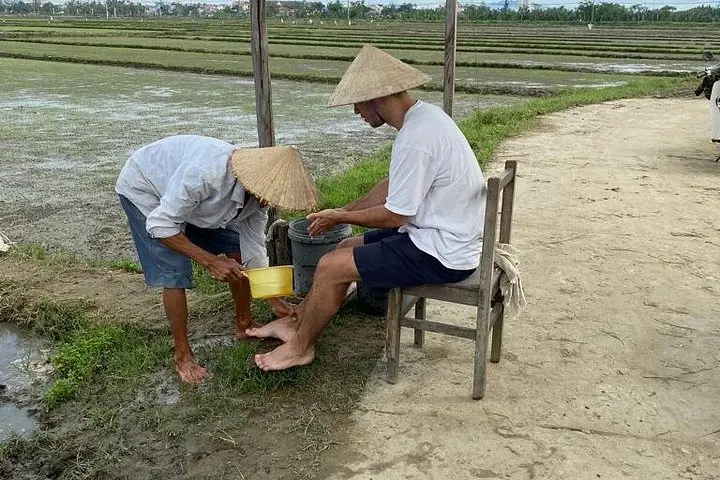
A sun-warmed trail threads between flat, mirror-like rice paddies as water glints and the steady exhale of a water buffalo punctuates the air. You step from the path, boots sinking slightly into wet loam, and a local farmer—weathered hands steady—gestures toward a patient buffalo waiting at the field edge. For the next half hour you’ll trade pavement for mud, learning the tactile rhythm of ploughing, planting rice seedlings and feeding the animals that still shape this landscape.
A sun-warmed trail threads between flat, mirror-like rice paddies as water glints and the steady exhale of a water buffalo punctuates the air. You step from the path, boots sinking slightly into wet loam, and a local farmer—weathered hands steady—gestures toward a patient buffalo waiting at the field edge. For the next half hour you’ll trade pavement for mud, learning the tactile rhythm of ploughing, planting rice seedlings and feeding the animals that still shape this landscape.
Hoi An’s paddies sit on alluvial plains fed by the Thu Bồn and small tributaries, soils that have supported wet-rice agriculture for centuries. The buffalo has long been household engine here—gentle under human guidance, indispensable for tilling clay soil. Cultural life in the villages remains closely tied to seasonal planting cycles; community labor and simple tools still govern much of the work.
Expect hands-on instruction from local farmers rather than a formal guide: language is basic but gestures are clear. The site is intimate—small groups, direct contact with animals, and a short, focused itinerary (about 30 minutes). Timing matters: early morning or late afternoon brings cooler air and softer light for photos, while midday is hotter and muddier.
Practical notes: wear quick-drying shoes or sandals you don’t mind dirty, sun protection, and clothes you can wash. Avoid the activity if you have back problems or are pregnant—buffalo rides and field work involve jostling and uneven footing. Respect animal handlers and follow directions when approaching animals. This is a compact, sensory slice of rural Vietnam—a mix of slow labor, loud nature, and tactile learning that rewards curiosity and practical preparation.