THE ADVENTURE COLLECTIVE® · Independent discovery and booking for outdoor travel

Board the Afrosiyob at dawn and arrive in Bukhara by midmorning for a guided circuit of UNESCO-listed mosques, madrasahs and bazaars. This one-day itinerary packs centuries of Silk Road history into a single, walkable loop.
Board the Afrosiyob at dawn and arrive in Bukhara by midmorning for a guided circuit of UNESCO-listed mosques, madrasahs and bazaars. This one-day itinerary packs centuries of Silk Road history into a single, walkable loop.
The day begins on a cool platform in Tashkent as the Afrosiyob high-speed train breathes steam and impatience into a carriage of early travelers. By midmorning Bukhara’s low skyline—domes, minarets and squat madrasahs—rises from the flat steppe, and the old city’s sandstone and blue-tiled facades pull you into centuries of trade and faith.
Verified experiences and guided adventures in the surrounding area.
Operated by GOTOUZBEKISTAN · Bukhara, Bukhara Region
The day begins on a cool platform in Tashkent as the Afrosiyob high-speed train breathes steam and impatience into a carriage of early travelers. By midmorning Bukhara’s low skyline—domes, minarets and squat madrasahs—rises from the flat steppe, and the old city’s sandstone and blue-tiled facades pull you into centuries of trade and faith.
Bukhara sits at the heart of the Silk Road, its urban fabric layered with Samanid brickwork, Timurid tile, and Uzbek craft traditions. Geological plain and irrigated oases allowed a city to concentrate religious schools, caravanserais and markets; the Ark citadel records occupation back to antiquity while Lyabi-Khauz and its surrounding madrasahs showcase 16th–17th century urbanism. The trading domes still hum with merchants selling metalwork, textiles and instruments, and narrow lanes deliver the everyday rhythm: tea poured, prayer calls, and bakers turning out samarkand-style breads.
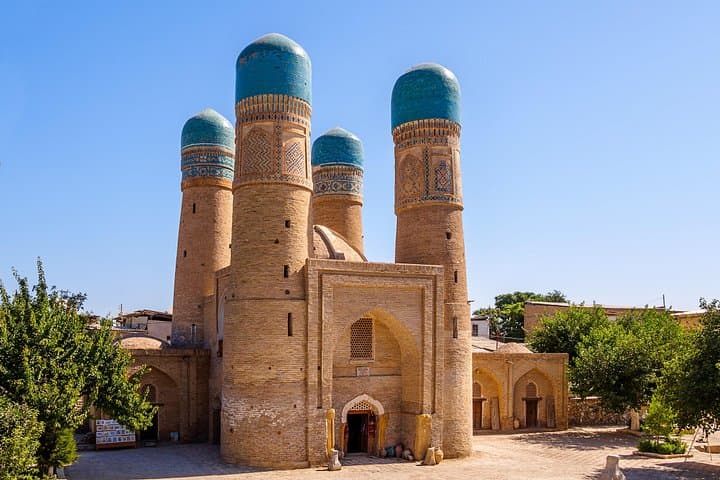
Practically, this is a long but manageable day trip. You'll disembark in the morning with a guide, walk between Po-i-Kalyan, the Samanid mausoleum, Chor-Minor and the Ark, break for a guided lunch, and finish with a late-afternoon transfer to the airport or train station for the return. Expect cobbles, sun, and many stairs; the tour involves sustained walking across uneven surfaces and multiple entry points with included fees.
Bring a refillable water bottle, sun protection, modest clothing for mosque visits, and comfortable footwear. Time your visit for early spring or fall for cooler temperatures; summer brings intense heat, and winter calls for warm layers. With planning, a one-day Bukhara tour delivers a concentrated, historically rich encounter with Central Asia’s architectural heart.
The full day lasts roughly 12–16 hours depending on connections—train to Bukhara in the morning, guided sightseeing, and an evening transfer back to Tashkent.
Yes—entrance fees to listed sites, Tashkent–Bukhara train tickets (economy), and the return flight or train are included in the tour price.
The old city has cobbled streets, stairs and uneven surfaces; visitors should have moderate mobility—contact the operator ahead to discuss assistance options.
On rare occasions the Afrosiyob is replaced by the most comfortable class of regular train; the operator will inform travelers and adjust timings accordingly.
GOTOUZBEKISTAN operates guided outdoor trips and adventures with an emphasis on safety, stewardship, and memorable experiences.
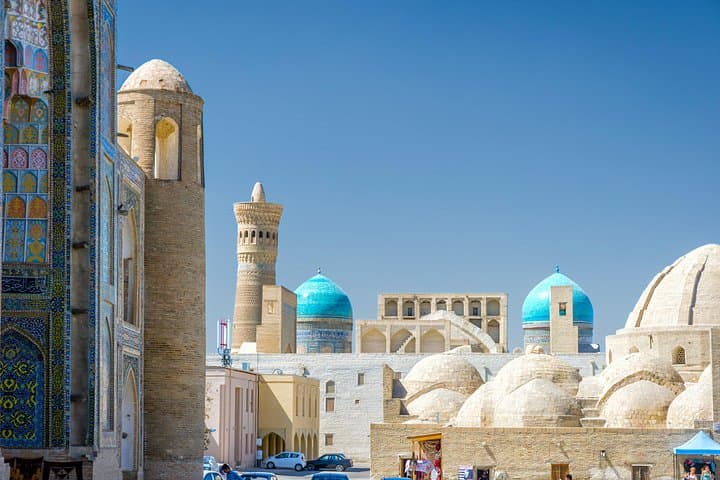
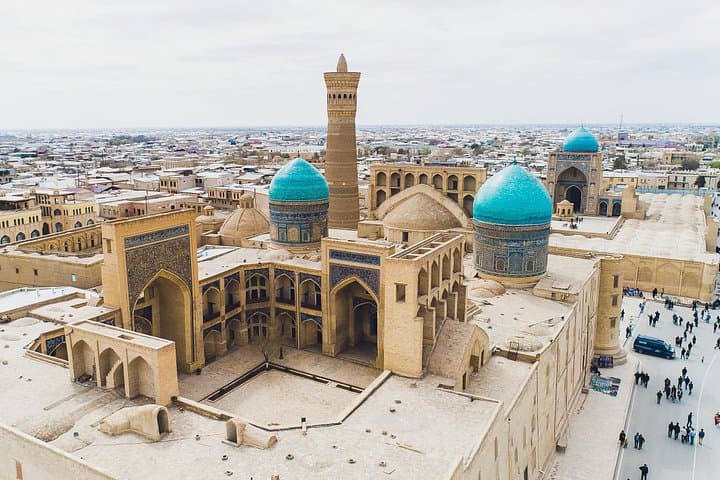
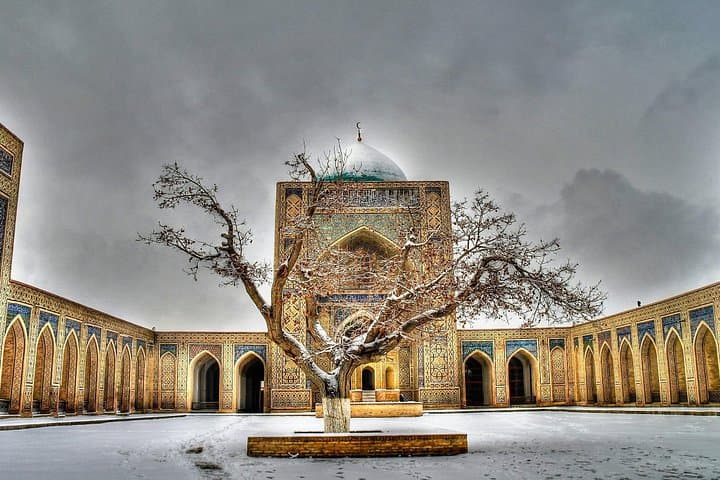
The day begins on a cool platform in Tashkent as the Afrosiyob high-speed train breathes steam and impatience into a carriage of early travelers. By midmorning Bukhara’s low skyline—domes, minarets and squat madrasahs—rises from the flat steppe, and the old city’s sandstone and blue-tiled facades pull you into centuries of trade and faith.
The day begins on a cool platform in Tashkent as the Afrosiyob high-speed train breathes steam and impatience into a carriage of early travelers. By midmorning Bukhara’s low skyline—domes, minarets and squat madrasahs—rises from the flat steppe, and the old city’s sandstone and blue-tiled facades pull you into centuries of trade and faith.
Bukhara sits at the heart of the Silk Road, its urban fabric layered with Samanid brickwork, Timurid tile, and Uzbek craft traditions. Geological plain and irrigated oases allowed a city to concentrate religious schools, caravanserais and markets; the Ark citadel records occupation back to antiquity while Lyabi-Khauz and its surrounding madrasahs showcase 16th–17th century urbanism. The trading domes still hum with merchants selling metalwork, textiles and instruments, and narrow lanes deliver the everyday rhythm: tea poured, prayer calls, and bakers turning out samarkand-style breads.
Practically, this is a long but manageable day trip. You'll disembark in the morning with a guide, walk between Po-i-Kalyan, the Samanid mausoleum, Chor-Minor and the Ark, break for a guided lunch, and finish with a late-afternoon transfer to the airport or train station for the return. Expect cobbles, sun, and many stairs; the tour involves sustained walking across uneven surfaces and multiple entry points with included fees.
Bring a refillable water bottle, sun protection, modest clothing for mosque visits, and comfortable footwear. Time your visit for early spring or fall for cooler temperatures; summer brings intense heat, and winter calls for warm layers. With planning, a one-day Bukhara tour delivers a concentrated, historically rich encounter with Central Asia’s architectural heart.