THE ADVENTURE COLLECTIVE® · Independent discovery and booking for outdoor travel

A guided ferry into Cape Romain National Wildlife Refuge leads to miles of trails, broad beaches, and the striking Boneyard Beach. This 3–4 hour ecotour blends naturalist interpretation with easy island exploration—great for families and wildlife enthusiasts.
A guided ferry into Cape Romain National Wildlife Refuge leads to miles of trails, broad beaches, and the striking Boneyard Beach. This 3–4 hour ecotour blends naturalist interpretation with easy island exploration—great for families and wildlife enthusiasts.
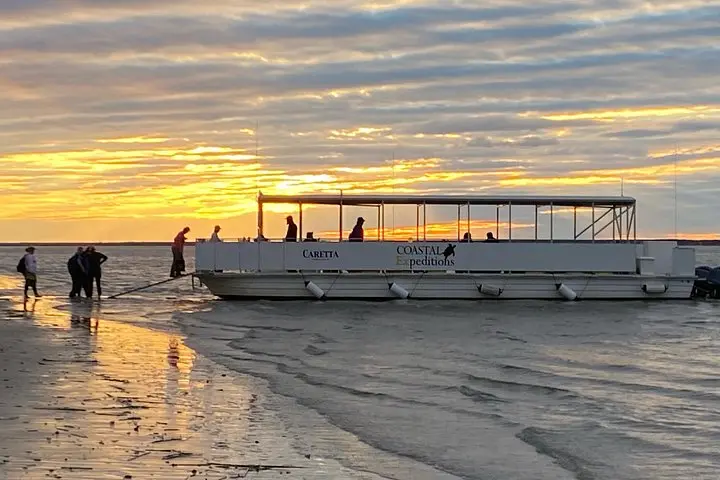
You feel the ferry’s wake push you away from the marsh—salt spray on your lips, gulls circling above as the boat threads tidal creeks toward a quiet barrier island. Naturalists narrate the crossing, pointing out dolphins hunting the surf and oystercatchers probing mudflats as the shoreline of Bulls Island comes into view.
Verified experiences and guided adventures in the surrounding area.
Operated by Coastal Expeditions · Awendaw, SC
You feel the ferry’s wake push you away from the marsh—salt spray on your lips, gulls circling above as the boat threads tidal creeks toward a quiet barrier island. Naturalists narrate the crossing, pointing out dolphins hunting the surf and oystercatchers probing mudflats as the shoreline of Bulls Island comes into view.
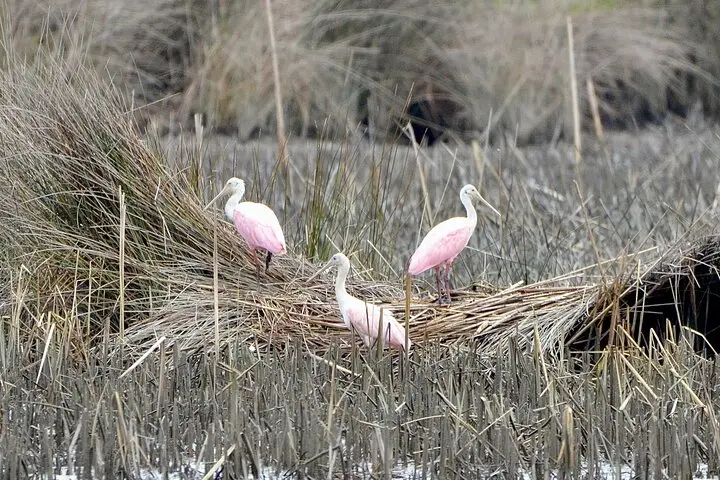
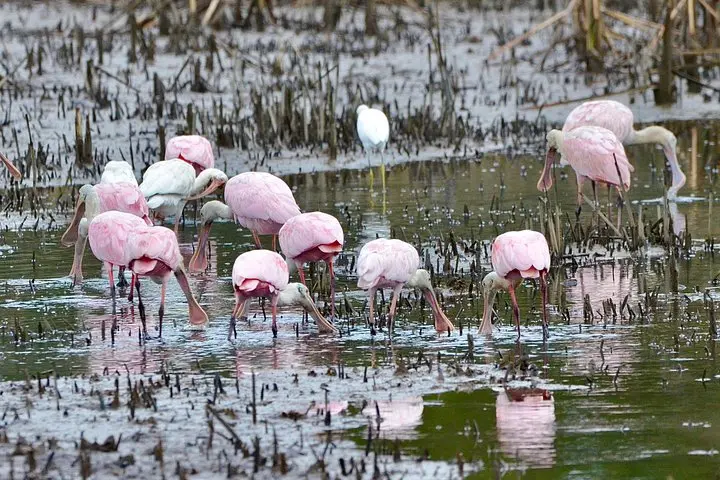
Cape Romain National Wildlife Refuge protects a dynamic coastline of barrier islands, salt marshes, and maritime forest that have shifted with storms and sea-level change over millennia. The refuge, established to safeguard migrating birds and sea turtle nesting habitat, also preserves geological processes: sand transport, dune building, and the slow collapse of old live oaks into the famous Boneyard Beach.
Onshore, trails wind through maritime forest before spilling onto broad beaches ringed by weathered oaks and cedars. Boneyard Beach’s bleached trunks create an otherworldly shoreline—ideal for photography and quiet observation. Culture here is low-key commercial fishing and maritime heritage; the rhythm of tides still dictates local life.
Practical guidance: trips run about 3–4 hours—bring sun protection, refillable water, and a sturdy pair of shoes for sand and shell-strewn paths. Pay attention to tide and ferry schedules; low tide can lengthen beach walks and exposed flats may be soft. Follow refuge rules: stay on trails, avoid disturbing nests, and pack out everything you bring.
This is a family-friendly, interpretive half-day that delivers close encounters with coastal ecosystems—accessible, educational, and quietly wild.
Yes—ferry and transportation options are wheelchair accessible, but check specifics with the operator when booking for any assistance needs.
Facilities are limited; restrooms are typically available at the departure landing but not on remote beach sections—plan accordingly.
You can bring snacks and non-alcoholic beverages for personal consumption; follow refuge rules and pack out all trash—alcohol may be restricted by operator policy.
Pets are generally not permitted due to wildlife protection rules; confirm with the operator before booking if you need to travel with a service animal.
Coastal Expeditions operates guided outdoor trips and adventures with an emphasis on safety, stewardship, and memorable experiences.
You feel the ferry’s wake push you away from the marsh—salt spray on your lips, gulls circling above as the boat threads tidal creeks toward a quiet barrier island. Naturalists narrate the crossing, pointing out dolphins hunting the surf and oystercatchers probing mudflats as the shoreline of Bulls Island comes into view.
You feel the ferry’s wake push you away from the marsh—salt spray on your lips, gulls circling above as the boat threads tidal creeks toward a quiet barrier island. Naturalists narrate the crossing, pointing out dolphins hunting the surf and oystercatchers probing mudflats as the shoreline of Bulls Island comes into view.
Cape Romain National Wildlife Refuge protects a dynamic coastline of barrier islands, salt marshes, and maritime forest that have shifted with storms and sea-level change over millennia. The refuge, established to safeguard migrating birds and sea turtle nesting habitat, also preserves geological processes: sand transport, dune building, and the slow collapse of old live oaks into the famous Boneyard Beach.
Onshore, trails wind through maritime forest before spilling onto broad beaches ringed by weathered oaks and cedars. Boneyard Beach’s bleached trunks create an otherworldly shoreline—ideal for photography and quiet observation. Culture here is low-key commercial fishing and maritime heritage; the rhythm of tides still dictates local life.
Practical guidance: trips run about 3–4 hours—bring sun protection, refillable water, and a sturdy pair of shoes for sand and shell-strewn paths. Pay attention to tide and ferry schedules; low tide can lengthen beach walks and exposed flats may be soft. Follow refuge rules: stay on trails, avoid disturbing nests, and pack out everything you bring.
This is a family-friendly, interpretive half-day that delivers close encounters with coastal ecosystems—accessible, educational, and quietly wild.