THE ADVENTURE COLLECTIVE® · Independent discovery and booking for outdoor travel

Walk ancient pilgrim trails through Thimphu, Punakha and Paro, sleep once beneath Bumdra Monastery and finish at the cliff‑perched Tiger’s Nest. This 9‑day program blends cultural immersion with sustained high‑valley hiking.
Walk ancient pilgrim trails through Thimphu, Punakha and Paro, sleep once beneath Bumdra Monastery and finish at the cliff‑perched Tiger’s Nest. This 9‑day program blends cultural immersion with sustained high‑valley hiking.
A cool Himalayan wind cuts across a high pasture as hikers shoulder daypacks and follow a ribbon of ancient trail toward Bumdra Monastery. The first light paints prayer flags and cliff temples in soft gold; below, valleys wake slowly, rivers asserting their route through terraces and pine. This is a walking holiday that balances monastery visits and mountain hiking, culminating in an overnight camp beneath the cave shrine at Bumdra and a final climb to the iconic Paro Taktsang (Tiger’s Nest).
Verified experiences and guided adventures in the surrounding area.
Operated by WORLD TOUR PLAN · Paro, Paro District
A cool Himalayan wind cuts across a high pasture as hikers shoulder daypacks and follow a ribbon of ancient trail toward Bumdra Monastery. The first light paints prayer flags and cliff temples in soft gold; below, valleys wake slowly, rivers asserting their route through terraces and pine. This is a walking holiday that balances monastery visits and mountain hiking, culminating in an overnight camp beneath the cave shrine at Bumdra and a final climb to the iconic Paro Taktsang (Tiger’s Nest).
Bhutan’s valleys reveal layered histories: dzongs built for both administration and worship, chortens marking spiritual topography, and trading routes that once linked villages and monasteries. Geologically the landscape is young — steep river-cut valleys, glacially carved basins such as Phobjikha, and sharp ridgelines that frame long views of the Greater Himalaya. Cultural rhythm is omnipresent: monks circling prayer wheels, farmers tending rice paddies, and pilgrim steps that predate modern maps.
Practical guide: the tour runs nine days and visits Thimphu, Punakha, Phobjikha and Paro; expect daily walking from easy town strolls to a 4–5 hour uphill day to Bumdra (gain ~1,000 m to 3,800 m). Trails are a mix of stone steps, packed earth and alpine pasture; ponies can carry overnight gear but hikers still need sturdy boots and basic acclimatization. Bring layered insulation, sun protection, and water treatment or bottles — altitude and sun combine unexpectedly. Start hikes early to avoid afternoon clouds; respect monastery protocols (quiet, modest dress) and leave no trace in fragile alpine pastures. The route is rewarding: sweeping Himalayan panoramas, close encounters with local monastic life, and the rare quiet of a high mountain camp under prayer flags.
The hike to the Bumdra camp is rated moderate to hard: expect 4–5 hours ascending from ~2,800 m to ~3,800 m on steep, sometimes rocky trails; basic fitness and acclimatization are important.
Yes — the tour provides camping equipment, dinner, breakfast and two lunches for the overnight at Bumdra Wilderness Camp.
Yes, the itinerary schedules the Bumdra overnight followed by return to Paro and a separate hike to Paro Taktsang; the Tiger’s Nest walk is strenuous but shorter than the Bumdra ascent.
International visitors to Bhutan require a visa arranged through a licensed operator; this tour package includes required fees (including SDF and visa assistance) as noted in the inclusions.
WORLD TOUR PLAN operates guided outdoor trips and adventures with an emphasis on safety, stewardship, and memorable experiences.
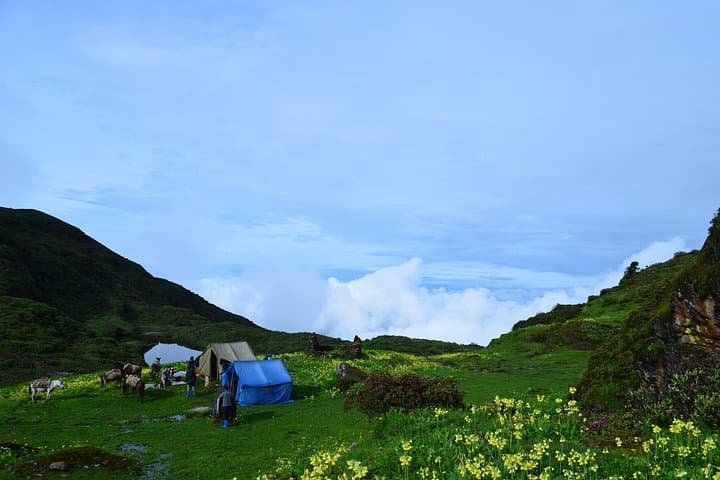
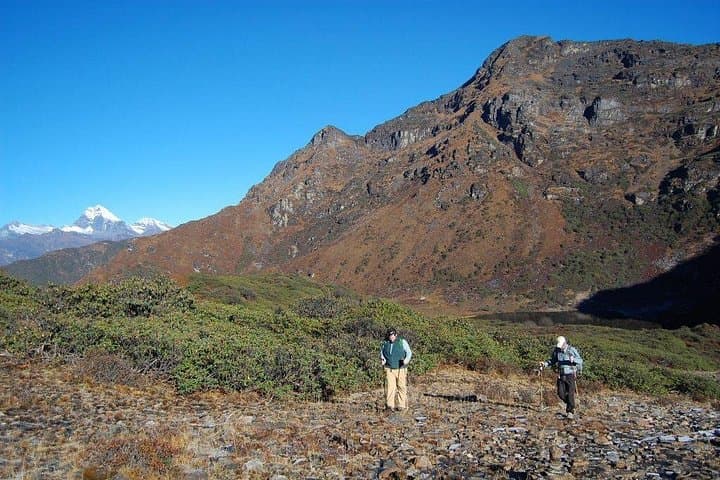
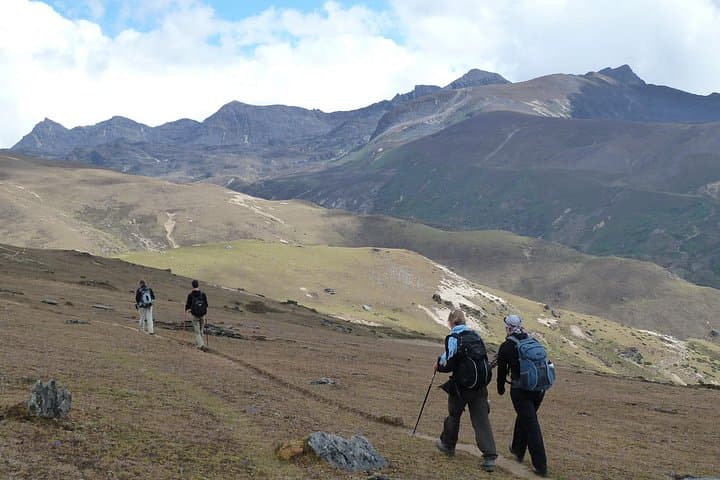
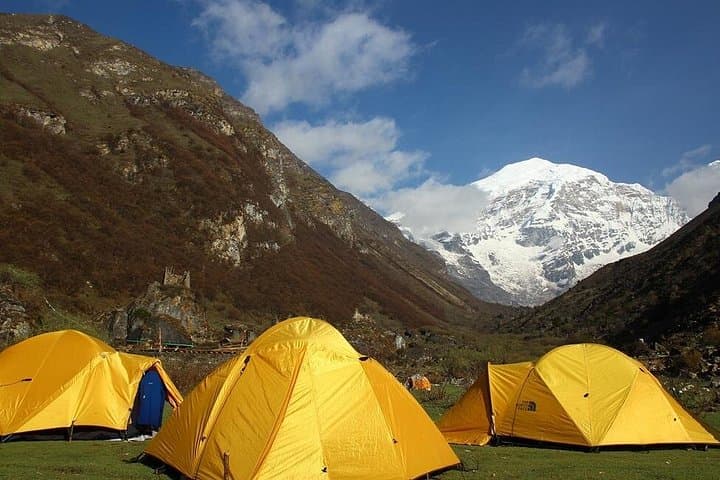
A cool Himalayan wind cuts across a high pasture as hikers shoulder daypacks and follow a ribbon of ancient trail toward Bumdra Monastery. The first light paints prayer flags and cliff temples in soft gold; below, valleys wake slowly, rivers asserting their route through terraces and pine. This is a walking holiday that balances monastery visits and mountain hiking, culminating in an overnight camp beneath the cave shrine at Bumdra and a final climb to the iconic Paro Taktsang (Tiger’s Nest).
A cool Himalayan wind cuts across a high pasture as hikers shoulder daypacks and follow a ribbon of ancient trail toward Bumdra Monastery. The first light paints prayer flags and cliff temples in soft gold; below, valleys wake slowly, rivers asserting their route through terraces and pine. This is a walking holiday that balances monastery visits and mountain hiking, culminating in an overnight camp beneath the cave shrine at Bumdra and a final climb to the iconic Paro Taktsang (Tiger’s Nest).
Bhutan’s valleys reveal layered histories: dzongs built for both administration and worship, chortens marking spiritual topography, and trading routes that once linked villages and monasteries. Geologically the landscape is young — steep river-cut valleys, glacially carved basins such as Phobjikha, and sharp ridgelines that frame long views of the Greater Himalaya. Cultural rhythm is omnipresent: monks circling prayer wheels, farmers tending rice paddies, and pilgrim steps that predate modern maps.
Practical guide: the tour runs nine days and visits Thimphu, Punakha, Phobjikha and Paro; expect daily walking from easy town strolls to a 4–5 hour uphill day to Bumdra (gain ~1,000 m to 3,800 m). Trails are a mix of stone steps, packed earth and alpine pasture; ponies can carry overnight gear but hikers still need sturdy boots and basic acclimatization. Bring layered insulation, sun protection, and water treatment or bottles — altitude and sun combine unexpectedly. Start hikes early to avoid afternoon clouds; respect monastery protocols (quiet, modest dress) and leave no trace in fragile alpine pastures. The route is rewarding: sweeping Himalayan panoramas, close encounters with local monastic life, and the rare quiet of a high mountain camp under prayer flags.