THE ADVENTURE COLLECTIVE® · Independent discovery and booking for outdoor travel
A compact overnight trek above Paro that takes you to Bumdra Ridge for a rare, ridge‑top view of the Tiger’s Nest Monastery. Expect steep switchbacks, a single night of camping, and sunrise over one of Bhutan’s most sacred cliffs.
A compact overnight trek above Paro that takes you to Bumdra Ridge for a rare, ridge‑top view of the Tiger’s Nest Monastery. Expect steep switchbacks, a single night of camping, and sunrise over one of Bhutan’s most sacred cliffs.
The trail opens with a cool Paro morning: prayer flags twitch, stony terraces fall away to the valley, and the air thins as you climb toward the ridge that frames Taktsang. Trees lean into the path as if pointing the way, and the ridge itself dares you upward with a steady, honest slope. By late afternoon the vista of the Tiger's Nest Monastery appears across a cradle of cliffs — a view most day hikers don’t see.
Verified experiences and guided adventures in the surrounding area.
Operated by Bhutan Swallowtail Tours & Travels · Paro, Paro District
The trail opens with a cool Paro morning: prayer flags twitch, stony terraces fall away to the valley, and the air thins as you climb toward the ridge that frames Taktsang. Trees lean into the path as if pointing the way, and the ridge itself dares you upward with a steady, honest slope. By late afternoon the vista of the Tiger's Nest Monastery appears across a cradle of cliffs — a view most day hikers don’t see.
Bumdra (Bumdrak) is part of the same sacred landscape as Paro Taktsang, the 17th‑century monastery built around a cave associated with Guru Rinpoche (Padmasambhava). Geologically you move from cultivated valley benches to glacially sculpted rock and scrubby alpine ridgelines; the soil thins and the conifers grow gnarled. Culturally, this route passes small lhakhangs and mani walls — reminders that this is walking through living Himalayan heritage.
Expect roughly 6–10 km of hiking each day with 600–1,000 m of elevation gain overall, single‑track trails, rocky switchbacks and one night of backcountry camping. The terrain grinds your legs and rewards them with open ridgeline winds and a sunrise over the monastery that feels earned.
Practical notes: acclimatize in Paro (2,200–2,500 m) before attempting the ascent, carry layered insulation for cold nights at ~3,000+ m, and pack a headlamp and water treatment. Guides handle permits, food and equipment; bring trekking boots with solid ankle support and a light sleeping bag rated to near freezing. Start early to avoid mid‑day cloud and give yourself time for steep sections. Leave no trace — campsites in this sacred landscape are fragile and respected by local communities.
Permits for trekking in Bhutan and access to certain sacred sites are handled by licensed operators; this trek is usually booked with a guide who arranges necessary permissions.
Expect 600–1,000 m of ascent across the itinerary; proper acclimatization in Paro and a measured hiking pace reduce risk of altitude symptoms.
Operators typically supply one night of camping equipment, a local trekking chef, mats and sleeping arrangements—bring a warm sleeping bag for cold nights.
Fit beginners with prior day‑hike experience can attempt it with a guide, but those with heart or severe back issues should avoid it due to steep, sustained climbing.
Bhutan Swallowtail Tours & Travels operates guided outdoor trips and adventures with an emphasis on safety, stewardship, and memorable experiences.
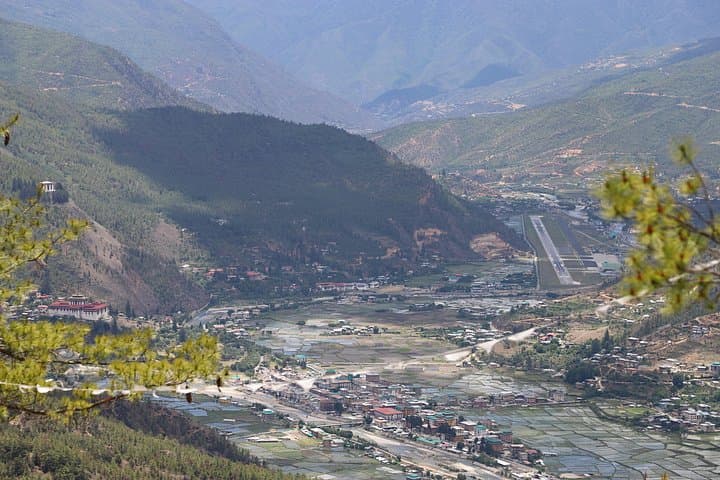
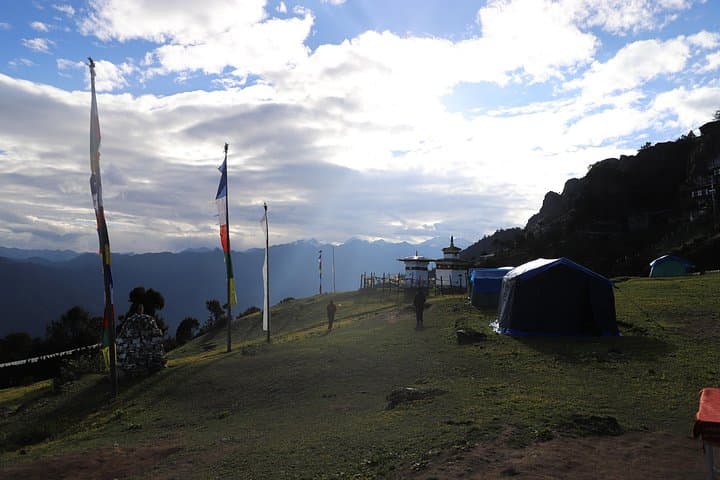
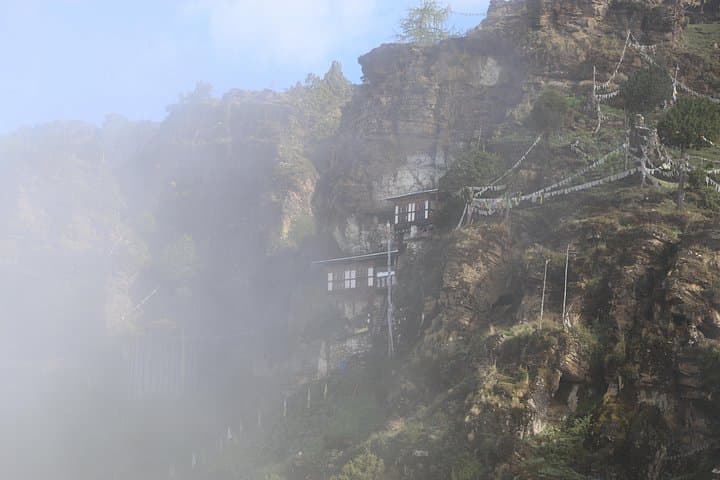
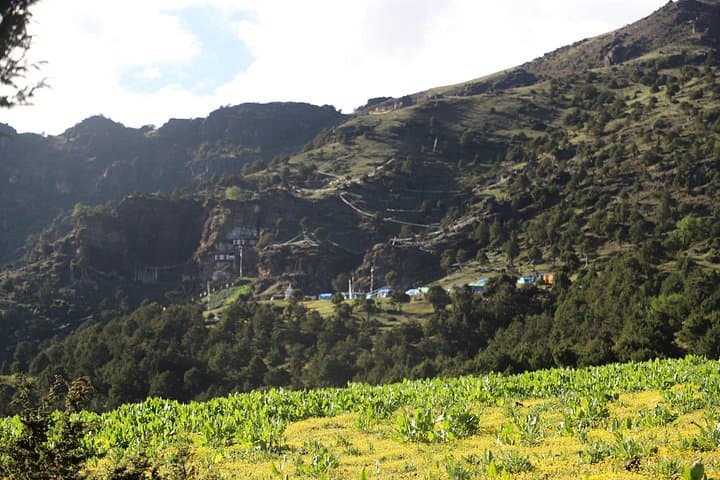
The trail opens with a cool Paro morning: prayer flags twitch, stony terraces fall away to the valley, and the air thins as you climb toward the ridge that frames Taktsang. Trees lean into the path as if pointing the way, and the ridge itself dares you upward with a steady, honest slope. By late afternoon the vista of the Tiger's Nest Monastery appears across a cradle of cliffs — a view most day hikers don’t see.
The trail opens with a cool Paro morning: prayer flags twitch, stony terraces fall away to the valley, and the air thins as you climb toward the ridge that frames Taktsang. Trees lean into the path as if pointing the way, and the ridge itself dares you upward with a steady, honest slope. By late afternoon the vista of the Tiger's Nest Monastery appears across a cradle of cliffs — a view most day hikers don’t see.
Bumdra (Bumdrak) is part of the same sacred landscape as Paro Taktsang, the 17th‑century monastery built around a cave associated with Guru Rinpoche (Padmasambhava). Geologically you move from cultivated valley benches to glacially sculpted rock and scrubby alpine ridgelines; the soil thins and the conifers grow gnarled. Culturally, this route passes small lhakhangs and mani walls — reminders that this is walking through living Himalayan heritage.
Expect roughly 6–10 km of hiking each day with 600–1,000 m of elevation gain overall, single‑track trails, rocky switchbacks and one night of backcountry camping. The terrain grinds your legs and rewards them with open ridgeline winds and a sunrise over the monastery that feels earned.
Practical notes: acclimatize in Paro (2,200–2,500 m) before attempting the ascent, carry layered insulation for cold nights at ~3,000+ m, and pack a headlamp and water treatment. Guides handle permits, food and equipment; bring trekking boots with solid ankle support and a light sleeping bag rated to near freezing. Start early to avoid mid‑day cloud and give yourself time for steep sections. Leave no trace — campsites in this sacred landscape are fragile and respected by local communities.
