THE ADVENTURE COLLECTIVE® · Independent discovery and booking for outdoor travel

Spend a day in Bundala National Park observing migratory waterbirds across Ramsar-listed wetlands. This guided safari from Ahangama pairs early-morning birding with local coastal culture and easy 4WD access.
Spend a day in Bundala National Park observing migratory waterbirds across Ramsar-listed wetlands. This guided safari from Ahangama pairs early-morning birding with local coastal culture and easy 4WD access.
A dawn jeep moves through reeds and salt pans as the southern sun lifts off the Indian Ocean—flocks split and recombine, color flashing as waders and waterfowl claim shallow pools. On this day tour from Ahangama you watch migratory birds map the wetlands, while the marshes push gentle currents of life across Bundala’s mudflats.
Verified experiences and guided adventures in the surrounding area.
Operated by Lakpura LLC · Ahangama, Southern Province
A dawn jeep moves through reeds and salt pans as the southern sun lifts off the Indian Ocean—flocks split and recombine, color flashing as waders and waterfowl claim shallow pools. On this day tour from Ahangama you watch migratory birds map the wetlands, while the marshes push gentle currents of life across Bundala’s mudflats.
Bundala became a protected wildlife sanctuary in 1969, a national park in 1993 and Sri Lanka’s first Ramsar wetland; UNESCO later recognized it as a biosphere reserve. Geology here is coastal plain and lagoon: low-lying sand, saline pans and tidal channels that concentrate food for birds. Local communities still fish and tend mangrove edges, and Kirinda’s temple and nearby fishing villages provide cultural context to the landscape.
Expect short, bumpy rides in a 4WD jeep across salt-scarred tracks and scrub—each stop is a window to herons, flamingos, and seasonal migrants. Bring binoculars and a telephoto lens; the park’s best sightings often arrive at first light and again near dusk when waders probe exposed flats. Temperatures rise quickly, so time your visit for morning or late afternoon and carry water, sun protection and insect repellent.
Practicalities: tours include pickup from Ahangama, an English-speaking driver and park entry logistics. The route is suitable for travelers with moderate fitness; boardings are short but uneven. Photography and patient observation reward the quiet hours—listen for reed warblers and the clack of stilt feet, and follow guide instructions to minimize disturbance. Bundala is a living wetland: respect the rules, and you’ll leave with a clearer sense of the migratory routes that stitch this coast to distant hemispheres.
Most departures are early morning from Ahangama to catch peak bird activity; expect a pickup around dawn depending on location.
Tours usually include the jeep safari and transport; confirm local park entry fees and any government charges during booking.
Yes, if they can manage short walks on uneven ground and vehicle transfers; advise checking mobility needs in advance.
Expect Sri Lanka’s resident waterbirds plus migrants such as Eurasian waders, flamingos, herons and occasional raptors—seasonality affects exact sightings.
Lakpura LLC operates guided outdoor trips and adventures with an emphasis on safety, stewardship, and memorable experiences.

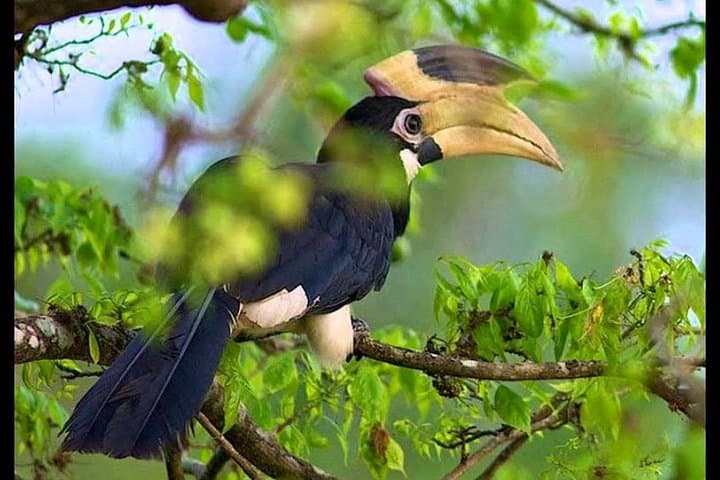


A dawn jeep moves through reeds and salt pans as the southern sun lifts off the Indian Ocean—flocks split and recombine, color flashing as waders and waterfowl claim shallow pools. On this day tour from Ahangama you watch migratory birds map the wetlands, while the marshes push gentle currents of life across Bundala’s mudflats.
A dawn jeep moves through reeds and salt pans as the southern sun lifts off the Indian Ocean—flocks split and recombine, color flashing as waders and waterfowl claim shallow pools. On this day tour from Ahangama you watch migratory birds map the wetlands, while the marshes push gentle currents of life across Bundala’s mudflats.
Bundala became a protected wildlife sanctuary in 1969, a national park in 1993 and Sri Lanka’s first Ramsar wetland; UNESCO later recognized it as a biosphere reserve. Geology here is coastal plain and lagoon: low-lying sand, saline pans and tidal channels that concentrate food for birds. Local communities still fish and tend mangrove edges, and Kirinda’s temple and nearby fishing villages provide cultural context to the landscape.
Expect short, bumpy rides in a 4WD jeep across salt-scarred tracks and scrub—each stop is a window to herons, flamingos, and seasonal migrants. Bring binoculars and a telephoto lens; the park’s best sightings often arrive at first light and again near dusk when waders probe exposed flats. Temperatures rise quickly, so time your visit for morning or late afternoon and carry water, sun protection and insect repellent.
Practicalities: tours include pickup from Ahangama, an English-speaking driver and park entry logistics. The route is suitable for travelers with moderate fitness; boardings are short but uneven. Photography and patient observation reward the quiet hours—listen for reed warblers and the clack of stilt feet, and follow guide instructions to minimize disturbance. Bundala is a living wetland: respect the rules, and you’ll leave with a clearer sense of the migratory routes that stitch this coast to distant hemispheres.