THE ADVENTURE COLLECTIVE® · Independent discovery and booking for outdoor travel
Explore Bundala’s salt flats and lagoons by jeep, where migratory shorebirds and occasional elephants shape the landscape. This practical guide covers what to expect, when to go, and how to prepare for a 3–4 hour wildlife-focused safari.
Explore Bundala’s salt flats and lagoons by jeep, where migratory shorebirds and occasional elephants shape the landscape. This practical guide covers what to expect, when to go, and how to prepare for a 3–4 hour wildlife-focused safari.
The jeep eases along a salt-flat track, dust rising like a curtain as low lagoons catch the morning light. Waders crowd the shallows and a lone painted stork cranes its neck — the park seems to breathe in birdsong and tide, daring you to keep pace.
Verified experiences and guided adventures in the surrounding area.
Operated by Earth Lanka Day tours · Hambantota, Southern Province
The jeep eases along a salt-flat track, dust rising like a curtain as low lagoons catch the morning light. Waders crowd the shallows and a lone painted stork cranes its neck — the park seems to breathe in birdsong and tide, daring you to keep pace.
Bundala National Park sits on Sri Lanka’s southeastern coast where coastal lagoons, sand dunes and thorn scrub meet the Indian Ocean. Declared a national park and later recognized as a Ramsar wetland, Bundala is a stopover for migratory shorebirds and a year-round home to resident species. The geology is coastal plain: shallow lagoons carved by tidal flows, interspersed with salt pans and scrub that shape where birds and mammals feed.
Local culture around Hambantota and Kirinda is fishing and small-scale salt production; visiting guides often combine natural history with village knowledge of tides and seasonal fish runs. Guides in open jeeps track flocks, scan mangroves and point out subtle field marks that separate similar species.
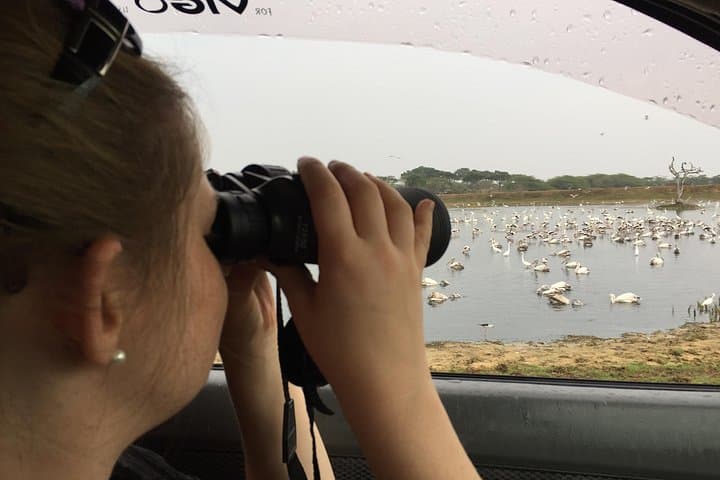
Practical guide: aim for early morning or late afternoon for the best light and active birds; a standard jeep loop lasts about 3–4 hours. Bring binoculars or use the provided optics, wear sun protection and insect repellent, and keep movement quiet — quiet windows and steady camera technique improve sightings. Expect short bumpy sections and minimal walking; the jeep does the mileage. Respect park rules, keep distance from wildlife (especially elephants), and follow your guide’s directions to maximize sightings while minimizing impact.
Typical shared jeep tours last about 3–4 hours, covering lagoon edges, salt pans and scrubland with multiple stop for viewing.
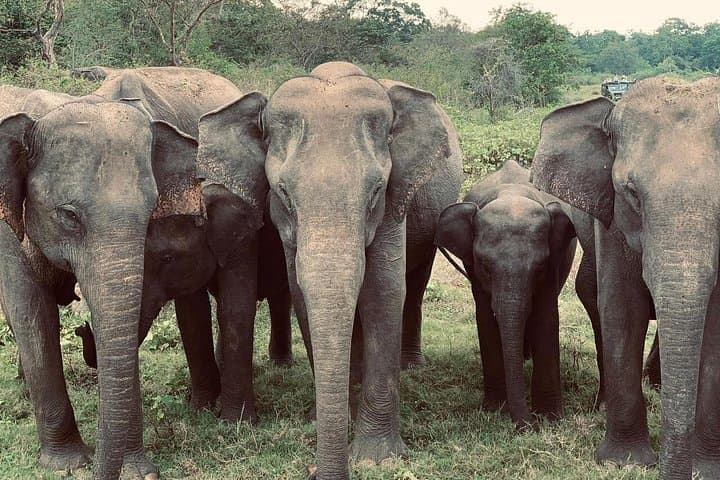
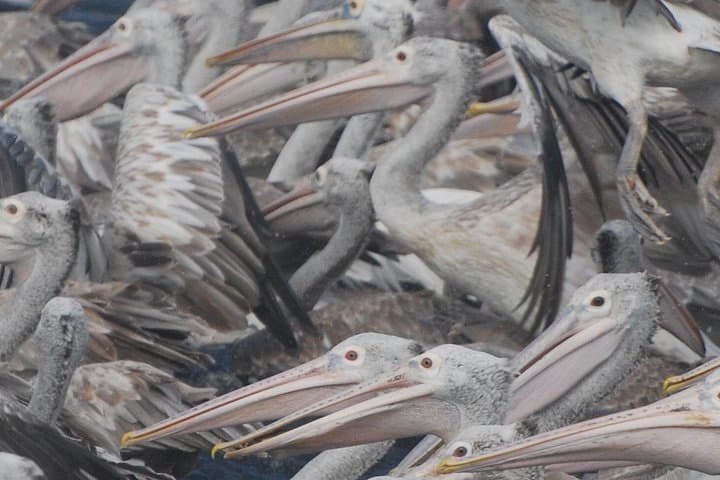
Expect migratory shorebirds (flamingos, pelicans, stints), resident waders and occasionally mammals such as Asian elephants and the elusive Sri Lankan fishing cat.
Yes, Bundala is open year-round, but bird concentrations and access roads vary with the monsoon—ask your operator about conditions before booking.
Entrance fees and park regulations apply; guided jeeps are standard and recommended to navigate tracks and maximize wildlife sightings—operators usually handle permits.
Earth Lanka Day tours operates guided outdoor trips and adventures with an emphasis on safety, stewardship, and memorable experiences.
The jeep eases along a salt-flat track, dust rising like a curtain as low lagoons catch the morning light. Waders crowd the shallows and a lone painted stork cranes its neck — the park seems to breathe in birdsong and tide, daring you to keep pace.
The jeep eases along a salt-flat track, dust rising like a curtain as low lagoons catch the morning light. Waders crowd the shallows and a lone painted stork cranes its neck — the park seems to breathe in birdsong and tide, daring you to keep pace.
Bundala National Park sits on Sri Lanka’s southeastern coast where coastal lagoons, sand dunes and thorn scrub meet the Indian Ocean. Declared a national park and later recognized as a Ramsar wetland, Bundala is a stopover for migratory shorebirds and a year-round home to resident species. The geology is coastal plain: shallow lagoons carved by tidal flows, interspersed with salt pans and scrub that shape where birds and mammals feed.
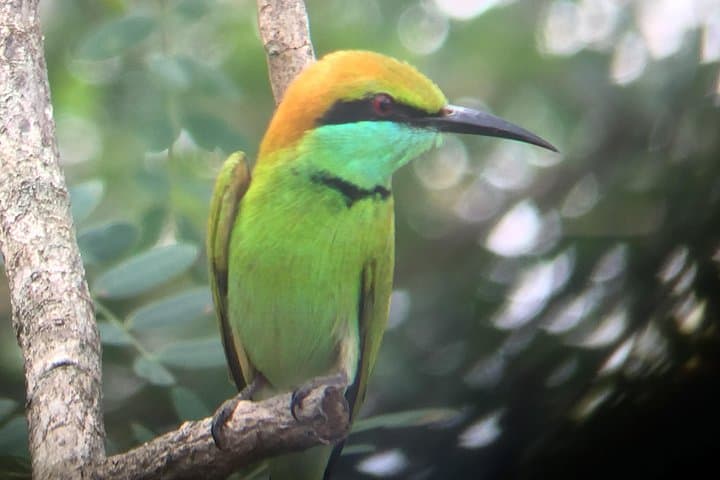
Local culture around Hambantota and Kirinda is fishing and small-scale salt production; visiting guides often combine natural history with village knowledge of tides and seasonal fish runs. Guides in open jeeps track flocks, scan mangroves and point out subtle field marks that separate similar species.
Practical guide: aim for early morning or late afternoon for the best light and active birds; a standard jeep loop lasts about 3–4 hours. Bring binoculars or use the provided optics, wear sun protection and insect repellent, and keep movement quiet — quiet windows and steady camera technique improve sightings. Expect short bumpy sections and minimal walking; the jeep does the mileage. Respect park rules, keep distance from wildlife (especially elephants), and follow your guide’s directions to maximize sightings while minimizing impact.
