THE ADVENTURE COLLECTIVE® · Independent discovery and booking for outdoor travel

Spend a full day in Bundala National Park scanning lagoons and salt flats for flamingos, shorebirds and marsh crocodiles. This vehicle-based safari offers concentrated birding and wildlife viewing with hotel pickup and a picnic lunch.
Spend a full day in Bundala National Park scanning lagoons and salt flats for flamingos, shorebirds and marsh crocodiles. This vehicle-based safari offers concentrated birding and wildlife viewing with hotel pickup and a picnic lunch.
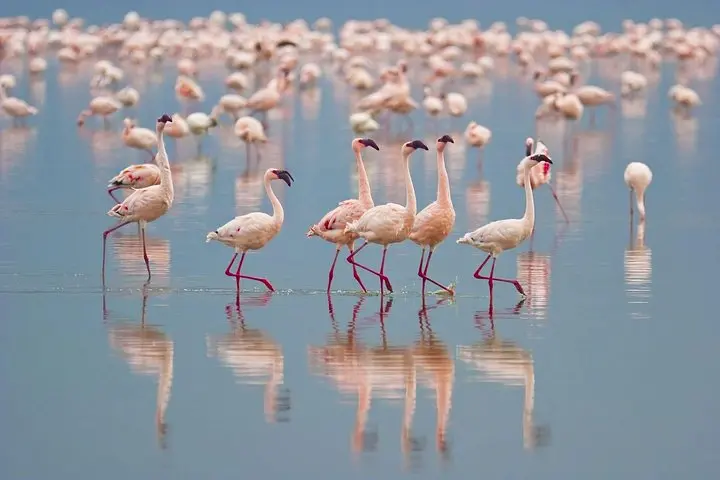
The day begins before dawn when the jeep's engine stirs and the park's shallow lagoons shift from ink to steel. Early light picks out long-legged silhouettes — flamingos and waders that claim these salt pans as if testing the air — while the shoreline reeds ripple with the movement of monitors and marsh crocodiles.
Verified experiences and guided adventures in the surrounding area.
Operated by Beyond Escapes · Hambantota, Southern Province
The day begins before dawn when the jeep's engine stirs and the park's shallow lagoons shift from ink to steel. Early light picks out long-legged silhouettes — flamingos and waders that claim these salt pans as if testing the air — while the shoreline reeds ripple with the movement of monitors and marsh crocodiles.
Bundala National Park sits on Sri Lanka's southeastern coast, a low-lying mosaic of lagoons, sand dunes, salt flats and scrub that was declared a national park in the 20th century and later recognized under the Ramsar Convention for its importance to migratory waterbirds. Geologically recent coastal deposits and tidal channels create shifting feeding grounds; culturally, nearby villages like Kirinda carry fishing traditions that have coexisted with the park for generations.
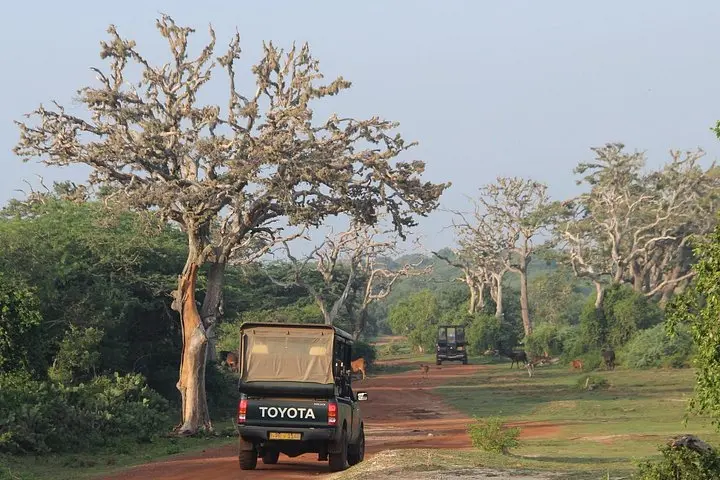
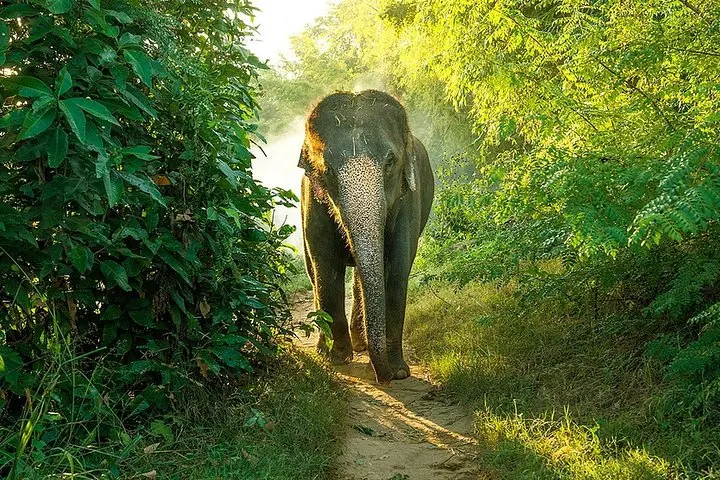
On a full-day game drive you'll follow unpaved service tracks, scanning tidal flats and inland marshes. Between October and March the park fills with migrants from Siberia and beyond — tens of thousands of shorebirds at peak — while resident species, elephants and the occasional jackal use the scrub away from the lagoons.
Practical guidance: this is a vehicle-based safari with hotel pickup and a picnic lunch; expect 10–12 hours door-to-door. Wear breathable, neutral clothing and closed-toe shoes for short walks; bring binoculars, sun protection and insect repellent. Hydrate through the day and keep noise low to improve sightings. The park's low relief means little elevation gain but strong coastal sun and variable terrain underfoot. With some planning, a full day here delivers concentrated birdlife, confident crocodiles in the shallows, and a clear read on Sri Lanka's coastal ecology.
Yes — admission is included with this full-day private tour as specified in the itinerary.
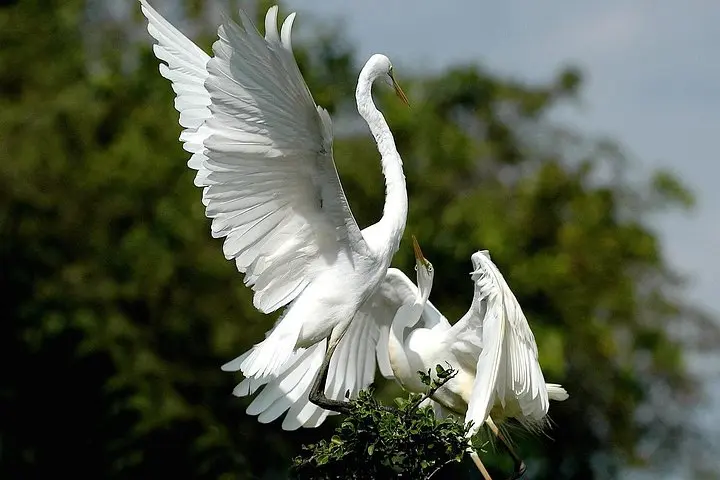
Expect extensive waterbird diversity (including greater flamingo at times), shorebirds, monitors, marsh crocodiles and occasional sightings of elephant, spotted deer and jackal.
The tour is suitable for most ages, but children must be accompanied by an adult; those with serious heart or spinal conditions are advised not to join.
Peak migrant numbers are typically October through March, when large flocks of shorebirds and flamingos arrive.
Beyond Escapes operates guided outdoor trips and adventures with an emphasis on safety, stewardship, and memorable experiences.
The day begins before dawn when the jeep's engine stirs and the park's shallow lagoons shift from ink to steel. Early light picks out long-legged silhouettes — flamingos and waders that claim these salt pans as if testing the air — while the shoreline reeds ripple with the movement of monitors and marsh crocodiles.
The day begins before dawn when the jeep's engine stirs and the park's shallow lagoons shift from ink to steel. Early light picks out long-legged silhouettes — flamingos and waders that claim these salt pans as if testing the air — while the shoreline reeds ripple with the movement of monitors and marsh crocodiles.
Bundala National Park sits on Sri Lanka's southeastern coast, a low-lying mosaic of lagoons, sand dunes, salt flats and scrub that was declared a national park in the 20th century and later recognized under the Ramsar Convention for its importance to migratory waterbirds. Geologically recent coastal deposits and tidal channels create shifting feeding grounds; culturally, nearby villages like Kirinda carry fishing traditions that have coexisted with the park for generations.
On a full-day game drive you'll follow unpaved service tracks, scanning tidal flats and inland marshes. Between October and March the park fills with migrants from Siberia and beyond — tens of thousands of shorebirds at peak — while resident species, elephants and the occasional jackal use the scrub away from the lagoons.
Practical guidance: this is a vehicle-based safari with hotel pickup and a picnic lunch; expect 10–12 hours door-to-door. Wear breathable, neutral clothing and closed-toe shoes for short walks; bring binoculars, sun protection and insect repellent. Hydrate through the day and keep noise low to improve sightings. The park's low relief means little elevation gain but strong coastal sun and variable terrain underfoot. With some planning, a full day here delivers concentrated birdlife, confident crocodiles in the shallows, and a clear read on Sri Lanka's coastal ecology.