THE ADVENTURE COLLECTIVE® · Independent discovery and booking for outdoor travel

Take a three-hour 4x4 jeep safari through Bundala’s Ramsar wetlands to see hundreds of waterbirds, colorful butterflies, and coastal marshes. This guided ride pairs easy logistics with high wildlife density—ideal for photographers and birders wanting close-up views without long hikes.
Take a three-hour 4x4 jeep safari through Bundala’s Ramsar wetlands to see hundreds of waterbirds, colorful butterflies, and coastal marshes. This guided ride pairs easy logistics with high wildlife density—ideal for photographers and birders wanting close-up views without long hikes.
Low light spills across shallow lagoons as a 4x4 eases down a salt-scarred track; spoonbills wheel like punctuation marks over reed beds while the jeep bumps toward a flamingo flock. In Bundala the marshes feel alive—water channels that dare you to lean closer, mud flats that shift with tide and wind, and flocks that reorganize like a slow, breathing organism.
Verified experiences and guided adventures in the surrounding area.
Operated by Travceylon Leisure · Hambantota, Southern Province
Low light spills across shallow lagoons as a 4x4 eases down a salt-scarred track; spoonbills wheel like punctuation marks over reed beds while the jeep bumps toward a flamingo flock. In Bundala the marshes feel alive—water channels that dare you to lean closer, mud flats that shift with tide and wind, and flocks that reorganize like a slow, breathing organism.
Designated a Ramsar wetland and declared a national park in 1993 (it was a sanctuary from 1969), Bundala protects a mosaic of saline lagoons, scrub, and coastal dunes where roughly 200 bird species congregate—over 50 migratory species among them. Geologically the park is coastal alluvium and lagoonal marsh, shaped by monsoons and tidal exchange; culturally, nearby fishing villages and salt pans have coexisted with this wildlife for generations.
The standard jeep safari runs about three hours in an open multi-terrain vehicle, with a local driver-tracker guiding views to concentrated feeding sites, butterfly patches, and mammal sightings. Practicalities: bring binoculars and a telephoto, wear neutral tones and sturdy shoes for short walks, and carry sun protection and insect repellent. Mornings and late afternoons offer the best light and bird activity; midday brings heat and quieter ponds.
Respect breeding zones—many species nest here May–July—and stay on established tracks to limit disturbance. The trip is low-exertion but high-reward: expect up-close avian spectacles, variable light, and a compact education in wetland ecology that changes with every tide.
Yes—this excursion includes park admission and a 4x4 safari jeep with an experienced driver/tracker.
Free pickup/drop-off is provided within a 5 km radius of the park gate; confirm exact pickup point at booking.
The safari is suitable for most ages but requires stepping into and out of a raised 4x4; not recommended for those with serious spinal or cardiovascular conditions or for pregnant travelers.
Early morning and late afternoon offer the most activity and best light; May–July has intense nesting in some habitats, while migratory peaks commonly occur in the northern winter months.
Travceylon Leisure operates guided outdoor trips and adventures with an emphasis on safety, stewardship, and memorable experiences.
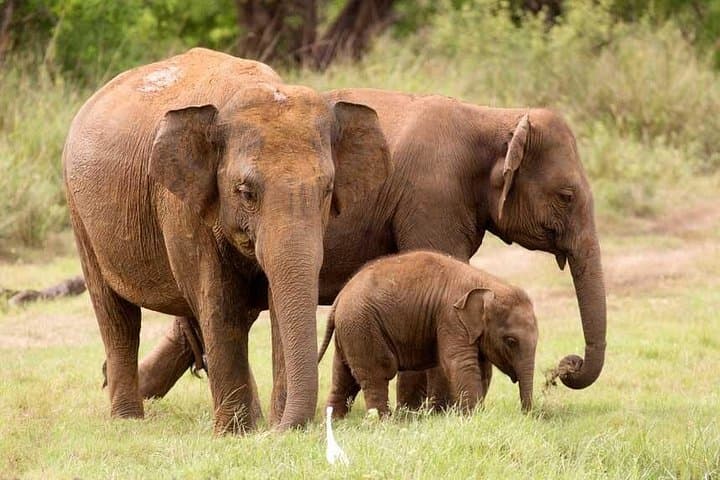
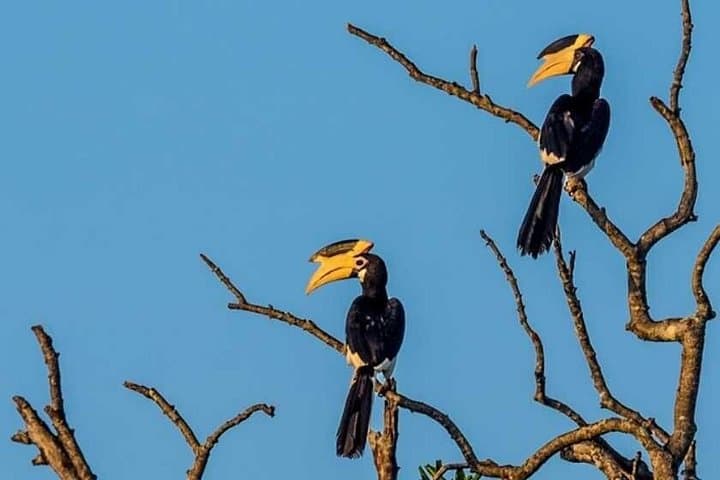
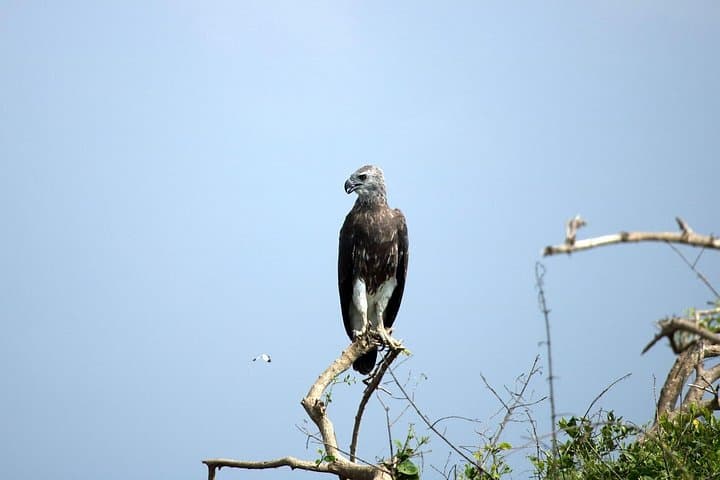
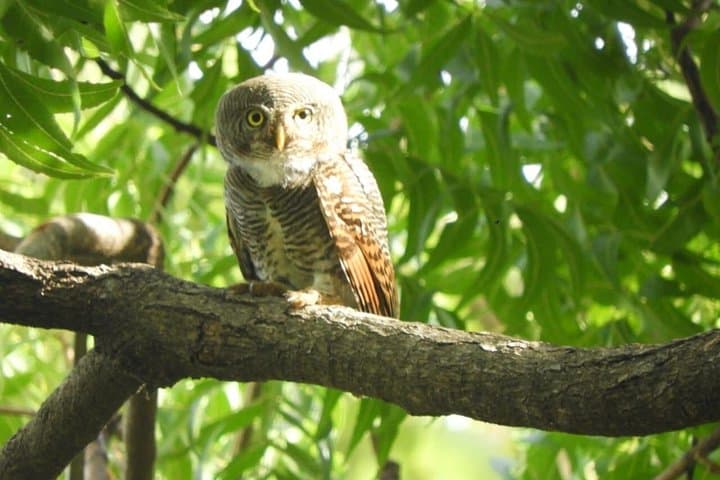
Low light spills across shallow lagoons as a 4x4 eases down a salt-scarred track; spoonbills wheel like punctuation marks over reed beds while the jeep bumps toward a flamingo flock. In Bundala the marshes feel alive—water channels that dare you to lean closer, mud flats that shift with tide and wind, and flocks that reorganize like a slow, breathing organism.
Low light spills across shallow lagoons as a 4x4 eases down a salt-scarred track; spoonbills wheel like punctuation marks over reed beds while the jeep bumps toward a flamingo flock. In Bundala the marshes feel alive—water channels that dare you to lean closer, mud flats that shift with tide and wind, and flocks that reorganize like a slow, breathing organism.
Designated a Ramsar wetland and declared a national park in 1993 (it was a sanctuary from 1969), Bundala protects a mosaic of saline lagoons, scrub, and coastal dunes where roughly 200 bird species congregate—over 50 migratory species among them. Geologically the park is coastal alluvium and lagoonal marsh, shaped by monsoons and tidal exchange; culturally, nearby fishing villages and salt pans have coexisted with this wildlife for generations.
The standard jeep safari runs about three hours in an open multi-terrain vehicle, with a local driver-tracker guiding views to concentrated feeding sites, butterfly patches, and mammal sightings. Practicalities: bring binoculars and a telephoto, wear neutral tones and sturdy shoes for short walks, and carry sun protection and insect repellent. Mornings and late afternoons offer the best light and bird activity; midday brings heat and quieter ponds.
Respect breeding zones—many species nest here May–July—and stay on established tracks to limit disturbance. The trip is low-exertion but high-reward: expect up-close avian spectacles, variable light, and a compact education in wetland ecology that changes with every tide.