THE ADVENTURE COLLECTIVE® · Independent discovery and booking for outdoor travel

Travel from Bentota to Bundala National Park on a guided jeep safari through Ramsar-listed wetlands to see hundreds of migratory and resident bird species. Practical route notes, wildlife highlights, and what to pack for a half-day wetland safari.
Travel from Bentota to Bundala National Park on a guided jeep safari through Ramsar-listed wetlands to see hundreds of migratory and resident bird species. Practical route notes, wildlife highlights, and what to pack for a half-day wetland safari.
Wet grass shivers as the safari jeep eases onto a salt-marsh track; flock calls cut across the heat and wheel ruts. From Bentota’s coast you’ll cross rice paddies and coastal scrub to reach Bundala, a Ramsar-listed wetland where tidal lagoons and brackish pools rearrange the skyline with each shifting wind.
Verified experiences and guided adventures in the surrounding area.
Operated by Lakpura LLC · Bundala, Southern Province
Wet grass shivers as the safari jeep eases onto a salt-marsh track; flock calls cut across the heat and wheel ruts. From Bentota’s coast you’ll cross rice paddies and coastal scrub to reach Bundala, a Ramsar-listed wetland where tidal lagoons and brackish pools rearrange the skyline with each shifting wind.
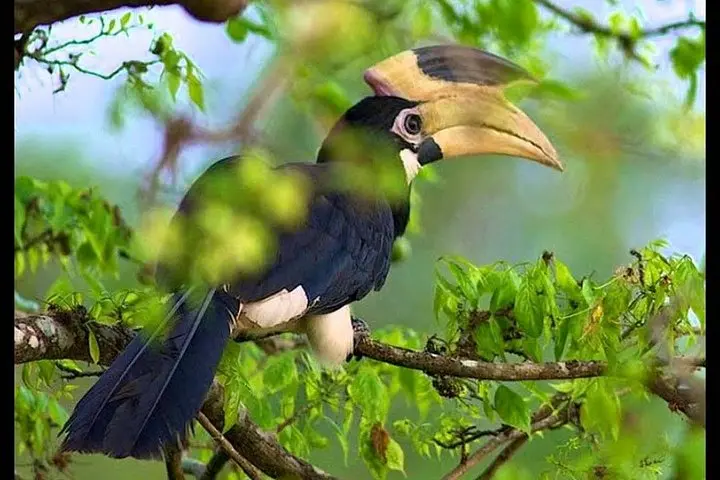
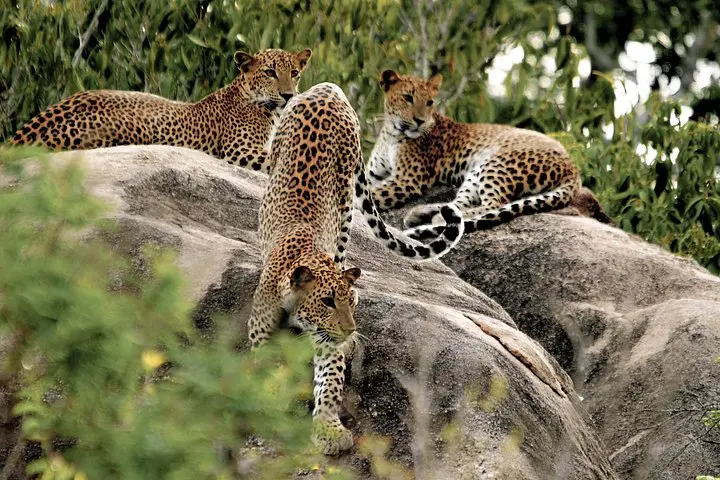
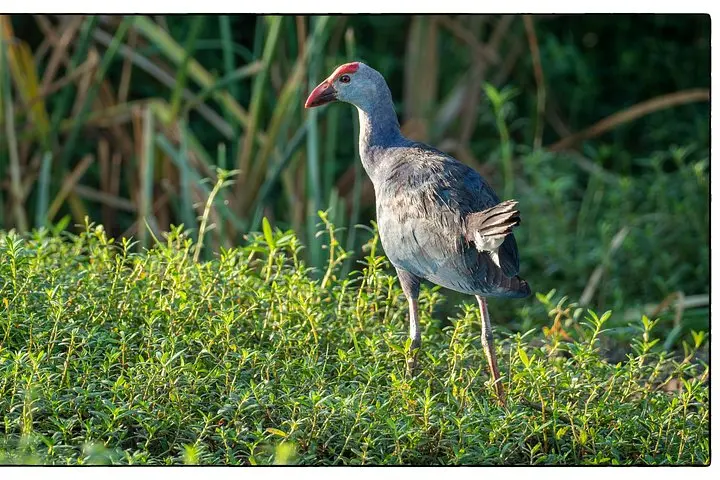
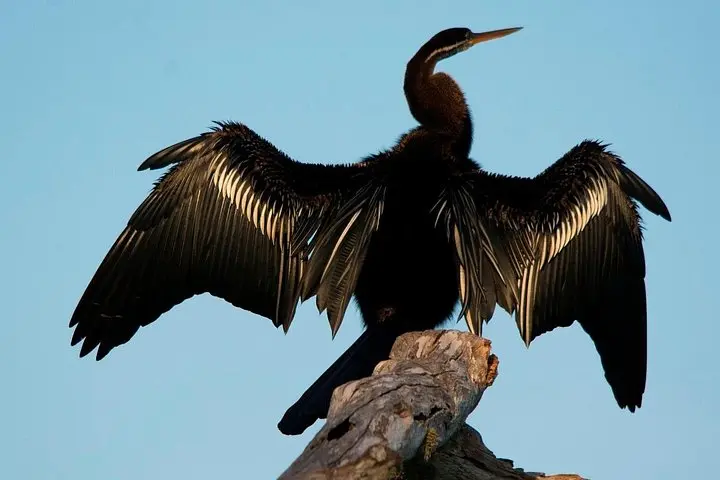
Bundala’s low-lying plains formed where ancient rivers met the sea, leaving a patchwork of saline flats, mangroves and freshwater tanks that attract winter migrants from Siberia and Central Asia. The park’s recorded fauna — over 200 bird species, a rich butterfly roster and small mammals — reflects that mix of coastal and inland ecology. Local guides often point out how salt pans and traditional fishing practices shaped the surrounding villages; birding here is as much cultural as natural.
Expect a 3-hour guided jeep drive through shallow marsh tracks and observation hides; binoculars and a camera do the heavy lifting. Birds often feed in open flats at dawn and late afternoon, but many species linger mid-day along sheltered channels. The ride itself is easy on the legs but requires patience and steady footing when you step out onto muddy shorelines.
Practical notes: carry sun protection, water, and insect repellent; wear quick-dry clothes and comfortable shoes that can handle mud. Respect viewing distances, keep noise low, and follow your guide’s directions when approaching nests or feeding flocks. For photographers, the best light is early and late — the birds will reward the wait.
The guided jeep safari through Bundala is typically about 3 hours, included within an 8-hour door-to-door excursion from Bentota.
Many migrants are most abundant in the northern winter months; however, Bundala hosts resident species and seasonal concentrations — peak migration often occurs May–July and November–February for different groups.
Yes — the route is on a jeep with short, guided stops; however, those with mobility or severe back issues should take care during vehicle entry/exit and on muddy shorelines.
This specific tour includes a safari jeep and guide; confirm whether park entrance fees are covered when booking as policies can vary.
Lakpura LLC operates guided outdoor trips and adventures with an emphasis on safety, stewardship, and memorable experiences.
Wet grass shivers as the safari jeep eases onto a salt-marsh track; flock calls cut across the heat and wheel ruts. From Bentota’s coast you’ll cross rice paddies and coastal scrub to reach Bundala, a Ramsar-listed wetland where tidal lagoons and brackish pools rearrange the skyline with each shifting wind.
Wet grass shivers as the safari jeep eases onto a salt-marsh track; flock calls cut across the heat and wheel ruts. From Bentota’s coast you’ll cross rice paddies and coastal scrub to reach Bundala, a Ramsar-listed wetland where tidal lagoons and brackish pools rearrange the skyline with each shifting wind.
Bundala’s low-lying plains formed where ancient rivers met the sea, leaving a patchwork of saline flats, mangroves and freshwater tanks that attract winter migrants from Siberia and Central Asia. The park’s recorded fauna — over 200 bird species, a rich butterfly roster and small mammals — reflects that mix of coastal and inland ecology. Local guides often point out how salt pans and traditional fishing practices shaped the surrounding villages; birding here is as much cultural as natural.
Expect a 3-hour guided jeep drive through shallow marsh tracks and observation hides; binoculars and a camera do the heavy lifting. Birds often feed in open flats at dawn and late afternoon, but many species linger mid-day along sheltered channels. The ride itself is easy on the legs but requires patience and steady footing when you step out onto muddy shorelines.
Practical notes: carry sun protection, water, and insect repellent; wear quick-dry clothes and comfortable shoes that can handle mud. Respect viewing distances, keep noise low, and follow your guide’s directions when approaching nests or feeding flocks. For photographers, the best light is early and late — the birds will reward the wait.