THE ADVENTURE COLLECTIVE® · Independent discovery and booking for outdoor travel

A private jeep threads saline lagoons and scrub at Bundala National Park, where migratory birds and a small herd of elephants share coastal wetlands. This concise guide covers what to expect, when to go, and how to prepare for a 3–4 hour safari.
A private jeep threads saline lagoons and scrub at Bundala National Park, where migratory birds and a small herd of elephants share coastal wetlands. This concise guide covers what to expect, when to go, and how to prepare for a 3–4 hour safari.
Low tide polishes the salt flats and a band of cranes dots the horizon as the jeep eases over rutted track—Bundala announces itself in sound and light rather than billboard. Early morning here means heady bird calls and a low sun that drags color across lagoons; afternoons bring a different cast, with heat pushing animals toward shade and water.
Verified experiences and guided adventures in the surrounding area.
Operated by Train Journeys in Sri Lanka · Tissamaharama, Southern Province
Low tide polishes the salt flats and a band of cranes dots the horizon as the jeep eases over rutted track—Bundala announces itself in sound and light rather than billboard. Early morning here means heady bird calls and a low sun that drags color across lagoons; afternoons bring a different cast, with heat pushing animals toward shade and water.
Bundala sits on Sri Lanka’s southern coast, an internationally recognized wintering ground and Ramsar wetland where saline lagoons, sand dunes, and thorn scrub meet a patchwork of tidal flats. Geologically it’s coastal sediment and lagoon margin—ideal feeding habitat for shorebirds and waders. Local fishing communities and seasonal turtle nesting add cultural and ecological layers: visitors may glimpse community salt pans and, between October and January, turtle tracks on the beach at night.
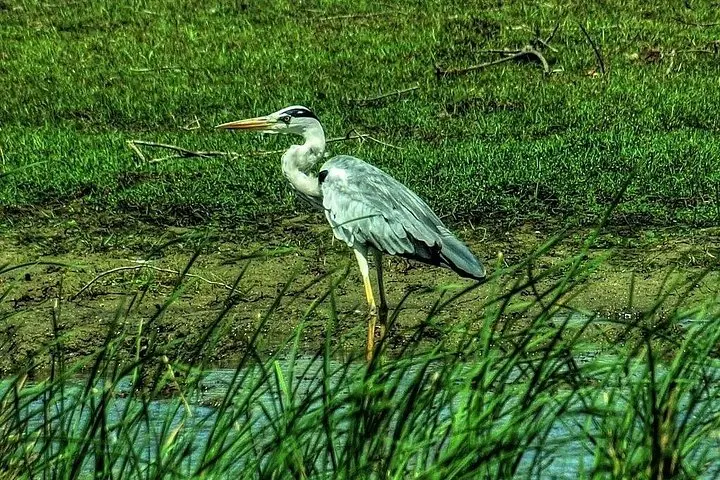
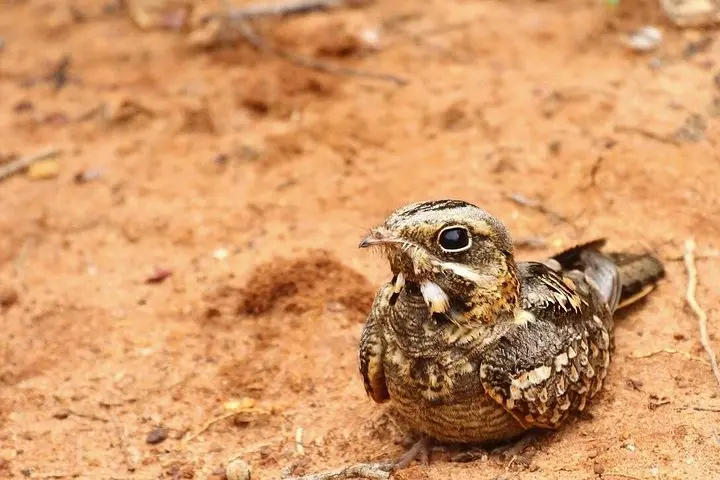
The experience is straightforward: a private jeep safari (about 3–4 hours) from Tissamaharama or Hambantota, with a driver-guide who reads waterlines and bird flocks. Expect greater flamingos, sandpipers, curlews, greenshanks, and a modest population of elephants; crocodiles loaf in mangrove channels and spotted deer graze in dry scrub.
Practical notes: tours run early morning or late afternoon to maximize wildlife activity; park entrance and service fees are usually included, as is bottled water. Wear neutral, breathable clothing, bring binoculars or a zoom lens, and keep noise low—animals respond to patience rather than speed. The terrain is jeep tracks and short, uneven walks; travelers with serious spinal, cardiac, or pregnancy concerns should avoid the bumpy ride. Respect marked boundaries, and leave nesting sites undisturbed—Bundala’s value depends on quiet observers as much as on guides.
The standard private jeep safari runs about 3–4 hours; pickup and drop-off from Tissamaharama are usually included.
Expect migratory and resident shorebirds (greater flamingo, sandpipers, plovers), crocodiles, spotted deer, wild boar, and occasionally small herds of elephants; turtle nesting occurs on nearby beaches October–January.
September–March is peak for migratory birds, with mornings and late afternoons offering the most activity.
Children can join but infants must sit on laps; the tour is not recommended for travelers with serious spinal, cardiac conditions or for pregnant visitors due to bumpy terrain.
Train Journeys in Sri Lanka operates guided outdoor trips and adventures with an emphasis on safety, stewardship, and memorable experiences.
Low tide polishes the salt flats and a band of cranes dots the horizon as the jeep eases over rutted track—Bundala announces itself in sound and light rather than billboard. Early morning here means heady bird calls and a low sun that drags color across lagoons; afternoons bring a different cast, with heat pushing animals toward shade and water.
Low tide polishes the salt flats and a band of cranes dots the horizon as the jeep eases over rutted track—Bundala announces itself in sound and light rather than billboard. Early morning here means heady bird calls and a low sun that drags color across lagoons; afternoons bring a different cast, with heat pushing animals toward shade and water.
Bundala sits on Sri Lanka’s southern coast, an internationally recognized wintering ground and Ramsar wetland where saline lagoons, sand dunes, and thorn scrub meet a patchwork of tidal flats. Geologically it’s coastal sediment and lagoon margin—ideal feeding habitat for shorebirds and waders. Local fishing communities and seasonal turtle nesting add cultural and ecological layers: visitors may glimpse community salt pans and, between October and January, turtle tracks on the beach at night.
The experience is straightforward: a private jeep safari (about 3–4 hours) from Tissamaharama or Hambantota, with a driver-guide who reads waterlines and bird flocks. Expect greater flamingos, sandpipers, curlews, greenshanks, and a modest population of elephants; crocodiles loaf in mangrove channels and spotted deer graze in dry scrub.
Practical notes: tours run early morning or late afternoon to maximize wildlife activity; park entrance and service fees are usually included, as is bottled water. Wear neutral, breathable clothing, bring binoculars or a zoom lens, and keep noise low—animals respond to patience rather than speed. The terrain is jeep tracks and short, uneven walks; travelers with serious spinal, cardiac, or pregnancy concerns should avoid the bumpy ride. Respect marked boundaries, and leave nesting sites undisturbed—Bundala’s value depends on quiet observers as much as on guides.