THE ADVENTURE COLLECTIVE® · Independent discovery and booking for outdoor travel

Dine at Trattoria Gatto Nero on Burano, then cross to Murano to watch centuries-old glassblowing up close. This private, 3–4 hour experience pairs iconic island cuisine with a live furnace demonstration.
Dine at Trattoria Gatto Nero on Burano, then cross to Murano to watch centuries-old glassblowing up close. This private, 3–4 hour experience pairs iconic island cuisine with a live furnace demonstration.
The row of painted houses on Burano slips into view like a set of stage lights reflected on the lagoon; gulls call, boats bob, and the air carries the bright, briny scent of frying fish. Guests arrive to a low-slung restaurant where a table for the island’s signature fish risotto waits, while the day’s plan moves across water—by vaporetto or private launch—to Murano to watch molten glass yield to human hands.
Verified experiences and guided adventures in the surrounding area.
Operated by The Venice Boat · Venice, Veneto
The row of painted houses on Burano slips into view like a set of stage lights reflected on the lagoon; gulls call, boats bob, and the air carries the bright, briny scent of frying fish. Guests arrive to a low-slung restaurant where a table for the island’s signature fish risotto waits, while the day’s plan moves across water—by vaporetto or private launch—to Murano to watch molten glass yield to human hands.
Burano’s color coding began as a practical way for fishermen to find home in fog; the island’s lace tradition layered craft onto community. Murano’s furnace history runs deeper: since the 13th century, glassmakers were moved off Venice proper to contain fire risks and protect secrets. The lagoon itself—shallow, silty, and ever-changing—dictates rhythms: tides shape landing spots and the narrow canals frame everyday life.
Travelers should expect roughly 3–4 hours of relaxed pacing: a long sit over risotto and wine at Trattoria Gatto Nero, then a 60–90 minute glassblowing demonstration in a working furnace with opportunities to shop for authentic Murano pieces. Paths are cobbled; surfaces can be uneven and occasionally damp. Bring sun protection for summer, a warm layer in cooler months, and sensible shoes for short walks and boarding boats.
Practical notes: bookable as a private tour with hotel pickup on request, mobile tickets accepted, and the experience is physically easy but not suitable for those with serious back problems. Cash is useful for small purchases, but many shops take cards. Arrive hungry and curious—the islands give craft and cuisine equal stage time.
The itinerary typically includes boat transfers as part of the private tour; confirm pickup or meeting-point details with the operator when booking.
Expect about 60–90 minutes at a working furnace including observation of production and time to browse the showroom.
Infants can join but cobbles and piers make strollers impractical in parts; operators note infants should sit on laps during sections with limited seating.
Local restaurants are used to requests—notify the operator in advance to arrange vegetarian or allergy-friendly options where possible.
The Venice Boat operates guided outdoor trips and adventures with an emphasis on safety, stewardship, and memorable experiences.
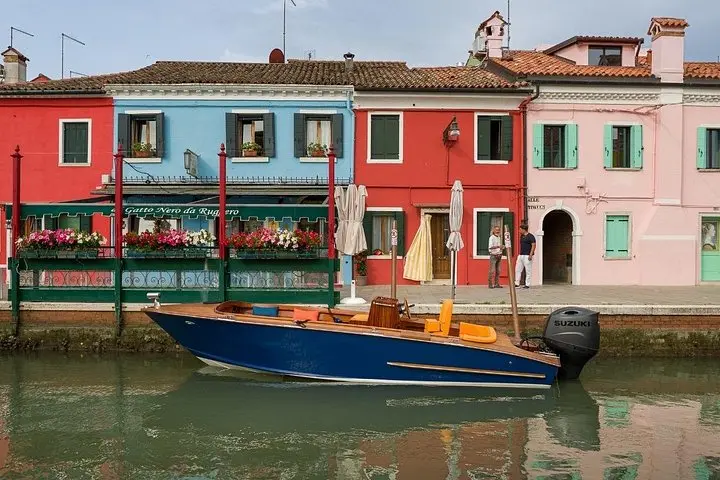
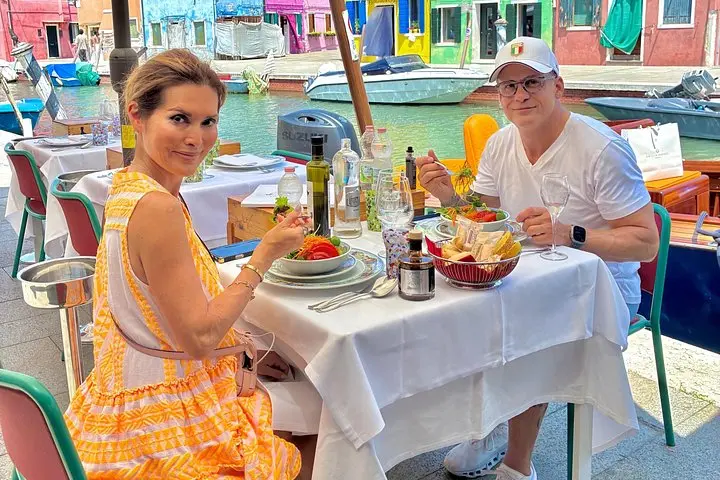
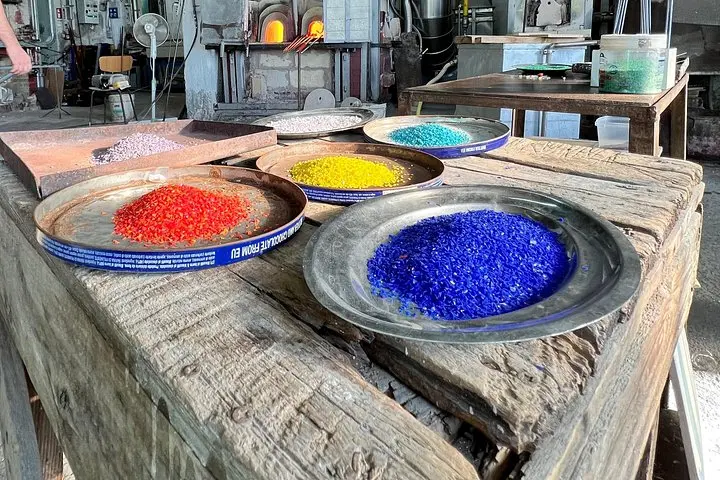
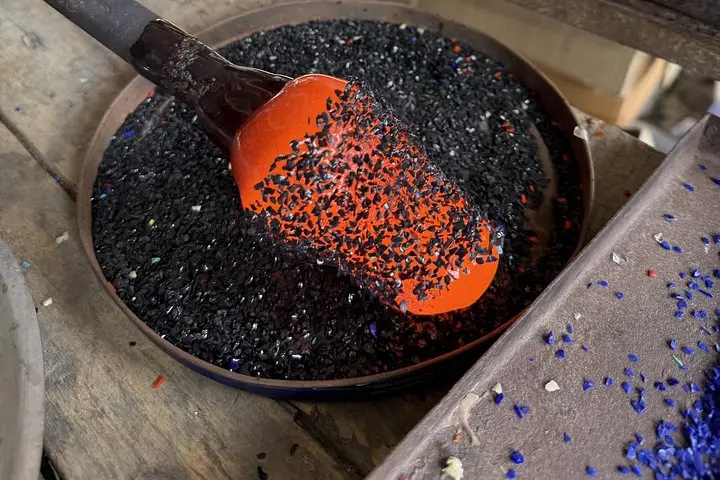
The row of painted houses on Burano slips into view like a set of stage lights reflected on the lagoon; gulls call, boats bob, and the air carries the bright, briny scent of frying fish. Guests arrive to a low-slung restaurant where a table for the island’s signature fish risotto waits, while the day’s plan moves across water—by vaporetto or private launch—to Murano to watch molten glass yield to human hands.
The row of painted houses on Burano slips into view like a set of stage lights reflected on the lagoon; gulls call, boats bob, and the air carries the bright, briny scent of frying fish. Guests arrive to a low-slung restaurant where a table for the island’s signature fish risotto waits, while the day’s plan moves across water—by vaporetto or private launch—to Murano to watch molten glass yield to human hands.
Burano’s color coding began as a practical way for fishermen to find home in fog; the island’s lace tradition layered craft onto community. Murano’s furnace history runs deeper: since the 13th century, glassmakers were moved off Venice proper to contain fire risks and protect secrets. The lagoon itself—shallow, silty, and ever-changing—dictates rhythms: tides shape landing spots and the narrow canals frame everyday life.
Travelers should expect roughly 3–4 hours of relaxed pacing: a long sit over risotto and wine at Trattoria Gatto Nero, then a 60–90 minute glassblowing demonstration in a working furnace with opportunities to shop for authentic Murano pieces. Paths are cobbled; surfaces can be uneven and occasionally damp. Bring sun protection for summer, a warm layer in cooler months, and sensible shoes for short walks and boarding boats.
Practical notes: bookable as a private tour with hotel pickup on request, mobile tickets accepted, and the experience is physically easy but not suitable for those with serious back problems. Cash is useful for small purchases, but many shops take cards. Arrive hungry and curious—the islands give craft and cuisine equal stage time.