THE ADVENTURE COLLECTIVE® · Independent discovery and booking for outdoor travel

Step onto the causeway and meet Dubai’s icon: a private guided visit to Burj Al Arab with hotel pickup, admission to selected areas, and panoramic views of the Arabian Gulf. Learn the architecture and cultural context behind one of the world’s most photographed hotels.
Step onto the causeway and meet Dubai’s icon: a private guided visit to Burj Al Arab with hotel pickup, admission to selected areas, and panoramic views of the Arabian Gulf. Learn the architecture and cultural context behind one of the world’s most photographed hotels.
The car eases over the causeway and the Burj Al Arab rises like a white sail against the Arabian Gulf—an engineered peak that pushes the city’s skyline seaward. Glass and gold glint; the sea nudges the island and invites a view that makes cameras come alive.
Verified experiences and guided adventures in the surrounding area.
Operated by Muhammad Rafiq Faisal · Dubai, Dubai
The car eases over the causeway and the Burj Al Arab rises like a white sail against the Arabian Gulf—an engineered peak that pushes the city’s skyline seaward. Glass and gold glint; the sea nudges the island and invites a view that makes cameras come alive.
Built on an artificial island and completed in 1999, the Burj Al Arab was designed to signal a new era for Dubai: bold engineering, hospitality on a large scale, and a deliberate visual identity. Its yacht-inspired form and 321 meters of height are less about height than about spectacle—an architectural gambit that helped position Dubai as a global luxury destination.
Visitors guided through selected public areas encounter the vast atrium, marble-lined corridors, and panoramic lookout points over Jumeirah Beach and the Gulf. Nearby, low-rise Jumeirah neighborhoods and Madinat Jumeirah offer contrast: traditional souks, wind-towered architecture, and quieter coastal walks. Seabirds wheel above; on rare days dolphins crest the water beyond the breakwater.
Practically: this private, 2–3 hour tour includes pickup and drop-off, admission to designated areas, and a guide to explain design details and cultural context. Dress conservatively for an upscale hotel; bring photo ID and allow time for security checks. The site is wheelchair-accessible but check access to specific restaurants or terraces in advance. Aim for morning or late afternoon light for photos and cooler temperatures. Hydrate in summer; book at least a day ahead when possible. The tour balances a short, high-impact encounter with one of Dubai’s most photographed landmarks—efficient, informative, and unmistakably theatrical.
Admission covers selected public areas and viewpoints rather than full hotel access or guest-only facilities; your guide will confirm which areas are included.
Yes—infants and small children are generally allowed and the itinerary notes stroller accessibility; bring infant seats if needed for transfers.
The hotel and the tour note wheelchair accessibility for public spaces, but access to some restaurants or clubs may be limited—advise the operator of mobility needs when booking.
Full refund available if canceled at least 24 hours before the scheduled time; check your booking confirmation for specifics.
Muhammad Rafiq Faisal operates guided outdoor trips and adventures with an emphasis on safety, stewardship, and memorable experiences.
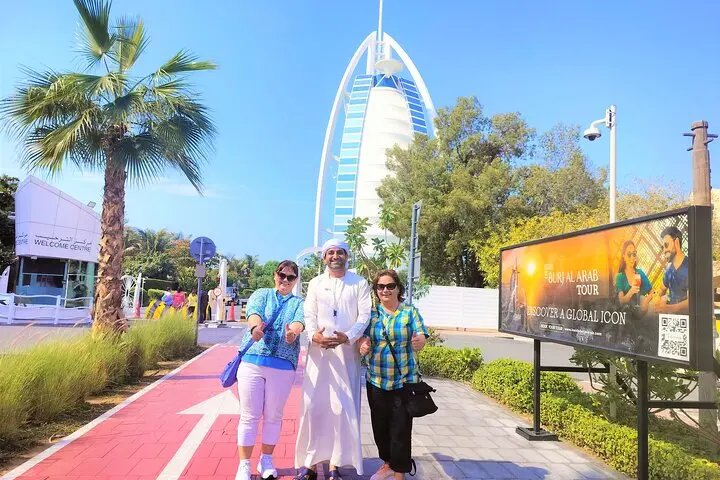
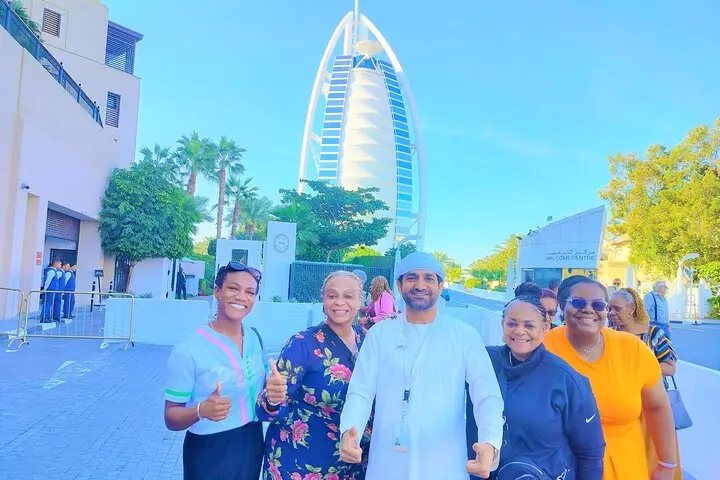
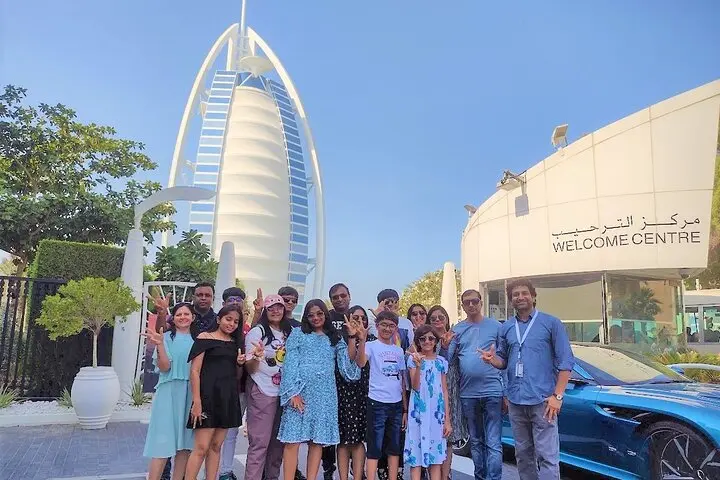
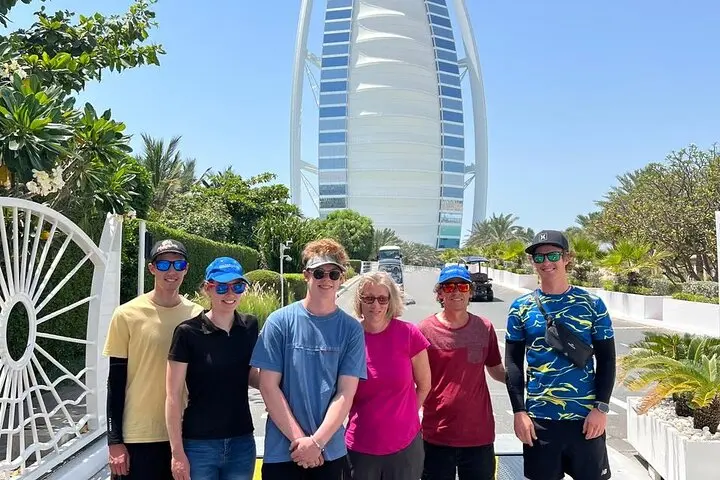
The car eases over the causeway and the Burj Al Arab rises like a white sail against the Arabian Gulf—an engineered peak that pushes the city’s skyline seaward. Glass and gold glint; the sea nudges the island and invites a view that makes cameras come alive.
The car eases over the causeway and the Burj Al Arab rises like a white sail against the Arabian Gulf—an engineered peak that pushes the city’s skyline seaward. Glass and gold glint; the sea nudges the island and invites a view that makes cameras come alive.
Built on an artificial island and completed in 1999, the Burj Al Arab was designed to signal a new era for Dubai: bold engineering, hospitality on a large scale, and a deliberate visual identity. Its yacht-inspired form and 321 meters of height are less about height than about spectacle—an architectural gambit that helped position Dubai as a global luxury destination.
Visitors guided through selected public areas encounter the vast atrium, marble-lined corridors, and panoramic lookout points over Jumeirah Beach and the Gulf. Nearby, low-rise Jumeirah neighborhoods and Madinat Jumeirah offer contrast: traditional souks, wind-towered architecture, and quieter coastal walks. Seabirds wheel above; on rare days dolphins crest the water beyond the breakwater.
Practically: this private, 2–3 hour tour includes pickup and drop-off, admission to designated areas, and a guide to explain design details and cultural context. Dress conservatively for an upscale hotel; bring photo ID and allow time for security checks. The site is wheelchair-accessible but check access to specific restaurants or terraces in advance. Aim for morning or late afternoon light for photos and cooler temperatures. Hydrate in summer; book at least a day ahead when possible. The tour balances a short, high-impact encounter with one of Dubai’s most photographed landmarks—efficient, informative, and unmistakably theatrical.