THE ADVENTURE COLLECTIVE® · Independent discovery and booking for outdoor travel

Ride the high-speed elevator to levels 124 and 125 for expansive views of Dubai’s skyline, sea, and desert. This guide covers what to expect, brief history, and practical tips—timed tickets, accessibility, and best times to visit.
Ride the high-speed elevator to levels 124 and 125 for expansive views of Dubai’s skyline, sea, and desert. This guide covers what to expect, brief history, and practical tips—timed tickets, accessibility, and best times to visit.
Step into a glass capsule and feel the building hurry beneath you—an elevator surge that deposits you onto concrete and skyline. From levels 124 and 125 of the Burj Khalifa, Dubai unfolds: the pale sweep of desert giving way to glittering high-rises, the Arabian Gulf spreading to the horizon and the patterned pools of the Dubai Fountain below.
Verified experiences and guided adventures in the surrounding area.
Operated by Hosting Holidayz Travel & Tourism · Dubai, Dubai
Step into a glass capsule and feel the building hurry beneath you—an elevator surge that deposits you onto concrete and skyline. From levels 124 and 125 of the Burj Khalifa, Dubai unfolds: the pale sweep of desert giving way to glittering high-rises, the Arabian Gulf spreading to the horizon and the patterned pools of the Dubai Fountain below.
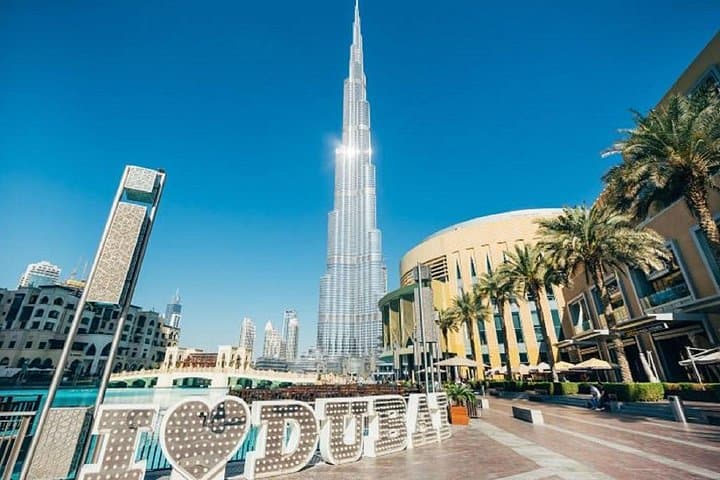
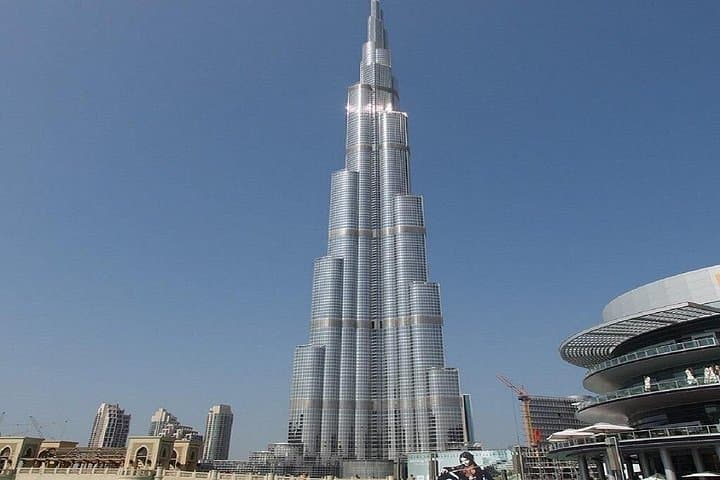
The Burj Khalifa, completed in 2010 and standing 828 meters tall, was conceived as the centerpiece of Downtown Dubai during a phase of rapid urban development. The tower’s tapered silhouette is an exercise in modern engineering—high-strength concrete and steel arranged to manage wind and weight—designed by Skidmore, Owings & Merrill. Culturally, the observation decks have become a ritual stop for visitors seeking an aerial orientation to Dubai’s mix of traditional markets and modern ambition.
Practically, a visit is compact and visitor-focused. Fast-track tickets shorten queue time and timed entries manage crowding; security checks are standard. The decks offer indoor galleries and an outdoor terrace where wind and sun become immediate companions—bring a layer. Peak light is at sunset when the city’s geometry fills with contrast, but morning visits give clearer air for long-distance views.
Accessibility is good: elevators are swift and routes wheelchair-friendly. Expect guarded camera areas, clear signage in English and Arabic, and staff ready to answer questions. For planning: reserve a specific time slot, arrive 20–30 minutes early for security, and use the Dubai Metro or Dubai Mall pedestrian links to avoid traffic congestion.
Yes—tickets are for a specific entry window; mobile e‑tickets are accepted so printing isn’t necessary.
Yes—the Burj Khalifa provides elevator access and wheelchair-friendly routes; notify staff if you need assistance.
Re-entry policies vary; generally, tickets are for one continuous visit during your time slot—ask staff if you need to step out.
Infants can ride in strollers and typically sit on laps; some bookings may require age details—check ticket terms when booking.
Hosting Holidayz Travel & Tourism operates guided outdoor trips and adventures with an emphasis on safety, stewardship, and memorable experiences.
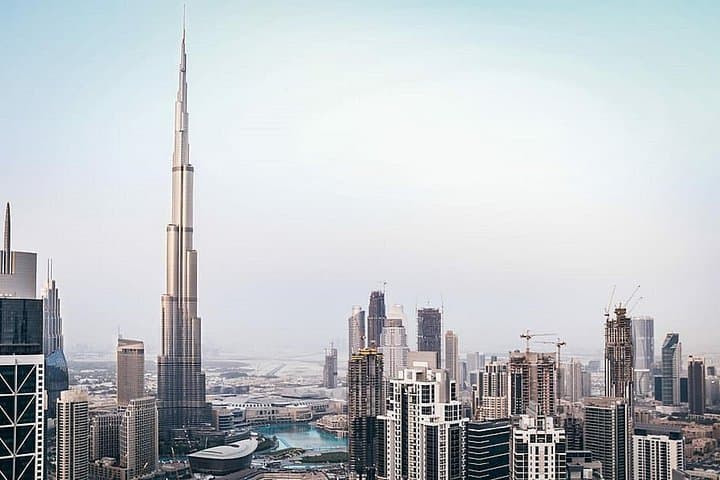
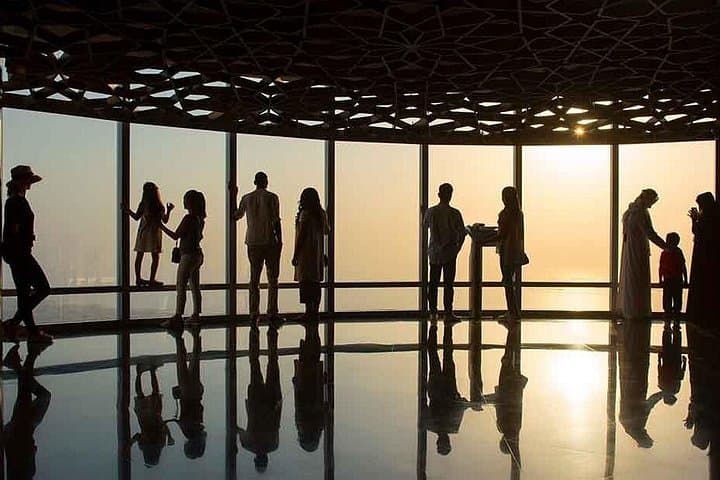
Step into a glass capsule and feel the building hurry beneath you—an elevator surge that deposits you onto concrete and skyline. From levels 124 and 125 of the Burj Khalifa, Dubai unfolds: the pale sweep of desert giving way to glittering high-rises, the Arabian Gulf spreading to the horizon and the patterned pools of the Dubai Fountain below.
Step into a glass capsule and feel the building hurry beneath you—an elevator surge that deposits you onto concrete and skyline. From levels 124 and 125 of the Burj Khalifa, Dubai unfolds: the pale sweep of desert giving way to glittering high-rises, the Arabian Gulf spreading to the horizon and the patterned pools of the Dubai Fountain below.
The Burj Khalifa, completed in 2010 and standing 828 meters tall, was conceived as the centerpiece of Downtown Dubai during a phase of rapid urban development. The tower’s tapered silhouette is an exercise in modern engineering—high-strength concrete and steel arranged to manage wind and weight—designed by Skidmore, Owings & Merrill. Culturally, the observation decks have become a ritual stop for visitors seeking an aerial orientation to Dubai’s mix of traditional markets and modern ambition.
Practically, a visit is compact and visitor-focused. Fast-track tickets shorten queue time and timed entries manage crowding; security checks are standard. The decks offer indoor galleries and an outdoor terrace where wind and sun become immediate companions—bring a layer. Peak light is at sunset when the city’s geometry fills with contrast, but morning visits give clearer air for long-distance views.
Accessibility is good: elevators are swift and routes wheelchair-friendly. Expect guarded camera areas, clear signage in English and Arabic, and staff ready to answer questions. For planning: reserve a specific time slot, arrive 20–30 minutes early for security, and use the Dubai Metro or Dubai Mall pedestrian links to avoid traffic congestion.