THE ADVENTURE COLLECTIVE® · Independent discovery and booking for outdoor travel

Step into Busan’s Jagalchi Market for a four-plus hour seafood immersion: touch live squid, learn to make clam soup, and finish with a seaside dinner. This guided walk turns market chaos into a hands-on lesson in Korean seafood culture.
Step into Busan’s Jagalchi Market for a four-plus hour seafood immersion: touch live squid, learn to make clam soup, and finish with a seaside dinner. This guided walk turns market chaos into a hands-on lesson in Korean seafood culture.
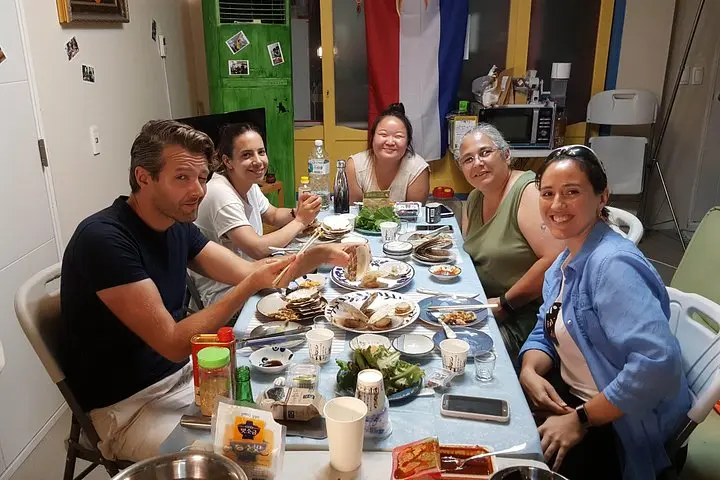
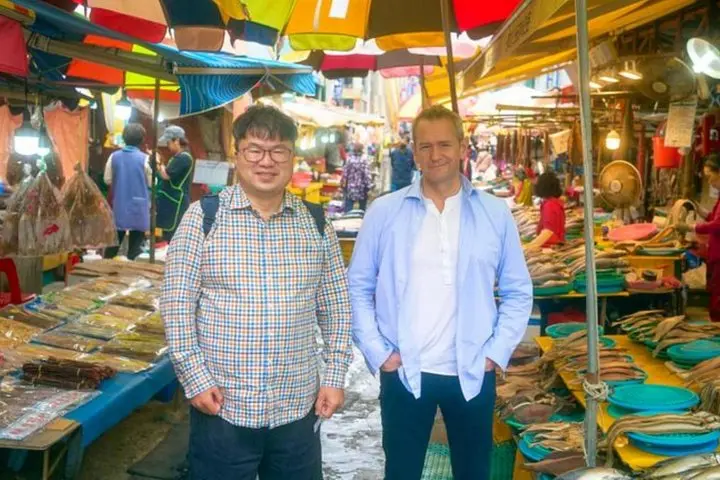
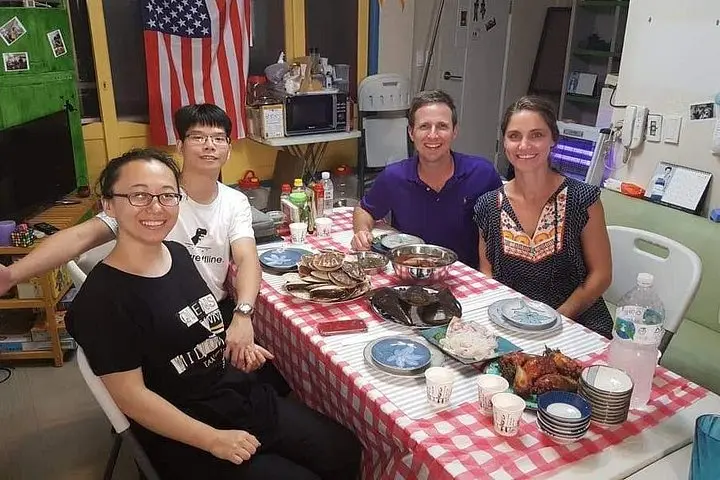
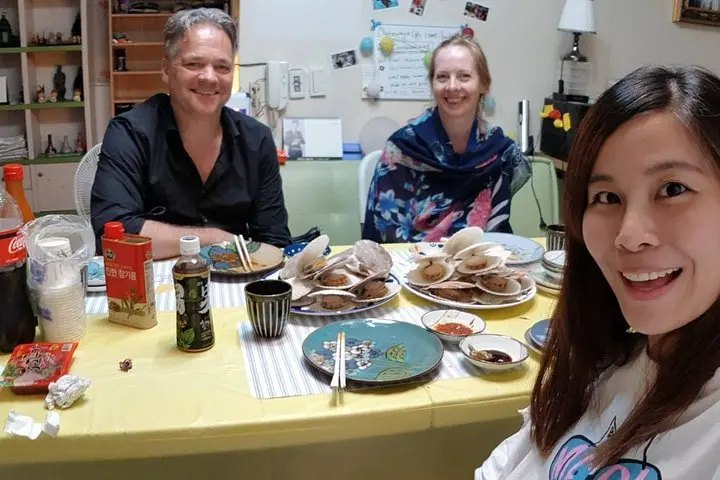
Morning light slashes across Busan Harbor and the market wakes in a clamorous rhythm: vendors calling, knives tapping, gulls daring you to steal a scallop. A Jagalchi seafood tour sets you into that motion—part street-level anthropology, part culinary lab—where you’ll touch kelp-fringed baskets, handle slippery octopus, and watch a vendor slit open a scallop to steam it fresh.
Verified experiences and guided adventures in the surrounding area.
Operated by Dorawayo experience activity · Busan, Busan
Morning light slashes across Busan Harbor and the market wakes in a clamorous rhythm: vendors calling, knives tapping, gulls daring you to steal a scallop. A Jagalchi seafood tour sets you into that motion—part street-level anthropology, part culinary lab—where you’ll touch kelp-fringed baskets, handle slippery octopus, and watch a vendor slit open a scallop to steam it fresh.
Jagalchi grew out of postwar need and coastal trade, evolving into South Korea’s largest fish market. The coastline here is young in geological terms—steep granite headlands and reclaimed piers—and the city’s culture is braided with maritime livelihoods: yellowtail and rockfish appear on winter menus, and oysters mark the colder months.
Expect a mix of sensory learning and practical demos: a guide explains how to choose flounder for sashimi, shows you how clam soup balances briny stock with soy-based seasoning, and helps translate price-per-kilo into a reasonable cooked-restaurant tab. Photos are abundant—colorful fish on ice, haggle scenes, and the nearby seaside park.
Practical edge: the tour is primarily on paved market aisles and nearby waterfront paths, suitable for most fitness levels but involving standing and stepping over crates. Bring cash for small purchases, wear shoes that grip wet surfaces, and time your visit for morning auctions if you want the most action. If you’re visiting in winter, prioritize warm layers—this is a coast that bites. Respect vendors’ space when sampling and consider choosing seasonal, locally caught species to support sustainable fishing.
Yes—families commonly join; keep young children close around wet floors and sharp tools, and watch portions of raw seafood.
Yes—guides often help negotiate purchases and arrange cooking at nearby restaurants for a fee.
Inform the operator at booking—most guides can adjust tasting options but shellfish-heavy menus are central to the experience.
This tour is sold under an all-sales-final policy; confirm availability and personal plans before booking as refunds aren’t provided.
Dorawayo experience activity operates guided outdoor trips and adventures with an emphasis on safety, stewardship, and memorable experiences.
Morning light slashes across Busan Harbor and the market wakes in a clamorous rhythm: vendors calling, knives tapping, gulls daring you to steal a scallop. A Jagalchi seafood tour sets you into that motion—part street-level anthropology, part culinary lab—where you’ll touch kelp-fringed baskets, handle slippery octopus, and watch a vendor slit open a scallop to steam it fresh.
Morning light slashes across Busan Harbor and the market wakes in a clamorous rhythm: vendors calling, knives tapping, gulls daring you to steal a scallop. A Jagalchi seafood tour sets you into that motion—part street-level anthropology, part culinary lab—where you’ll touch kelp-fringed baskets, handle slippery octopus, and watch a vendor slit open a scallop to steam it fresh.
Jagalchi grew out of postwar need and coastal trade, evolving into South Korea’s largest fish market. The coastline here is young in geological terms—steep granite headlands and reclaimed piers—and the city’s culture is braided with maritime livelihoods: yellowtail and rockfish appear on winter menus, and oysters mark the colder months.
Expect a mix of sensory learning and practical demos: a guide explains how to choose flounder for sashimi, shows you how clam soup balances briny stock with soy-based seasoning, and helps translate price-per-kilo into a reasonable cooked-restaurant tab. Photos are abundant—colorful fish on ice, haggle scenes, and the nearby seaside park.
Practical edge: the tour is primarily on paved market aisles and nearby waterfront paths, suitable for most fitness levels but involving standing and stepping over crates. Bring cash for small purchases, wear shoes that grip wet surfaces, and time your visit for morning auctions if you want the most action. If you’re visiting in winter, prioritize warm layers—this is a coast that bites. Respect vendors’ space when sampling and consider choosing seasonal, locally caught species to support sustainable fishing.