THE ADVENTURE COLLECTIVE® · Independent discovery and booking for outdoor travel

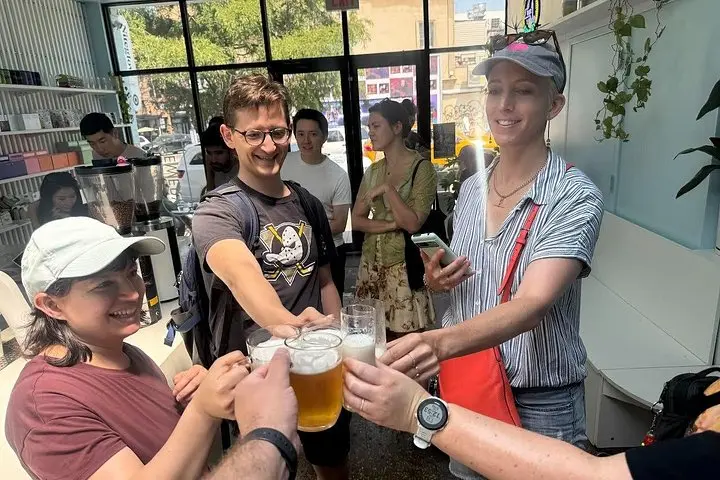
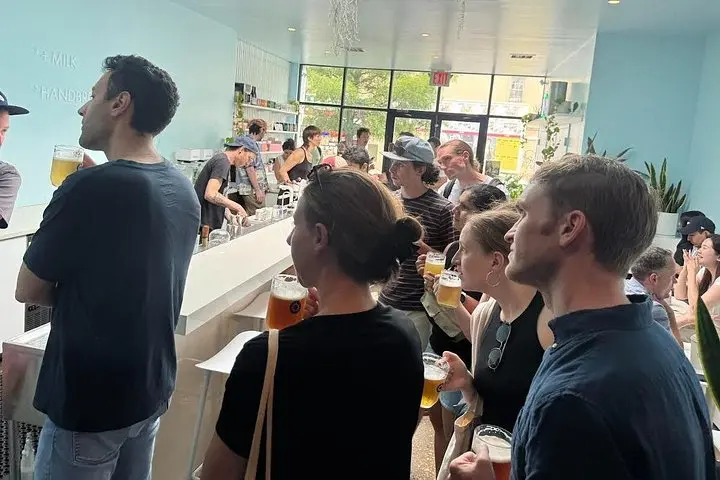
Explore Bushwick’s brewing past and present on a three-hour walking tour that pairs historical storytelling with 2–3 brewery tastings. Walk through industrial streets, admire street art, and learn how German immigrants shaped Brooklyn’s beer culture.
Explore Bushwick’s brewing past and present on a three-hour walking tour that pairs historical storytelling with 2–3 brewery tastings. Walk through industrial streets, admire street art, and learn how German immigrants shaped Brooklyn’s beer culture.
You step off the subway and the street answers—L train rumble, spray-painted murals leaning into the sidewalk, and the faint citrus-hop aroma that hints at a cellar nearby. This three-hour walking tour threads through Bushwick’s grid, moving from the brick shells of 19th-century brewery sites to the repurposed warehouses that house today’s small-batch brewers.
Verified experiences and guided adventures in the surrounding area.
Operated by Right Foot Tours · Brooklyn, New York
You step off the subway and the street answers—L train rumble, spray-painted murals leaning into the sidewalk, and the faint citrus-hop aroma that hints at a cellar nearby. This three-hour walking tour threads through Bushwick’s grid, moving from the brick shells of 19th-century brewery sites to the repurposed warehouses that house today’s small-batch brewers.
Bushwick’s brewing story begins with German immigrants in the 1800s who built lager houses, social halls, and bottling works along the Brooklyn waterfront and local streets. Geologically the area sits on the Harbor Hill terminal moraine and low-lying marshland that was filled and industrialized in the 19th century—land cheap enough for breweries and factories to cluster. That industrial past shaped the neighborhood’s blocky masonry and high ceilings, now prized by craft brewers.
Along the way you’ll encounter large-scale murals, old church facades, and former social clubs—markers of the neighborhood’s shifting cultural layers. The modern breweries showcase reclaimed wood bars, exposed steel, and experimental taps; expect 2–3 tasting stops where pours are small but informative.
Practicalities: the route is roughly 1.5–2 miles on flat, paved sidewalks with minimal elevation gain; allow three hours to move at an easy pace and sample responsibly. Bring government ID, comfortable walking shoes, a refillable water bottle, and a sense of curiosity. Public transit (L train) bookends the tour, and most breweries accept card payments. Plan to visit earlier in the day for shorter lines and to limit noise in residential blocks.
The tour includes visits and guided commentary; specific tasting quantities or costs vary by brewery—check the operator’s listing for inclusion details.
Sidewalks are mostly even and flat, but some taprooms may have steps; contact the operator ahead to confirm accessible entry at each brewery.
Children may join the walking portions but breweries enforce age restrictions for tasting—minors are typically allowed in public areas but cannot be served alcohol.
This shared tour caps at around 12 people, which keeps the group intimate and easy to move between stops.
Right Foot Tours operates guided outdoor trips and adventures with an emphasis on safety, stewardship, and memorable experiences.


You step off the subway and the street answers—L train rumble, spray-painted murals leaning into the sidewalk, and the faint citrus-hop aroma that hints at a cellar nearby. This three-hour walking tour threads through Bushwick’s grid, moving from the brick shells of 19th-century brewery sites to the repurposed warehouses that house today’s small-batch brewers.
You step off the subway and the street answers—L train rumble, spray-painted murals leaning into the sidewalk, and the faint citrus-hop aroma that hints at a cellar nearby. This three-hour walking tour threads through Bushwick’s grid, moving from the brick shells of 19th-century brewery sites to the repurposed warehouses that house today’s small-batch brewers.
Bushwick’s brewing story begins with German immigrants in the 1800s who built lager houses, social halls, and bottling works along the Brooklyn waterfront and local streets. Geologically the area sits on the Harbor Hill terminal moraine and low-lying marshland that was filled and industrialized in the 19th century—land cheap enough for breweries and factories to cluster. That industrial past shaped the neighborhood’s blocky masonry and high ceilings, now prized by craft brewers.
Along the way you’ll encounter large-scale murals, old church facades, and former social clubs—markers of the neighborhood’s shifting cultural layers. The modern breweries showcase reclaimed wood bars, exposed steel, and experimental taps; expect 2–3 tasting stops where pours are small but informative.
Practicalities: the route is roughly 1.5–2 miles on flat, paved sidewalks with minimal elevation gain; allow three hours to move at an easy pace and sample responsibly. Bring government ID, comfortable walking shoes, a refillable water bottle, and a sense of curiosity. Public transit (L train) bookends the tour, and most breweries accept card payments. Plan to visit earlier in the day for shorter lines and to limit noise in residential blocks.